
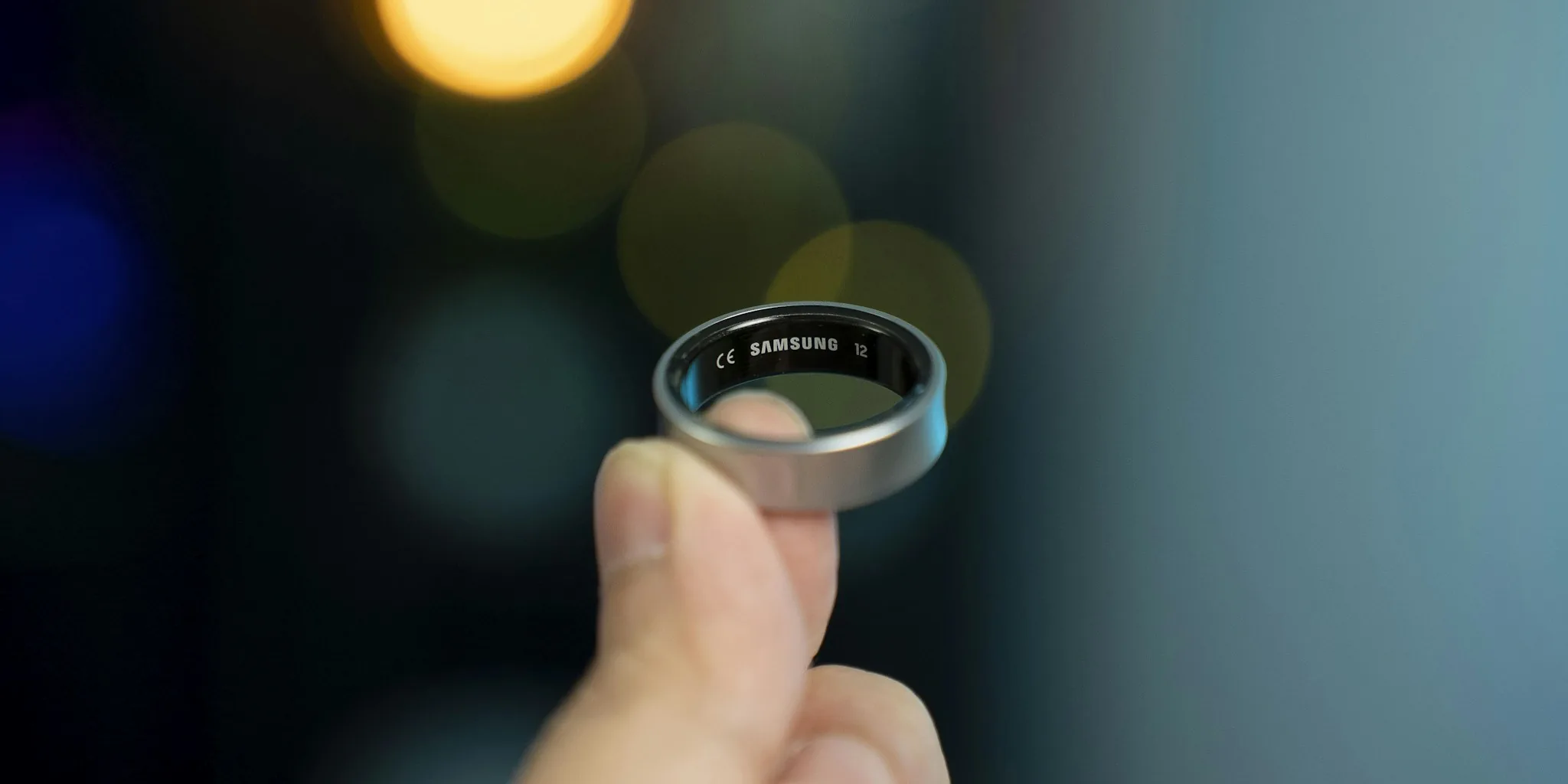

A new wearable device is promising to change how people monitor their heart health. The Signal Ring, a $399 smart ring created by startup Vital Signals, claims to track blood pressure continuously without needing an inflatable cuff or any calibration process. The device is now available for preorder, with shipments expected to begin in October.
This marks a significant shift in the wearables and smartphones & accessories market, where fitness tracking has become increasingly sophisticated. Unlike traditional blood pressure monitors that require a cuff around the arm or wrist, the Signal Ring is designed to work directly from your finger. According to the manufacturer, it operates four to five times faster than conventional cuff-based trackers and meets international accuracy standards.
Why This Matters for Your Health
The timing is significant given current health statistics. According to the Centers for Disease Control and Prevention, nearly half of all American adults have high blood pressure, a condition that increases the risk of stroke and heart disease. For people managing hypertension, having a convenient way to monitor readings throughout the day could help them spot potential issues earlier and make better treatment decisions.
If the Signal Ring performs as promised, it could offer a less disruptive alternative to traditional monitoring methods. Continuous data collection might reveal patterns that a single daily reading would miss, such as how your blood pressure responds to stress, medication, or sleep patterns. This type of detailed information could help patients and doctors work together more effectively on treatment plans.
Experts Raise Important Questions

Despite the company’s claims, cardiovascular researchers have expressed caution about the new device. Dr. Lindsey Rosman, an assistant professor of medicine in cardiology at the University of North Carolina School of Medicine, points out several potential limitations. The Signal Ring likely uses light-based sensors to measure blood flow, a technology that has known challenges in real-world conditions.
These challenges include motion artifacts that can distort readings, variations in skin tone that affect light absorption, and physical factors like cold fingers or poor circulation that change blood flow independent of actual blood pressure. Even the fit of the ring and positioning of your finger can introduce variability. Additionally, irregular heartbeats can distort the data the sensors collect.
The bigger concern for medical professionals is the lack of public testing data. Vital Signals conducted a clinical study with 451 participants, but the full results have not been published for independent review. Health experts want to see rigorous, transparent testing before recommending the device to patients. This is especially important because inaccurate readings could cause unnecessary worry or provide false reassurance about someone’s health status.
How It Compares to Current Options
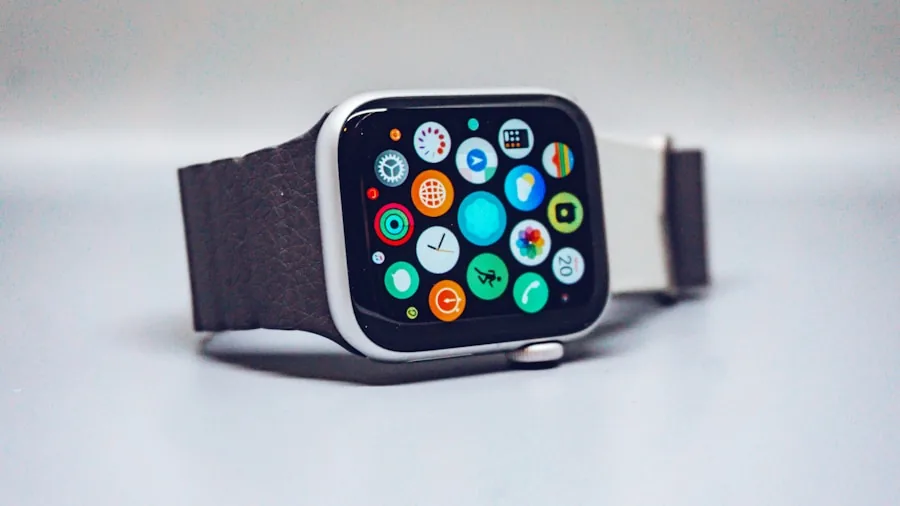
The wearables market already includes several devices designed to track cardiovascular health. The Oura Ring and Apple Watch, for example, use biometric data to detect potential changes in heart health that might indicate hypertension, but they don’t claim to replace traditional blood pressure monitors. Other devices like the Omron HeartGuide include an actual inflatable cuff built into a wristband, maintaining the traditional measurement method in a more wearable form.
The Signal Ring’s claim to provide continuous, cuffless blood pressure readings without any calibration would genuinely be unique if validated. For consumers considering smartphone accessories and wearable devices, this represents an intriguing new category of health-focused technology.
What Buyers Should Know Before Purchasing
If you’re thinking about preordering a Signal Ring, there are several important facts to consider. First, the device has not been reviewed or cleared by the FDA, similar to other smartwatches and rings currently on the market. The $399 price point is a one-time purchase with no ongoing subscription fees, which is straightforward compared to some wearable services.
Medical professionals strongly advise discussing blood pressure monitoring with your doctor before adopting any new device. Your physician can help you understand whether this tool fits into your overall health management strategy and how to interpret the data it provides. This conversation is especially important for anyone currently taking blood pressure medication or managing hypertension.
The device pairs with a companion app for displaying readings and tracking trends over time. For those interested in a comprehensive approach to health monitoring, many modern smartphones run apps that integrate with various health trackers, making it easier to consolidate your wellness data in one place.
Looking Ahead
The Signal Ring represents the ongoing evolution of consumer health technology. Whether it lives up to its ambitious claims remains to be seen. Initial shipments are scheduled for October, and real-world user experiences will eventually provide more clarity about its accuracy and reliability.
For now, the smartest approach is to wait for independent testing results and expert reviews before making a purchase decision. Blood pressure monitoring is serious health business, and choosing the right tool matters. If you’re shopping for health-focused devices for yourself or older adults in your family, combining proven monitoring tools with modern, user-friendly technology remains the best strategy until new products are fully validated.





Write Your Review
No reviews yet. Be the first to share your experience!