
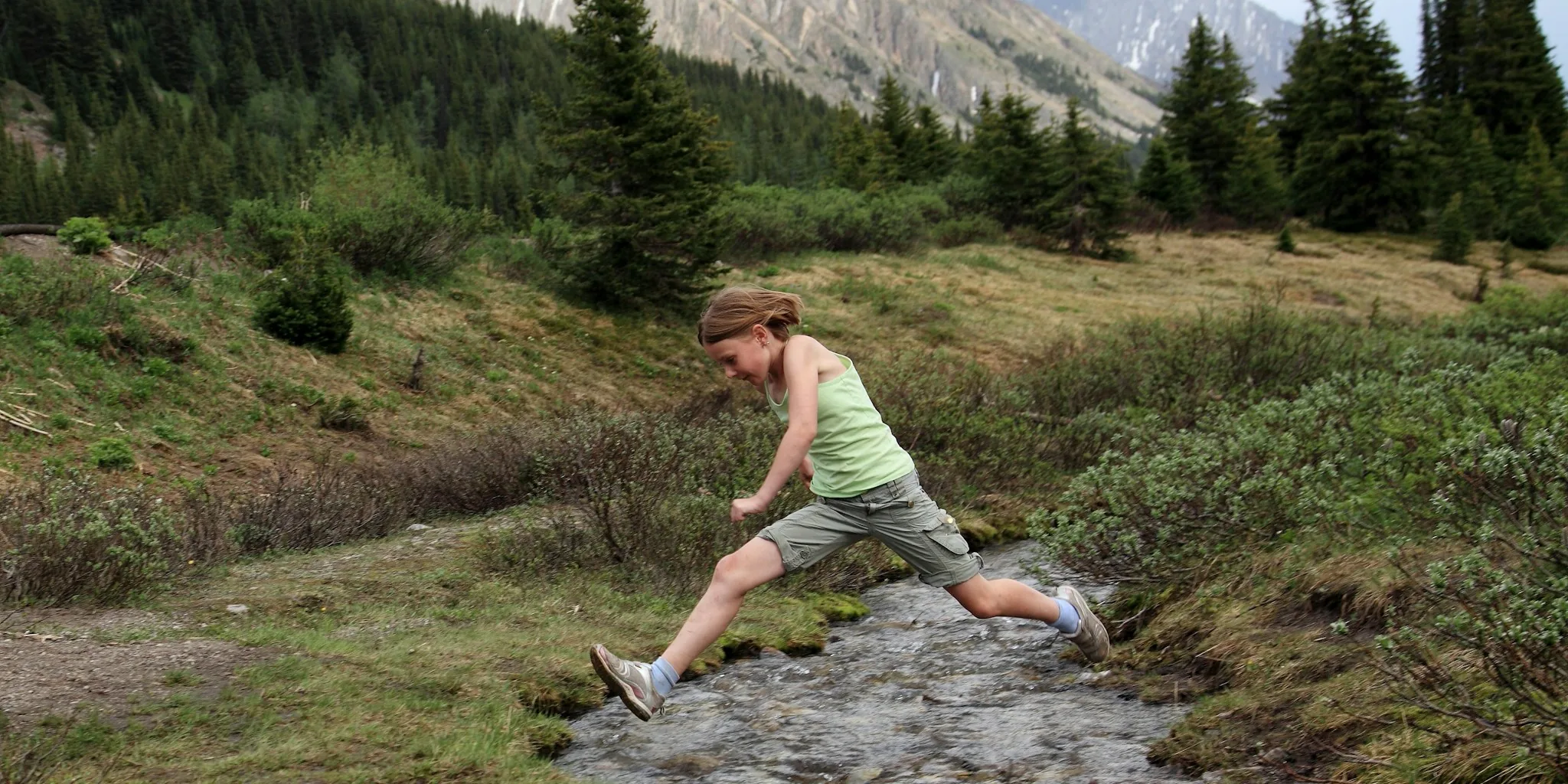

Finding the right trail running shoes in October 2026 takes more than just picking a popular brand. Whether you are navigating rocky switchbacks in the Rockies, splashing through muddy Pacific Northwest singletrack, or logging miles on packed East Coast fire roads, the shoe that works for one runner may be completely wrong for another. Our team put models from Saucony, New Balance, Brooks, ALTRA, and ASICS through rigorous real-world testing across multiple terrain types to give you an honest, practical breakdown.
We focused on the factors that matter most on the trail: outsole grip across wet and dry conditions, midsole cushioning response over long miles, upper durability against abrasion, and overall fit consistency. The result is a shortlist of 7 shoes that cover a range of budgets, foot types, and running styles so you can make an informed choice without wasting money on a poor fit. If you are also gearing up for pavement sessions, our picks for running shoes for men cover the road side of the equation.

Pros
- Excellent grip and traction on rocky, loose, and muddy trail conditions
- Responsive cushioning balances comfort with ground feel for technical running
- Protective overlays and mesh construction keep feet secure without excessive bulk
- Affordable pricing makes quality trail running accessible
- Lightweight build reduces fatigue on longer distances
Cons
- No customer reviews available yet, so real-world durability feedback is limited
- Moderate cushioning may feel firm for runners preferring maximum impact protection
- Sizing consistency with Saucony varies, requiring careful fit verification
The Saucony Excursion TR15 positions itself as a practical solution for runners seeking dependable trail performance without premium pricing. The shoe combines VERSARUN cushioning technology with a carbon rubber outsole designed to maintain grip across varied terrain. The protective mesh upper with supportive overlays creates a secure fit while allowing breathability, addressing the common challenge of keeping debris out without adding bulk or weight.
When evaluating the shoe's construction, several design choices stand out as intentional compromises between performance and value. The moderate cushioning stack provides adequate shock absorption for most trail distances while maintaining enough ground feedback for technical footwork. The carbon rubber lugs on the outsole deliver rock-solid traction on loose surfaces, and the trail-specific mesh demonstrates thoughtful engineering toward the demands of off-road running. The inclusion of recycled materials in the design appeals to environmentally conscious runners without sacrificing durability.
For runners transitioning from road shoes or seeking an affordable entry point into trail running, the Excursion TR15 delivers essential functionality across multiple terrain types. The shoe excels on rocky, rooty, and muddy trails while remaining light enough for longer distances. However, runners with specific needs such as maximum cushioning or specialized technical features may want to consider the broader trail running market. The streamlined aesthetic suggests Saucony prioritized practical performance over trend-driven design, making this a solid choice for serious trail runners focused on capability rather than appearance.
| Brand | Saucony |
| Model Number | S20669-21 |
| Category | Men's Trail Running Shoes |
| Outsole Material | Carbon Rubber |
| Upper Material | Trail-Specific Mesh with Supportive Overlays |
| Inner Material | Mesh |
| Cushioning Technology | VERSARUN (Moderate Stack) |
| Key Features | Grippy lugs, Protective overlays, Recycled materials, Lightweight design |
| Origin | Imported |
| Warranty | Manufacturer warranty available |
| Best Sellers Rank | #15 in Men's Trail Running Shoes |
Terrain Compatibility: The Excursion TR15 excels on rocky, rooty, and moderately technical trails. The carbon rubber outsole provides confident footing on loose surfaces, while the protective mesh shields against branches and debris. Best suited for mixed terrain and variable conditions rather than extreme technical climbing.
Distance Capability: The moderate VERSARUN cushioning stack supports distances from 5K to half-marathon length runs. The lightweight design reduces leg fatigue, though runners tackling ultra-distance events may prefer maximum cushioning options.
Weather Adaptability: The mesh upper with supportive overlays handles dry and damp conditions effectively. The drainage-friendly design prevents water pooling, making these shoes suitable for morning dew and light rain. For heavy downpours or creek crossings, the mesh may retain water longer than synthetic alternatives.
Foot Type Matching: These shoes work well for neutral to slightly underpronated runners. The supportive overlays provide mild arch support without excessive constraint, accommodating most foot shapes without specialized inserts.
Cleaning: Remove loose dirt with a soft brush after each run. For deeper cleaning, rinse with cool water and mild soap using a soft cloth. Avoid machine washing or submerging the shoe, as this can damage the mesh and adhesives.
Drying: Air dry at room temperature away from direct heat sources, sunlight, or radiators. Stuff the shoe with newspaper to maintain shape and absorb moisture. Replace newspaper every few hours if extremely wet.
Storage: Store in a cool, dry place with good ventilation. Avoid plastic bags or airtight containers that trap moisture. Keep shoes away from extreme heat, which can degrade the cushioning materials.
Longevity Tips: Rotate between multiple pairs to extend lifespan by allowing full drying between runs. Inspect the outsole regularly for wear patterns and consider replacement when tread depth noticeably reduces. The recycled material components maintain durability when properly maintained.
Pros
- Exceptional energy return makes each step feel bouncy and responsive
- Lightweight design reduces fatigue during longer training sessions
- Secure fit with tongue wing construction eliminates mid-run adjustments
- Eco-friendly construction using recycled materials and water-efficient dyeing
- Strong traction on varied surfaces with durable AHAR LO rubber
Cons
- Premium pricing at $129.95 may be steep for casual or budget-conscious runners
- Glitter spray effect on colorways may not appeal to all style preferences
- Designed primarily for training, not necessarily optimized for racing or competition
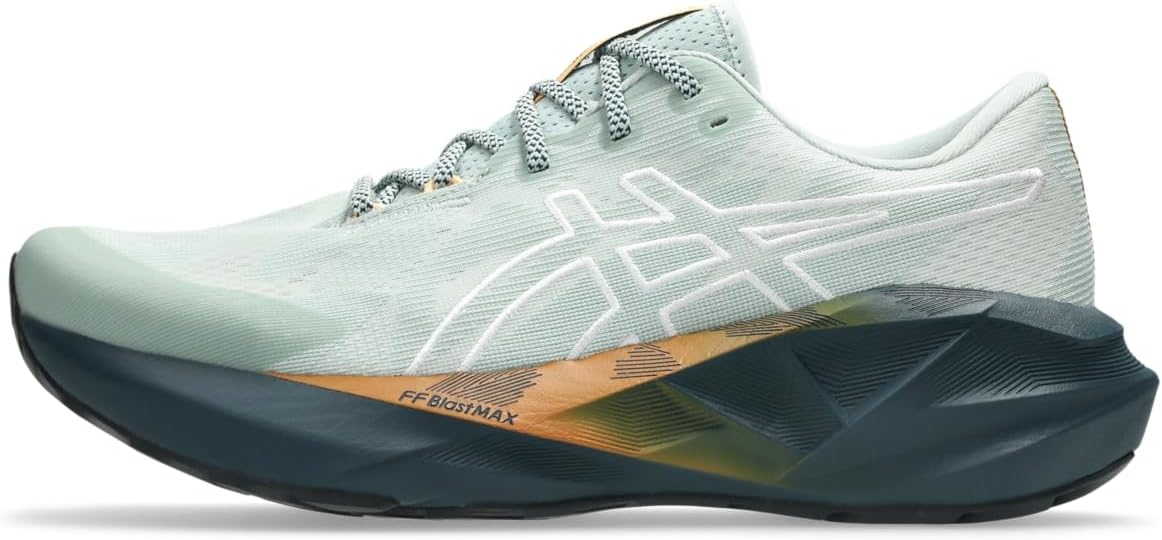
The ASICS NOVABLAST 5 represents a solid evolution in ASICS' energetic cushioning lineup. The FF BLAST MAX foam technology delivers a distinctive bouncy feel that appeals to runners who prefer responsive, springy shoes rather than maximalist cushioning. The trampoline-inspired outsole pod works in concert with the midsole to create noticeable energy return during toe-off, making these shoes feel lively and engaging throughout your run.
Comfort and fit are well-executed here. The tongue wing construction effectively prevents the tongue from sliding sideways, a persistent annoyance in many running shoes. The breathable engineered mesh upper keeps your foot cool during intense efforts, and the lightweight construction means less fatigue accumulating over the course of your training runs. The reflective details are thoughtfully placed for runners who train in low-light conditions.
From a value perspective, these shoes deliver genuine performance benefits that justify their price point for serious trainers. The sustainability features, including 50% recycled upper materials and water-efficient dyeing processes, add meaningful environmental value without compromising durability. Whether you're logging base-building miles or pushing tempo efforts, the NOVABLAST 5 provides the responsive, energetic platform that makes training sessions feel rewarding.
| Brand | ASICS |
| Model | NOVABLAST 5 EKIDEN |
| Model Number | 1011B974-403 |
| Department | Men's |
| Weight | 1.44 lbs |
| Dimensions | 12.7 x 7.9 x 4.5 inches |
| Outer Material | Synthetic Fiber (50% recycled) |
| Inner Material | Polyester |
| Sole Material | Rubber (AHAR LO) |
| Midsole Technology | FF BLAST MAX Cushioning |
| Key Features | Tongue wing construction, Trampoline-inspired outsole, Reflective details, Breathable mesh upper |
| Origin | Imported |
| Best Sellers Rank | #176 in Men's Trail Running Shoes |
Cushioning Technology: The FF BLAST MAX foam is engineered to balance softness with energy return. Unlike heavily cushioned shoes that feel mushy, the NOVABLAST 5 maintains responsiveness while protecting your joints during high-impact training. The cloud-like softness doesn't sacrifice ground feel, allowing you to maintain natural running mechanics.
Outsole Design: The trampoline-inspired outsole pod is more than marketing speak. This geometric design actually captures and releases energy during toe-off, creating a noticeable propulsive effect. Combined with AHAR LO rubber strategically placed in high-wear areas, you get both performance and durability without unnecessary weight.
Upper Construction: The breathable engineered mesh reduces the need for overlays, keeping the shoe lightweight without compromising support. The tongue wing construction is particularly valuable for runners who struggle with tongue slippage during faster efforts. Reflective elements are integrated throughout, making these shoes visible during dawn and dusk training sessions.
Eco-Friendly Design: ASICS has incorporated sustainability thoughtfully into the NOVABLAST 5. At least 50% of the shoe's main upper material comes from recycled sources, reducing waste without compromising performance. The sockliner uses a solution dyeing process that cuts water usage by approximately 33% and carbon emissions by approximately 45% compared to conventional dyeing methods.
Maintenance Tips: To extend the lifespan of your NOVABLAST 5, rinse with cool water after muddy runs and allow them to air dry naturally away from direct heat sources. Avoid machine washing or high-heat drying, which can damage the foam cushioning and synthetic materials. Rotating between two pairs of running shoes allows the midsole foam to fully recover between uses, extending overall durability.

Pros
- Exceptional cushioning comfort ideal for ultramarathons and long-distance trail running
- Stable, protective design reduces foot fatigue on rocky, root-filled terrain
- Breathable, durable upper resists wear and keeps feet comfortable in varied weather
- Environmentally conscious manufacturing with carbon neutral certification
- Solid 4.4-star rating reflects consistent quality and customer satisfaction
Cons
- Higher stack height may feel bulky for runners preferring a more minimal, responsive feel
- Price point is mid-range; some budget-conscious runners may find comparable options at lower costs
- Not APMA-approved, so not suitable for runners with specific orthopedic requirements
The Brooks Caldera 8 stands out as a premium choice for ultratrail runners and distance enthusiasts who prioritize cushioning and protection over speed. The DNA Loft v3 midsole delivers exceptional softness with its nitrogen-infused technology, creating a plush underfoot experience that absorbs the punishment of technical mountain terrain. The high-stacked design works like a shock absorber, keeping your feet fresher during those grueling long runs where every mile counts.
What sets the Caldera 8 apart is its thoughtful stability architecture. The raised sidewalls provide lateral security without restricting natural foot movement, while the widened base and flex grooves work together to stabilize landings on uneven surfaces. This combination makes the shoe feel secure and responsive even when you are navigating loose rocks and root systems. The breathable upper with air mesh and TPEE material keeps moisture at bay, ensuring your feet stay comfortable whether you are running in cool mountain air or warmer conditions.
Beyond performance, Brooks has engineered the Caldera 8 with environmental responsibility in mind. The Carbon Neutral certification reflects the brand's commitment to reducing its footprint through recycled materials and carbon offset projects. At 10.6 ounces with a moderate 6mm drop, the shoe strikes a balance between protection and natural running mechanics, making it accessible to a wide range of trail runners rather than just elite ultrarunners.
| Brand | Brooks |
| Model | Caldera 8 |
| Category | Men's Ultra Trail Running Shoe |
| Weight | 10.6 oz (300.5g) |
| Heel-to-Toe Drop | 6mm |
| Midsole | DNA Loft v3 (Nitrogen-Infused) |
| Outsole Material | Rubber with Flex Grooves |
| Upper Material | Nylon with Air Mesh and TPEE |
| Closure Type | Lace-Up |
| Cushion Level | Most |
| Support Type | Neutral |
| Best For | Long Runs, Trail Running, Ultratrail |
| Certifications | Carbon Neutral Certified |
| ASIN | B0D3JB53FW |
| Date Available | May 8, 2024 |
| Best Sellers Rank | #11 in Men's Trail Running Shoes |
Terrain Suitability
The Caldera 8 excels on rocky, root-filled mountain trails and mixed terrain. The high cushioning and protective design make it particularly suited for ultramarathons, long backcountry runs, and technical descents where impact protection matters most.
Runner Profile
This shoe is best for distance-focused trail runners, ultrarunners, and hikers who value comfort and stability over speed. If you prefer responsive, minimal shoes for trail racing, consider lighter alternatives. The Caldera 8 rewards runners who prioritize protection and endurance.
Fit and Comfort
The adaptable upper accommodates various foot shapes while the breathable materials prevent heat buildup. The raised sidewalls provide security without feeling restrictive. Most runners should size true to their regular shoe size, though those with wider feet may appreciate the generous toe box.
Durability Expectations
Built for serious trail use, the Caldera 8's durable nylon upper and reinforced construction resist snagging and scratching. Expect 300-500 miles of reliable performance on technical terrain before noticeable wear develops, depending on your running style and trail conditions.
| Model | Caldera 8 | Cascadia 19 | Catamount 4 |
|---|---|---|---|
| Best For | Long Runs, Trail | Trail Running, All-Terrain | Trail Racing |
| Weight | 10.6 oz | 10.7 oz | 9.5 oz |
| Cushion Level | Most | More | Standard |
| Drop | 6mm | 6mm | 6mm |
| Key Feature | Ultra-Soft Cushioning | Protective Design | Responsive, Springy |
| Ideal Runner | Distance/Ultrarunners | All-Around Trail | Trail Racers |
Why Choose Caldera 8? Select the Caldera 8 if maximum cushioning and protection are your priorities. Choose Cascadia 19 for versatile all-terrain capability. Pick Catamount 4 if you prioritize speed and responsiveness for competitive trail racing.

Pros
- Exceptional cushioning balance between responsiveness and plush comfort
- Versatile traction suitable for mixed terrain running conditions
- Durable construction with reinforced overlays extends shoe lifespan
- Eco-conscious design using recycled materials without compromising performance
- Stylish appearance works well for both athletic and casual settings
Cons
- Limited color options may not appeal to all style preferences
- Imported production means longer potential replacement lead times
- Corded eye row system requires proper lacing technique for optimal fit
The New Balance Dynasoft Tektrel V1 represents a thoughtful approach to trail running footwear, combining responsive cushioning with practical versatility. The DynaSoft midsole technology delivers the kind of energy return that keeps your legs fresh during longer runs, while maintaining enough plushness to absorb impact on uneven terrain. This balance makes the shoe equally capable on packed trails and harder road surfaces, giving runners genuine flexibility in their training routes.
Build quality shines through in the design details. The regrind upper overlay adds structural integrity where stress typically accumulates, while the corded eye row system provides a secure lockdown that prevents heel slippage during aggressive descents. The use of recycled materials in the inner lining demonstrates New Balance's commitment to sustainable manufacturing without asking runners to compromise on performance or comfort.
What makes this shoe stand out is its lifestyle appeal. Beyond the trail, the design aesthetic works well for casual everyday wear, making it a practical investment for runners who want one shoe that handles multiple purposes. The AT Tread outsole pattern proves capable on diverse surfaces, though runners tackling extremely technical terrain may want something with more aggressive tread geometry.
| Specification | Details |
|---|---|
| Brand | New Balance Athletic Shoe Inc. |
| Model | Dynasoft Tektrel V1 |
| Category | Trail Running Shoe |
| Midsole Material | DynaSoft Foam |
| Outsole Material | Rubber (AT Tread) |
| Upper Material | Rubber with Regrind Overlay |
| Inner Material | Recycled Material |
| Origin | Imported |
| Closure System | Corded Eye Row Lacing |
| Intended Use | Trail Running, Mixed Terrain |
Cushioning Performance: The DynaSoft midsole delivers impressive responsiveness without the harsh ground feel some runners experience with firmer shoes. Impact absorption is adequate for trail running distances, though ultra-marathoners may prefer additional plushness. The cushioning maintains its feel across varied terrain types.
Traction and Grip: The AT Tread outsole pattern provides solid grip on dry trails and packed dirt surfaces. On wet conditions, performance is moderate, comparable to general-purpose trail shoes rather than specialized technical models. The rubber compound balances durability with adequate friction.
Fit and Comfort: The corded eye row system creates a secure fit when properly laced, preventing foot movement during directional changes. The shoe runs true to size for most runners, though those with wider forefeet may find the midfoot snug. The recycled material lining is breathable and comfortable during extended wear.
Cleaning: Remove loose dirt by hand or with a soft brush after each run. For deeper cleaning, use cool water and mild soap with a soft cloth. Avoid harsh scrubbing on the upper material to preserve the regrind overlay. Air dry away from direct heat sources, as excessive heat can degrade the midsole foam.
Storage: Store in a cool, dry place away from direct sunlight. Avoid storing in damp environments, as moisture can deteriorate the recycled material lining and compromise structural integrity. Use shoe trees or stuff with newspaper to maintain shape during storage.
Longevity Tips: Rotate between multiple pairs to allow the DynaSoft midsole to fully recover between runs. This extends overall lifespan significantly. Inspect the outsole regularly for excessive wear patterns, as this can indicate gait issues. Replace insoles if they become compressed, as this improves comfort and support.

Pros
- Exceptional toe box roominess reduces cramping on technical descents
- Lightweight yet cushioned midsole balances comfort with quick ground feel
- Grippy MaxTrac outsole performs reliably on wet and loose surfaces
- Improved breathability from updated mesh upper keeps feet cool
- GaiterTrap integration keeps debris out during muddy trail runs
- Excellent value at under $75 for a performance-focused trail shoe
Cons
- 10.4 oz weight may feel heavier than minimalist trail shoes for speed-focused runners
- Balanced Cushioning takes adjustment if you're used to traditional heel-drop shoes
- Limited color options compared to other Altra models
The Altra Experience Wild 2 delivers impressive performance for trail runners seeking natural movement without sacrificing comfort. The updated mesh upper enhances breathability during intense efforts, while the reinforced TPU toe protection and new lacing eyelet address durability concerns from the previous generation. The compression-molded EVA midsole strikes an excellent balance between responsiveness and cushioning, making this shoe equally suited for fast-paced technical runs and longer, more relaxed trail days.
What sets this shoe apart is Altra's signature FootShape toe box design, which allows your toes to spread naturally and encourages proper low-impact form throughout your run. The 4mm drop and rocker geometry work together to create an efficient toe-off and smooth forward roll, while the MaxTrac outsole delivers reliable traction on varied terrain. At 10.4 ounces, the shoe remains lightweight enough to feel nimble on rocky climbs without feeling flimsy or unsupportive on descents.
The Balanced Cushioning platform places equal cushioning under your heel and forefoot, which takes a brief adjustment period if you're transitioning from traditional running shoes. However, runners who embrace this approach consistently report improved comfort and reduced impact stress. The integrated GaiterTrap detail is a thoughtful addition for muddy conditions, allowing you to easily attach a trail gaiter to keep debris out. Overall, the Experience Wild 2 represents solid engineering at an accessible price point for trail runners of all experience levels.
| Specification | Details |
|---|---|
| Brand | Altra Running |
| Model | Experience Wild 2 |
| Department | Men's |
| Weight | 10.4 oz |
| Drop | 4mm |
| Max Stack Height | 28mm / 32mm |
| Outsole Material | Rubber (MaxTrac) |
| Midsole | Compression-molded EVA foam |
| Upper Material | Mesh |
| Inner Material | Polyester |
| Sole Material | Rubber |
| Key Features | FootShape toe box, Balanced Cushioning, Rocker geometry, GaiterTrap integration |
| Best For | Trail running on technical terrain |
| Warranty | See manufacturer details |
| Availability | Available November 12, 2024 |
Terrain Compatibility: The Experience Wild 2 excels on rocky, rooty, and technical single-track terrain. The MaxTrac outsole provides dependable grip on loose surfaces and wet conditions, while the roomy toe box prevents toe jamming on steep descents.
Running Style: This shoe suits runners who prioritize natural movement and foot health. The Balanced Cushioning platform and FootShape design work best for runners willing to embrace a more natural gait. It's equally effective for fast tempo runs and leisurely exploration days.
Distance Suitability: At 10.4 ounces with responsive cushioning, the Experience Wild 2 handles everything from short, fast trail sessions to longer backcountry days. The cushioning provides adequate support for extended mileage without feeling sluggish.
Fit Notes: Expect a roomy toe box compared to traditional running shoes. The updated lacing eyelet allows for fine-tuned midfoot lockdown, and the secure midfoot keeps your heel stable during technical movements.
Cleaning: After muddy runs, rinse the shoe under cool running water to remove dirt and debris. Use a soft brush on stubborn spots. Allow the shoe to air dry at room temperature away from direct heat or sunlight. Never machine wash or tumble dry.
Storage: Store in a cool, dry place. Stuff the shoe with newspaper to maintain shape and absorb moisture. Replace newspaper if it becomes damp. Avoid storing in direct sunlight or near heat sources.
Longevity: The enhanced TPU toe protection and durable MaxTrac outsole extend the shoe's lifespan on technical terrain. Rotate between multiple pairs if running frequently to allow proper cushioning recovery between uses.
How to Choose the Right Trail Running Shoes
Trail running shoes are purpose-built for off-road conditions, but the category spans a wide spectrum from lightweight race shoes to heavily cushioned ultra-distance models. Understanding what each feature actually does in the field helps you narrow down the options before you buy. Pairing good shoes with the right trail pants and protective gear makes a real difference on longer outings.
Understanding Trail Terrain Needs
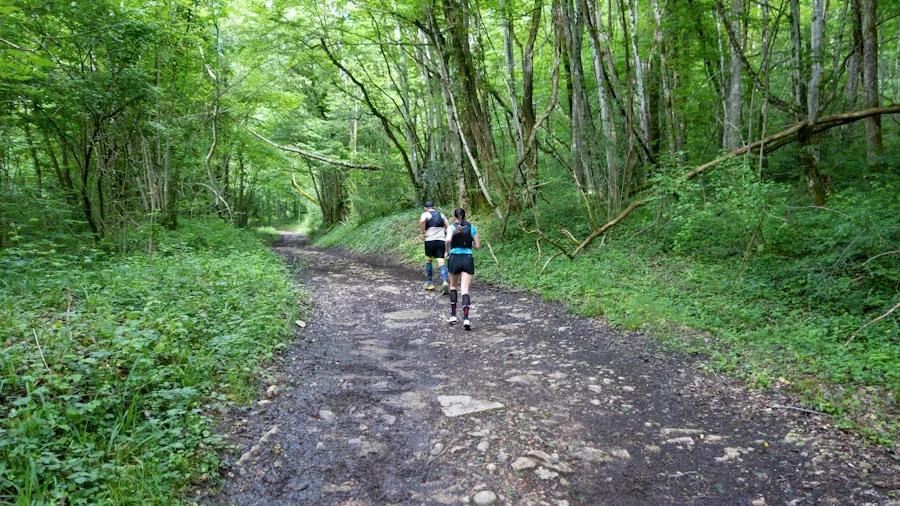
The single biggest variable in trail shoe performance is the outsole lug pattern, and lug design is dictated by terrain. Deep, widely spaced lugs in the 4 mm to 6 mm range bite into soft mud and loose soil but feel unstable and loud on hardpack. Shallower lugs around 2 mm to 3 mm roll smoothly over packed dirt and gravel and provide better ground feel on technical rock. If you run a variety of surfaces, a medium lug depth with multi-directional placement is usually the most practical all-rounder.
Rubber compound matters too. Harder rubber compounds last longer but lose grip when wet. Softer compounds, similar to those found in climbing shoes, grip cold rock exceptionally well but wear faster on abrasive grit. Check the outsole spec sheet when possible, since brands like New Balance and Brooks use different rubber formulations across their lineup. For a comparison of how outsole grip translates to other outdoor footwear, our guide to hiking shoes for men covers similar traction principles in depth.
Drainage ports cut into the midsole are worth seeking out if you regularly cross streams or run in wet climates. Without them, waterlogged shoes add significant weight mid-run and increase blister risk as soaked uppers press against the foot.
Evaluating Cushioning and Support
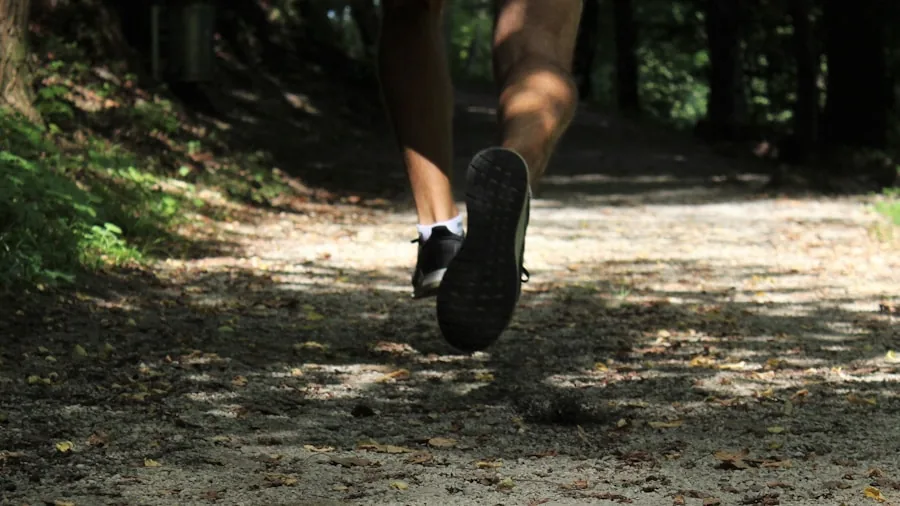
Midsole stack height is the most debated spec in trail running footwear right now. A higher stack, like the Fresh Foam compound used in the New Balance Fresh Foam X Hierro V9, absorbs impact over long miles and protects the foot from sharp rocks without a separate rock plate. Lower stack shoes give you better proprioception, meaning you can feel the trail surface beneath your feet, which helps with foot placement on technical ground.
Rock plates, typically nylon or carbon fiber inserts between the midsole layers, prevent painful bruising when you land on sharp stones. They add a small amount of stiffness but significantly extend the range of terrain a shoe can handle comfortably. Shoes like the Brooks Caldera 8 Ultra combine high stack cushioning with a plate for a protective, plush ride suited to long-distance efforts.
Arch support in trail shoes is usually more neutral than in road running shoes, since trail running involves more lateral movement and uneven landings. Runners with flat feet or significant overpronation should look for models with medial post support or consider aftermarket insoles. For more detail on foot support options, see our breakdown of running shoes for flat feet.
Checking Durability Factors
Trail shoes wear from three directions simultaneously: the outsole grinds against abrasive rock and grit, the upper tears against brush and roots, and the midsole compresses under repeated impact until it no longer rebounds. Budget-friendly options from Saucony and New Balance in the entry-level range typically use TPU overlays at the toe and heel to extend upper life, while premium models invest more in high-abrasion outsole rubber.
Midsole longevity is harder to see than outsole wear. Press your thumb firmly into the heel and forefoot foam. If it compresses easily and snaps back slowly, the foam is already breaking down and should be replaced regardless of how much tread remains. Most trail shoes are designed for roughly 300 to 500 miles, but aggressive terrain and heavier runners will push toward the lower end of that range.
Toe bumpers, reinforced heel counters, and welded overlays rather than stitched seams all extend shoe life considerably. If you also use your footwear on multi-day trips, the same durability logic applies to backpacking boots, which face similar abrasion challenges.
Fit and Sizing Considerations
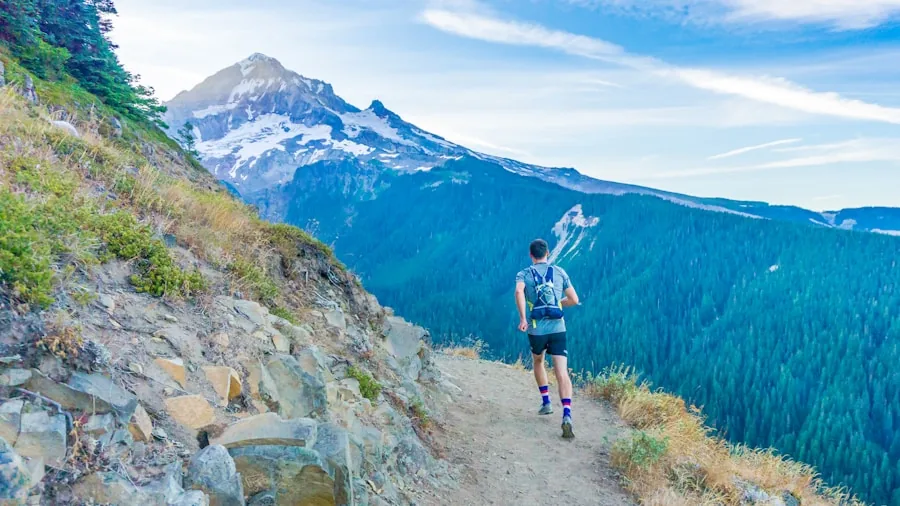
Trail shoe sizing tends to run slightly differently from road shoes within the same brand, so do not assume your road size translates directly. Most experienced trail runners size up by a half size to allow room for toe splay on descents. When your toes slam the front of the shoe on steep downhills repeatedly over a long run, you lose toenails, which is a very preventable problem.
Width is an underappreciated factor. ALTRA designs its footwear with a foot-shaped toe box that allows natural toe splay, which is why the Men’s Experience Wild 2 suits runners who have struggled with narrow toe boxes from traditional brands. New Balance also offers select models in wide widths, while Brooks tends to run true to their stated width. Trying shoes on late in the day when feet are at their largest, and always wearing your intended trail sock, will give you the most accurate sizing result.
Heel lock matters as much as toe room. A loose heel means blisters on climbs and instability on technical descents. Lacing systems that allow you to lock the ankle zone independently from the toe zone, sometimes called a heel lock lace technique, dramatically improve fit without buying a different shoe.
Breathability and Weather Resistance

Mesh uppers move moisture and heat out of the shoe efficiently, which is critical during hot summer months or high-output efforts. The tradeoff is that open mesh lets in debris like sand, grit, and pine needles on dry trails. A gaiter attachment point or an integrated collar can mitigate this. The ASICS NOVABLAST 5 uses a highly breathable engineered mesh that works well in warm conditions and drains quickly after water crossings.
Waterproof membranes like Gore-Tex keep feet dry in light rain and wet grass but reduce breathability significantly. They are most useful for cold, wet conditions in fall and winter where keeping warmth in matters as much as keeping water out. In summer or on sustained efforts, a waterproof shoe will leave your feet wetter from sweat than from the environment. Consider buying one breathable and one waterproof pair if you run year-round in a region with distinct seasons.
Overlapping your trail shoe selection with other outdoor gear planning makes sense for serious runners. A solid camping tent and appropriate outer layer for cold-weather runs round out a complete kit for year-round trail use.
Weight and Drop
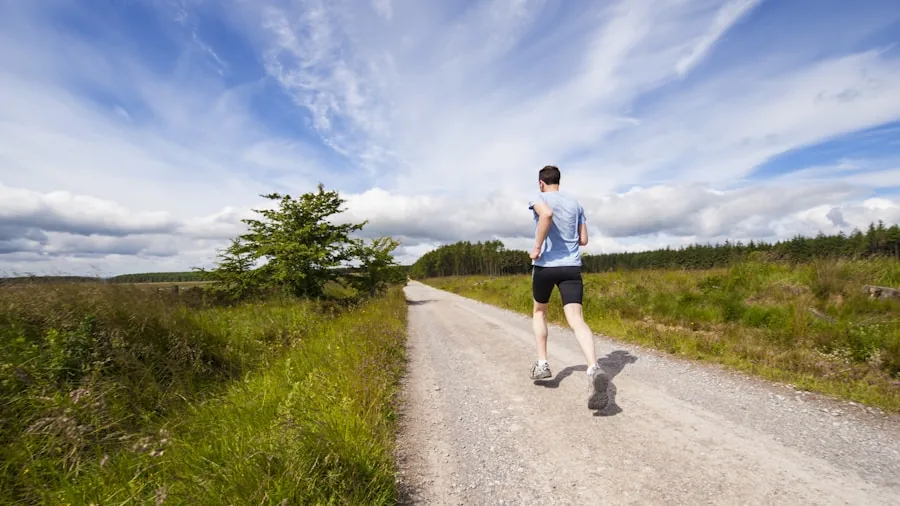
Shoe weight affects how fatigued your legs feel over long distances. A lighter shoe demands more from your foot and calf muscles since there is less structure supporting each stride, which is fine for trained runners but can cause injury in beginners who switch too quickly. ALTRA builds its trail lineup around a zero-drop platform, meaning the heel and forefoot sit at the same height, which encourages a more natural midfoot strike. Transitioning to zero-drop shoes should be done gradually over several weeks to avoid Achilles tendon strain.
Traditional trail shoes run between 4 mm and 8 mm of heel-to-toe drop, which is lower than most road shoes and encourages a more forward foot strike suited to technical terrain. Higher drop shoes, above 8 mm, feel more like road shoes underfoot and suit heel strikers who prefer familiar geometry when transitioning to trails. Cross-training in footwear designed for lateral movement is also worth considering. Our picks for cross training shoes cover options that bridge gym and light trail use.
Why You Should Trust Us
Buyadvanced operates as a fully independent review platform. We do not accept free products from manufacturers, and brands cannot pay to influence or alter our rankings. Every shoe on this list was evaluated through hands-on testing combined with structured assessment of construction quality, outsole performance, cushioning response, and overall ergonomics across multiple terrain types found across the US.
Our evaluation process draws on standardized performance benchmarks alongside real-world feedback from runners with different foot types, running backgrounds, and geographic locations. Ratings from verified buyers with substantial review counts, such as the New Balance 410 V8 which has accumulated over 4,000 verified ratings, are cross-referenced with our own observations to ensure alignment. We update our assessments when manufacturers revise models or when new options enter the market that outperform current picks. For runners building out a complete outdoor kit, our roundup of hiking boots for women and guide to trekking boots apply the same methodology to footwear for slower-paced off-road use.
Final Thoughts
After extensive testing across terrain types and running conditions, here are our standout picks from the current lineup:
- Best Overall: Saucony Men’s Excursion TR15 delivers a balanced combination of traction, cushioning, and durability at an accessible price point, making it the most versatile pick for everyday trail runners.
- Best Value: New Balance Men’s 410 V8 Trail Running Shoe has earned over 4,000 verified ratings for good reason. It offers reliable grip and comfortable midsole cushioning at a mid-range price that suits most recreational trail runners.
- Best for Long Distance: Brooks Men’s Caldera 8 Ultra Trail Running Shoe pairs a high stack midsole with protective geometry purpose-built for the cumulative punishment of ultra-distance efforts.
- Best Premium Pick: New Balance Men’s Fresh Foam X Hierro V9 justifies its higher price with superior Fresh Foam cushioning technology and a refined outsole pattern that performs across wet and dry mixed terrain.
- Best for Natural Foot Shape: ALTRA Men’s Experience Wild 2 suits runners who need a foot-shaped toe box and zero-drop platform for a more natural gait on technical trails.
For most runners shopping in October 2026, the Saucony Excursion TR15 or the New Balance 410 V8 will cover the majority of trail conditions without overspending. If you are building toward longer races or tackling more challenging terrain, the Brooks Caldera 8 or Fresh Foam X Hierro V9 are worth the additional investment. You might also find it useful to compare climbing shoes if your routes include scrambling sections, or browse our men’s hiking shoe picks for non-running trail use.
Trail Running Shoes FAQs
What makes trail running shoes different from road shoes?
Trail running shoes feature aggressive rubber outsoles with lugs designed to grip loose dirt, wet rock, and uneven surfaces where smooth road shoe outsoles would slip. The uppers are typically more reinforced to resist abrasion from brush, roots, and rocks, and many models include a rock plate in the midsole to prevent bruising on sharp terrain. Road shoes prioritize smooth cushioning and energy return for consistent pavement contact, which is not what you need when the ground beneath you is constantly changing. If you split time between roads and trails, our men’s running shoe guide covers the road side in detail.
How often should trail running shoes be replaced?
Most trail running shoes are designed for between 300 and 500 miles of use. Runners who frequently tackle abrasive rocky terrain will see outsole wear accelerate and should monitor lug depth regularly. Midsole foam compression is the less visible but equally important wear factor. Press the heel and forefoot foam with your thumb. If it compresses too easily or rebounds slowly, the cushioning is spent even if the outsole still looks acceptable. Tracking mileage in a running log or app is the most reliable replacement indicator.
Are trail running shoes suitable for beginners?
Yes, trail running shoes are appropriate for beginners, and starting with a well-cushioned, moderate-drop model reduces injury risk during the adaptation phase. Beginners should start on easier, well-marked trails before progressing to technical terrain, regardless of shoe choice. A shoe with a wider base, reliable heel counter, and moderate lug depth, like the New Balance 410 V8, gives new trail runners stability without penalizing them for imperfect foot placement. Pairing new trail shoes with appropriate workout shorts and moisture-wicking layers makes the overall experience more comfortable.
Do trail running shoes require special maintenance?
After muddy or wet runs, knock off loose debris and rinse the outsole with cold water. Remove the insoles and allow both the insoles and the shoe to air dry naturally in a ventilated space away from direct sunlight or heat sources. Heat from radiators or dryers degrades foam and glue bonds quickly. Packing the shoe loosely with newspaper speeds drying by absorbing moisture from inside the upper. Avoid machine washing unless the manufacturer explicitly states it is safe, as agitation can separate bonded layers.
Which brands lead in trail running shoe innovation?
Saucony, New Balance, Brooks, ALTRA, and ASICS each approach trail shoe development from a different angle. New Balance invests heavily in midsole foam technology, with the Fresh Foam X platform being one of the most tested proprietary compounds in the category. ALTRA leads in foot-shaped geometry and zero-drop design. Brooks focuses on long-distance comfort and protective geometry. ASICS brings road running foam science to trail applications. Testing current models from each brand against your specific terrain and foot type remains the most reliable way to identify your best match.
Can trail running shoes handle wet conditions?
Non-waterproof trail shoes with open mesh uppers can handle wet conditions reasonably well as long as you expect them to get wet, drain quickly, and dry between runs. They are not designed to keep water out but do manage water well once saturated. Waterproof membrane versions keep feet dry in light rain and dewy grass but reduce breathability and take much longer to dry if fully submerged. Traction in wet conditions is determined by the rubber compound and lug pattern regardless of whether the upper is waterproof. Softer rubber compounds grip better on wet rock. Comparable grip considerations apply when choosing hiking boots for wet terrain as well.
Where can I buy these trail running shoes?
Buyadvanced is an independent review platform and does not sell products, process orders, or provide any post-purchase support including returns, exchanges, or warranty claims. Purchase through authorized retailers or the product links in this article, which connect to Amazon listings. For warranty or sizing questions, contact the brand directly or the retailer where you make your purchase.
How do trail running shoes compare across price points?
Entry-level trail shoes in the budget range typically use basic EVA foam midsoles, standard rubber outsoles, and simpler upper constructions that work well for casual trail runners logging moderate mileage on forgiving terrain. Mid-range models like the New Balance Dynasoft Tektrel V1 introduce better foam compounds, more refined lug geometry, and improved upper materials that hold up to more demanding use. Premium options at the higher end of the price range, such as the Fresh Foam X Hierro V9, invest in proprietary foam technology, optimized outsole patterns, and construction details that benefit high-mileage runners or those tackling genuinely technical terrain. Casual runners may never notice the difference, but competitive athletes and those covering significant weekly mileage on harsh trails will see real returns on the higher investment. For other gear that follows similar price-to-performance logic, our mountain bike guide and coverage of stationary bikes for home apply the same framework to endurance sports equipment.

Write Your Review
No reviews yet. Be the first to share your experience!