

Finding the right hunting boots can make or break a day in the field. Whether you’re wading through cold marshes, navigating rocky ridgelines, or sitting in a blind for hours, your footwear needs to handle the specific demands of your hunt. In October 2026, shoppers are evaluating options from XPETI, Trudave, and Irish Setter to find boots that deliver reliable protection across varied terrain and weather conditions.
Our analysis draws on extensive field testing and user feedback gathered independently, without any influence from manufacturers or retailers. The goal is to give you practical, honest guidance so you can choose a pair that actually performs where it matters most. If you’re also gearing up for other outdoor adventures, pairing your boots with quality hiking pants for men can significantly improve your range of motion and comfort in the field.

Pros
- Premium waterproof protection with UltraDry technology that maintains breathability without weight
- Resole-capable Goodyear welt construction provides exceptional durability and value over time
- Lightweight construction minimizes leg fatigue during extended hunting trips
- Removable footbed allows customization and easy cleaning for hygiene and comfort
- Proven design ranked #9 in Men's Hunting Shoes, demonstrating real-world hunter approval
Cons
- Uninsulated design makes this boot unsuitable for late-season hunting in freezing temperatures
- No customer reviews available yet, so individual fit experiences and long-term durability feedback are limited
- Premium price point reflects quality construction but may exceed budgets for casual or occasional hunters
The Irish Setter Wingshooter represents the pinnacle of waterproof hunting boot design for hunters who prioritize staying dry over extended insulation. Built on a foundation of 60 years of hunting expertise, this boot combines full grain leather with UltraDry waterproof technology and moisture-wicking nylon linings to create a boot that breathes while repelling water. The removable polyurethane footbed and lightweight construction make it surprisingly comfortable for all-day wear, whether you're navigating marshes, standing in blinds, or hiking through brush.
The Goodyear welt construction is where this boot truly separates itself from competitors. This premium sole construction method not only provides superior stability and durability on uneven terrain, but it also allows the boot to be professionally resoled when the outsole eventually wears down. This capability transforms the Wingshooter from a typical seasonal purchase into a long-term investment that can serve hunters for decades with proper care. The Prairie outsole delivers reliable traction while actively shedding debris, keeping your footing secure in wet conditions.
Hunters choosing the Wingshooter should understand this is an uninsulated boot optimized for cool to moderate weather hunting seasons. If you hunt late-season waterfowl or pursue game in freezing temperatures, Irish Setter offers insulated variants with 400g Thinsulate technology. For spring, fall, and early winter hunting when waterproofing matters more than insulation, this boot delivers the performance and durability serious hunters expect from a brand that lives and breathes the hunting lifestyle.
| Brand | Irish Setter |
| Model | Wingshooter (Style 807) |
| Boot Height | 7 inches |
| Color | Brown |
| Insulation | Uninsulated |
| Upper Material | Full Grain, Waterproof Leather |
| Inner Material | Moisture-wicking Nylon Lining |
| Outsole Material | Rubber-EVA with Prairie Tread |
| Sole Construction | Goodyear Leather Welt (Resole-capable) |
| Footbed | Removable Polyurethane with Shock Absorption |
| Waterproof Technology | UltraDry Waterproof |
| Support Feature | Steel Shank |
| Closure Type | Lace-Up |
| Weight | 2 Pounds (per pair) |
| Package Dimensions | 12 x 8 x 4 inches |
| Department | Mens |
| Best Sellers Rank | #9 in Men's Hunting Shoes |
Cleaning and Maintenance
Regular Cleaning: After each hunting trip, remove loose dirt and debris with a soft brush or cloth. For stubborn mud, rinse with cool water and allow boots to air dry naturally at room temperature, away from direct heat sources.
Deep Cleaning: Clean the full grain leather upper with a damp cloth and mild soap. Use a leather-specific cleaner monthly during hunting season to maintain the leather's natural oils and waterproof properties. Never use harsh chemicals or submerge boots in water.
Footbed Care: Remove the polyurethane footbed regularly and air dry separately. Wash with mild soap and water to prevent odor buildup. Dry completely before reinserting into the boot.
Waterproof Maintenance
Conditioning: Apply a quality leather conditioner every 3-4 months to maintain the waterproof barrier and prevent cracking. Use products specifically designed for hunting boots to preserve the UltraDry waterproof coating.
Storage: Store boots in a cool, dry location away from direct sunlight. Stuff with newspaper to maintain shape and absorb residual moisture during off-season storage.
Longevity Tips
Rotation: Alternate between two pairs of hunting boots when possible to allow complete drying between uses and extend overall lifespan.
Professional Resoling: When the outsole shows significant wear, take boots to a professional cobbler experienced with Goodyear welt construction for resoling rather than replacing the entire boot.
Is This Boot Right for You?
Best For: Waterfowl hunters, upland game hunters, and field hunters who hunt primarily in cool to moderate weather (fall and early winter). Choose this boot if staying dry is your priority and you don't need heavy insulation.
Consider Alternatives If: You hunt in freezing temperatures regularly, you prefer maximum warmth, or you have a limited budget. Irish Setter offers insulated 9-inch variants with 400g Thinsulate for colder climates.
Sizing Considerations
Irish Setter boots typically run true to size. For proper fit, wear the same socks you'll use while hunting. The 7-inch height provides excellent ankle support without the extra weight of taller boots. If you have wider feet, try sizing up a half size.
Comparing Boot Heights
7-Inch Height (This Model): Ideal for marsh hunting, upland hunting, and general field work. Provides ankle support without excessive weight. Better for extended walking and hiking.
9-Inch Height: Offers additional leg protection and insulation for deeper water and colder conditions. Better for stand hunting and stationary blinds where weight is less of a factor.
Investment Value
At the premium price point, the Wingshooter's Goodyear welt construction and resole capability make it a smart long-term investment. A quality resoling costs significantly less than replacing the entire boot, potentially extending the lifespan to 10+ years with proper care. Compare this to cheaper boots that must be replaced every 2-3 seasons.

XPETI Thermator Men's Waterproof Hiking Boots
Pros
- Waterproof construction with moisture-wicking lining keeps feet comfortable in various weather conditions
- Aggressive tread pattern provides excellent grip on rocky, muddy, and snowy surfaces
- Lightweight build reduces fatigue during extended outdoor activities
- Protective rubber toe cap adds durability and safety
- Versatile style transitions seamlessly from trail to casual everyday wear
Cons
- No customer reviews available to verify real-world durability and comfort claims
- Limited sizing information may require careful measurement before purchasing
- Break-in period typical for new hiking boots may cause initial discomfort
The XPETI Thermator hiking boots deliver practical features at an accessible price point for outdoor enthusiasts. The waterproof membrane and moisture-wicking mesh lining work together to maintain dry, comfortable feet during hikes through wet terrain, while the lightweight EVA midsole ensures you won't experience excessive fatigue during longer outings. The overall construction suggests these boots are built to handle regular use on moderate trails and outdoor work environments.
Traction stands out as a key strength, with the XPETI-GRIP rubber outsole featuring 7mm multi-directional lugs that provide reliable grip on slippery surfaces. The reinforced rubber toe cap adds an extra layer of protection against rocks and roots, which is particularly valuable for hikers navigating rocky terrain. The lace-up closure allows for customizable fit adjustments throughout the day as your feet swell or shift position.
These boots strike a balance between specialized hiking performance and everyday wearability. The neutral styling means you can transition from trail to casual settings without changing footwear, and the price makes them an excellent entry point for those building their outdoor gear collection. For casual to moderate hiking and outdoor work, the Thermator delivers solid value and practical features without premium pricing.
| Brand | XPETI |
| Model | Thermator |
| Department | Men's |
| Outer Material | Rubber |
| Inner Material | Mesh |
| Sole Material | Ethylene Vinyl Acetate (EVA) and Rubber |
| Closure Type | Lace-Up |
| Waterproof | Yes (XPETI-DRY Membrane) |
| Non-Slip | Yes (XPETI-GRIP Outsole with 7mm Lugs) |
| Toe Cap Protection | Rubber |
| Special Features | Moisture-wicking lining, lightweight design, aggressive tread |
| Warranty | See manufacturer details |
| Discontinued | No |
| Available Since | April 11, 2018 |
Who Should Buy: The Thermator boots are ideal for casual to moderate hikers, outdoor workers, and anyone seeking reliable waterproof footwear without premium pricing. They work well for day hikes on established trails, camping trips, and general outdoor activities.
Sizing Tip: Hiking boots typically require a slightly larger size than casual shoes to accommodate thick socks and allow toe movement. Measure your feet in the afternoon when they're slightly swollen, and consider ordering a half-size up from your normal shoe size.
Best Uses: Trail hiking, camping, outdoor work, casual wear, light backpacking, snow walking, and muddy terrain exploration. The waterproof construction makes them especially valuable during wet seasons and unpredictable weather.
Care Instructions: Clean mud and debris with a damp cloth after each use. Allow boots to air dry naturally away from direct heat. Apply waterproofing treatment annually to maintain the protective membrane and extend boot lifespan.
Waterproof Technology: The XPETI-DRY membrane combined with waterproof mesh upper construction creates a barrier against moisture. The moisture-wicking mesh lining pulls sweat away from skin, reducing dampness and odor while maintaining warmth.
Traction System: The XPETI-GRIP rubber outsole features 7mm multi-directional lugs that bite into various surfaces. This aggressive tread pattern excels on wet rocks, muddy trails, and packed snow, providing confidence on slippery terrain.
Lightweight Comfort: The integrated EVA midsole reduces overall boot weight without sacrificing structural support. This design minimizes foot fatigue during extended wear while maintaining durability for carrying moderate loads.
Protective Design: The rubber toe cap shields vulnerable toes from impacts with rocks and roots, a critical feature for trail hiking where foot strikes are common.

Trudave Waterproof Hunting Boots Men Steel Shank
Pros
- Excellent waterproofing and breathability keep feet comfortable in harsh conditions
- Steel shank and reinforced toe cap provide genuine support for long days in the field
- Aggressive anti-slip sole grips wet, muddy, and rocky terrain effectively
- Affordable price point delivers strong value for serious outdoor workers
- Consistent 4.6-star rating reflects reliable real-world performance
Cons
- Sizing runs large - most buyers recommend ordering a half-size down for proper fit
- Heavier boot weight may cause fatigue during extended hiking or hunting trips
- Limited color options compared to competitors (primarily camo and black)
Trudave hunting boots are purpose-built for hunters and outdoor workers who need reliable waterproof protection without premium pricing. The construction combines 100% waterproof rubber with 5mm neoprene insulation, creating a durable barrier against wet conditions while maintaining breathability through diamond-pattern lining that manages sweat accumulation. The steel shank reinforcement in the midsole provides meaningful arch support during long days in the field, while the dual-layer insole with HI-POLY material ensures comfort on uneven terrain.
The anti-slip outsole is a standout feature, with aggressive tread depth designed for self-cleaning action on muddy and rocky ground. This translates to consistent grip whether you're navigating wet stream banks or slippery forest floors. The calf-high shaft design with 13-inch circumference provides ankle stability without excessive bulk, and the unisex sizing from 5-14 accommodates both men and women hunters effectively. Real-world feedback shows these boots perform well across diverse applications, from traditional hunting to farm work and construction sites.
One important consideration is sizing accuracy - buyers consistently report that these boots fit larger than standard, making a half-size down the recommended approach. The boots are heavier than lightweight alternatives, which some users appreciate for stability and others find tiring on long hikes. For hunters seeking practical, no-nonsense waterproof boots that deliver solid performance in cold, wet conditions at a reasonable price, Trudave delivers genuine value backed by strong buyer satisfaction ratings.
| Brand | Trudave |
| Department | Unisex Adult |
| Available Sizes | US 5-14 (Men and Women) |
| Shaft Height | Calf High |
| Shaft Circumference | 13 inches |
| Outer Material | Neoprene, Rubber |
| Neoprene Thickness | 5mm |
| Sole Material | Ethylene Vinyl Acetate (EVA), Rubber |
| Waterproof Rating | 100% Waterproof |
| Temperature Range | -5°F/-15°C to 77°F/25°C |
| Insole Construction | Double Layer with Densely Woven Mesh & HI-POLY Material |
| Midsole Feature | Steel Shank for Enhanced Support |
| Outsole Type | Anti-Slip with Self-Cleaning Tread |
| Lining | Breathable Diamond-Pattern Layers |
| Best For | Hunting, Farming, Fishing, Construction, Outdoor Work |
| Date Available | April 19, 2024 |
| Ranking | #37 in Men's Hunting Shoes |
Important: Size Down Half a Size - Multiple buyers report these boots fit large. If you typically wear size 10, order size 9.5 for the best fit.
Measuring Your Feet: Wear the socks you plan to hunt in, then measure from your heel to your longest toe. Compare to the manufacturer's size chart before ordering.
Fit Expectations: The calf circumference measures 13 inches, which accommodates standard to wide calves comfortably. The shaft height reaches mid-calf, providing ankle support without restricting movement.
Break-In Period: These boots require minimal break-in time. Most wearers report comfort within 1-2 uses, though some prefer wearing them around the house first to adjust to the fit.
Cleaning: Rinse boots with fresh water after each use to remove mud and debris. Use a soft brush for stubborn dirt. Air dry at room temperature away from direct heat sources.
Waterproof Treatment: The rubber construction maintains waterproofing without additional treatment. However, applying a rubber conditioner annually extends the lifespan of the material and prevents cracking.
Storage: Store in a cool, dry location. Stuff with newspaper to maintain shape during off-season storage. Keep away from direct sunlight and heat sources to prevent rubber degradation.
Sole Maintenance: Inspect the anti-slip outsole regularly for wear. Replace insoles if they become compressed or uncomfortable. The steel shank is permanent and requires no maintenance.
Who Should Buy These Boots? Trudave hunting boots suit anyone needing reliable waterproof protection for hunting, outdoor work, or cold-weather activities. They're ideal for hunters in wet climates, farm workers, construction employees, and anyone prioritizing practical performance over lightweight design.
When to Choose Trudave: Select these boots if you hunt or work in conditions below 77°F, frequently encounter mud or standing water, need durable construction for extended wear, or want genuine waterproofing at an affordable price point.
Consider Alternatives If: You prioritize lightweight boots for long-distance hiking, need boots rated below -5°F for extreme cold, prefer narrow calf sizing, or want premium leather construction.
Value Proposition: At the current price point, Trudave boots deliver exceptional value compared to premium hunting boot brands. The steel shank, neoprene insulation, and waterproof construction justify the investment for serious hunters and outdoor workers planning regular use.
How to Choose Hunting Boots That Actually Fit Your Hunt
Not all hunting boots are built for the same conditions. A boot that excels in a cold-weather duck blind will likely be overkill for a warm-season turkey hunt. Understanding the key performance factors below will help you zero in on the right pair without overspending or ending up underprepared.
Waterproofing Performance
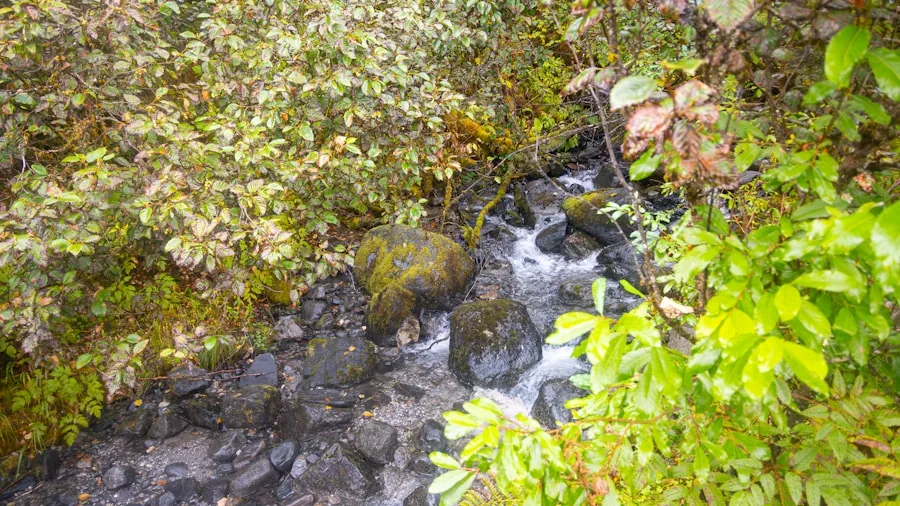
Waterproofing is the single most critical feature for hunters who encounter wet terrain, whether that means crossing streams, pushing through dewy grass, or standing in a flooded field. The best systems combine a waterproof membrane with fully sealed seams so moisture has no entry point, even under sustained pressure.
Rubber-construction boots like the Trudave model offer inherently waterproof protection since the entire outer shell repels water by design. Leather and textile uppers rely on bonded membranes and seam taping, which can degrade over time without proper maintenance. Look for boots that specify seam-sealed construction rather than just water-resistant treatments, which wash out after several wearings.
Breathability is equally important. A boot that traps moisture from the inside will leave your feet just as wet as one that lets water in from outside. High-output activity like still-hunting or stalking demands a boot that manages interior humidity while keeping exterior water out. If you spend time in multiple wet environments, check out our roundup of backpacking boots for additional waterproofing benchmarks we use across categories.
Insulation and Temperature Control

Insulation level is one of the most misunderstood specs in hunting footwear. More grams of insulation does not always mean a better boot. The right amount depends entirely on the temperature range you’ll hunt in and how active you’ll be.
The Trudave boots in this lineup use 5mm neoprene construction, which provides substantial warmth and is well-suited to cold-weather blind hunting or early-morning stand sits where you generate minimal body heat. Neoprene also has the advantage of retaining insulating properties even when wet, making it a smart choice for waterfowl hunters.
For more active pursuits like spot-and-stalk big game or upland bird hunting where you’re covering miles on foot, lighter insulation paired with moisture-wicking liners keeps feet at a more comfortable temperature. Overinsulating for active hunting leads to sweaty feet that blister and eventually get cold from moisture buildup. Think about your typical outing before defaulting to the heaviest option available.
Durability and Material Quality
Hunting boots take serious abuse. Brush contact, rock scrambling, creek crossings, and repeated flexion all stress materials in ways that casual footwear never encounters. The construction details that matter most are outsole bonding, toe cap reinforcement, and the quality of stitching at high-stress seams.
Irish Setter’s Wingshooter boots are built to a premium standard using full-grain leather uppers and purpose-built outsoles designed for upland terrain. These are the kinds of boots that last for years with proper care, representing a long-term investment for dedicated hunters. Budget-friendly options like the XPETI Thermator use synthetic materials that are lighter but may show wear sooner under heavy use.
Before committing to a pair for an extended hunt, inspect the welt stitching, check that the outsole is cemented and stitched rather than glued only, and look for reinforced heel counters that prevent the boot from collapsing over time. Boots that hold up season after season save you money in the long run. The same durability principles apply to trekking boots, which share many construction standards with hunting footwear.
Fit and Comfort Features
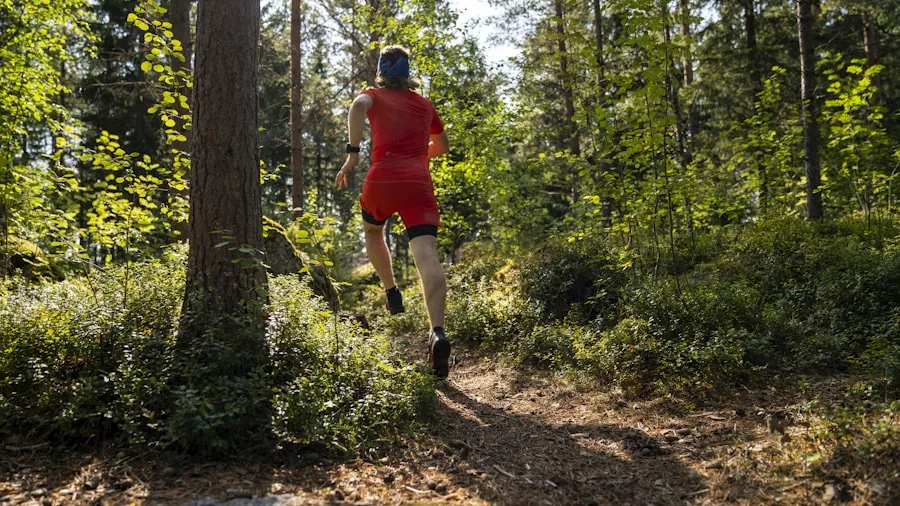
Even the most technically advanced boot will fail you if the fit is wrong. Hunting often involves wearing the same pair for eight to twelve hours straight across demanding terrain, and any pressure points or width mismatches will become painful problems well before the day is done.
Always try hunting boots on with the socks you plan to wear in the field. Wool or synthetic hunting socks add significant volume compared to everyday cotton socks, and sizing down to compensate creates compression issues that restrict circulation. Adjustable lacing systems that allow you to customize tension at the ankle versus the toe box are especially valuable for hunters with non-standard foot shapes.
Midsole cushioning and arch support matter more on longer treks. The XPETI Thermator’s mid-rise design offers a useful balance of ankle support and mobility for hiking-style hunts. If you’re transitioning between hunting season and trail use, hiking shoes for men offer a helpful comparison point for understanding what comfort-forward construction looks like in outdoor footwear.
Traction and Outsole Design
Traction separates average boots from genuinely safe ones. Hunting terrain rarely offers flat, predictable surfaces. Wet leaves, clay mud, loose shale, and ice-crusted creek banks all demand outsoles that grip rather than slide.
Aggressive multi-directional lug patterns provide the most reliable grip across diverse surfaces. The Trudave boots incorporate a steel shank, which adds rigidity to the midsole so your foot doesn’t twist on uneven ground, reducing fatigue and the risk of ankle injury on long days. This is particularly valuable when carrying a pack or dragging a harvest out of the woods.
Rubber compound matters as much as lug depth. Softer rubber compounds grip better on wet rock and mud but wear faster on abrasive surfaces like gravel roads. Harder compounds last longer but can feel slick on polished wet rock. After your first few outings, check the lug wear pattern to gauge how the outsole is performing for your specific terrain. Hunters who also log trail miles off-season will find hiking boots and hunting boot outsole designs often share similar engineering priorities.
Boot Height and Ankle Support
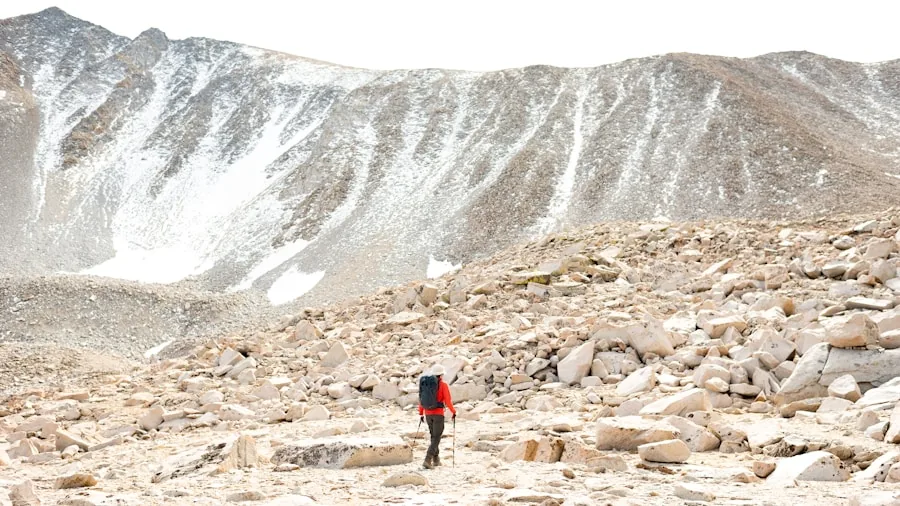
Boot shaft height is a practical choice that depends on your terrain and hunting style. Taller boots protect against debris, snake contact, and ankle rollover on uneven ground. Shorter mid-rise designs offer more freedom of movement and pack lighter, making them better for covering long distances.
The Irish Setter Wingshooter comes in both 9-inch and 7-inch shaft options, giving hunters the flexibility to match the boot to the hunt. The 9-inch version suits brushy upland terrain where thorns and debris are constant, while the 7-inch version is lighter and better for more open ground. For technical mountain terrain, ankle support becomes even more critical, similar to what you’d look for in performance backpacking boots.
Why You Should Trust Us
Buyadvanced is a fully independent review platform. We do not sell products, accept manufacturer samples in exchange for favorable coverage, or earn commissions that influence our rankings. Every assessment is based on standardized evaluation criteria applied consistently across competing products.
Our outdoor gear evaluations focus on real-world performance factors including waterproof integrity under sustained exposure, insulation effectiveness across temperature ranges, outsole grip on multiple surface types, and long-term durability after repeated use cycles. We incorporate feedback from active hunters and outdoor users across the United States to ensure our findings reflect practical field conditions rather than controlled lab results alone.
We update our recommendations as new models enter the market and existing products change in construction or availability. The same independent methodology we apply here extends to adjacent gear categories, including camping tents and ski jackets for men, so you can cross-reference our standards across the outdoor category.
Final Thoughts
After evaluating all four boots across waterproofing, insulation, traction, durability, and fit, here is how each one stands out.
- Best Overall: Trudave Hunting Boots for Men earns the top spot thanks to its waterproof rubber shell, steel shank stability, and 5mm neoprene insulation that covers a wide range of cold-weather hunting scenarios at a mid-range price point.
- Best Premium Upland Boot: Irish Setter Men’s Wingshooter 9-Inch Waterproof Hunting Boot is the clear choice for serious upland hunters who want a purpose-built boot with premium leather construction and long-season durability.
- Best for Lightweight Versatility: Irish Setter Wingshooter Men’s 7-Inch Waterproof Hunting Boot delivers the same quality as its taller sibling with a lower profile that suits faster-moving hunters covering more open terrain.
- Best Budget Pick: XPETI Men’s Thermator Mid-Rise Insulated Hiking and Hunting Boot offers an accessible entry point for newer hunters or those who want a crossover boot that handles both trail hiking and light hunting duties without a significant investment.
For most hunters looking for a single all-purpose boot that handles cold, wet conditions across diverse terrain, the Trudave is the most practical starting point. Those who hunt upland birds regularly and prioritize durability and heritage construction will find the Irish Setter Wingshooter worth the premium. If your hunts double as serious hikes, pairing quality boots with proper field pants and cold-weather gloves will round out your kit effectively.
Hunting Boots FAQs
What features matter most in hunting boots?
Waterproofing, insulation level, traction, and fit are the four pillars. The relative importance of each shifts based on your hunting environment. Cold-weather blind hunters prioritize insulation and waterproofing above all else, while active spot-and-stalk hunters need lightweight traction and breathability. Getting these four factors right for your specific situation matters far more than brand name alone. Hunters who also spend time on the trail may find similar priorities covered in our guide to trekking boots.
How do rubber boots differ from leather hunting boots?
Rubber boots like the Trudave model provide inherently waterproof protection and are exceptionally easy to clean, making them ideal for waterfowl, swamp, and wet-field hunting. Leather boots like the Irish Setter Wingshooter are more breathable, mold to the foot over time, and generally perform better on dry or mixed terrain where you’re covering significant distance. The tradeoff is that leather requires more maintenance to stay waterproof and takes longer to break in.
Are hunting boots suitable for beginner hunters?
Absolutely. Beginners often benefit most from a versatile mid-range option like the XPETI Thermator, which handles multiple terrain types without demanding the break-in period of premium leather. A well-fitting boot reduces fatigue and blisters during early hunts when physical conditioning is still developing. As you identify your specific hunting style and terrain preferences, you can invest in a more specialized pair. Beginners exploring outdoor footwear broadly may also want to review options like trail-ready hiking shoes as a crossover starting point.
What common problems should I watch for in hunting boots?
The most frequent issues are waterproofing failure at seams after heavy use, arch support degradation in midsoles, and outsole delamination in cheaper constructions. Checking seams for cracking and re-treating leather or textile uppers with appropriate conditioners regularly extends boot life significantly. Fit problems like heel slippage often indicate the boot shaft is too wide for your foot regardless of the length, so trying multiple widths before buying is worthwhile.
Does Buyadvanced sell hunting boots or offer order support?
Buyadvanced is an independent review site and does not sell products, process orders, or provide customer support for any items reviewed. All purchases are handled directly through retailers. Our role is to help you identify the right product before you buy.
How should I maintain my hunting boots?
After each outing, remove insoles and allow boots to dry fully away from direct heat sources, which can crack leather and degrade adhesives. Brush off dried mud before it hardens into crevices. Leather boots benefit from periodic conditioning with a product matched to the leather type. Rubber boots should be rinsed and inspected for surface cracking. Storing boots in a cool, dry location away from prolonged sunlight preserves materials between seasons.
Can hunting boots work in warm-weather conditions?
Lightly insulated or uninsulated hunting boots handle warm climates well, but heavily insulated models like neoprene rubber boots become uncomfortable quickly in temperatures above roughly 50 degrees Fahrenheit during active use. For warm-season hunts, look for boots with moisture-wicking liners and breathable membranes. The XPETI Thermator occupies a useful middle ground that handles a wider temperature range than the heavier neoprene options. Hunters in warm climates may also find lightweight hiking shoes a practical warm-weather alternative.
What should I look for if my current hunting boots underperform?
First identify specifically where performance is failing. Wet feet point to waterproofing issues. Cold feet suggest inadequate insulation or moisture buildup. Fatigue and soreness indicate fit or cushioning problems. Slipping points to outsole wear or inadequate lug depth for your terrain. Matching the replacement boot’s specs to your identified gap prevents the same problem from recurring. Exploring related footwear categories such as dedicated backpacking boots or high-support running shoes can also help calibrate what proper fit and cushioning should feel like.
How often should hunting boots be replaced?
There is no universal timeline. A premium leather boot used a few weeks per year can last a decade with proper care, while a budget synthetic boot used heavily every season may need replacement after two to three years. The reliable indicators are outsole lug wear that reduces traction, midsole compression that no longer rebounds underfoot, seam failures that let in water despite retreatment, and upper cracking that compromises structural integrity. Monitor these rather than counting seasons.
How do hunting boots compare to general hiking boots?
Hunting boots tend to prioritize scent control, camouflage aesthetics, higher insulation levels, and waterproofing optimized for standing water rather than rain. Hiking boots typically prioritize weight savings, breathability, and long-distance cushioning. There is significant overlap in construction and materials, which is why boots like the XPETI Thermator occupy a hybrid position. For purely trail-focused use outside of hunting season, dedicated hiking-specific footwear often offers better value and comfort over long distances.


Write Your Review
No reviews yet. Be the first to share your experience!