
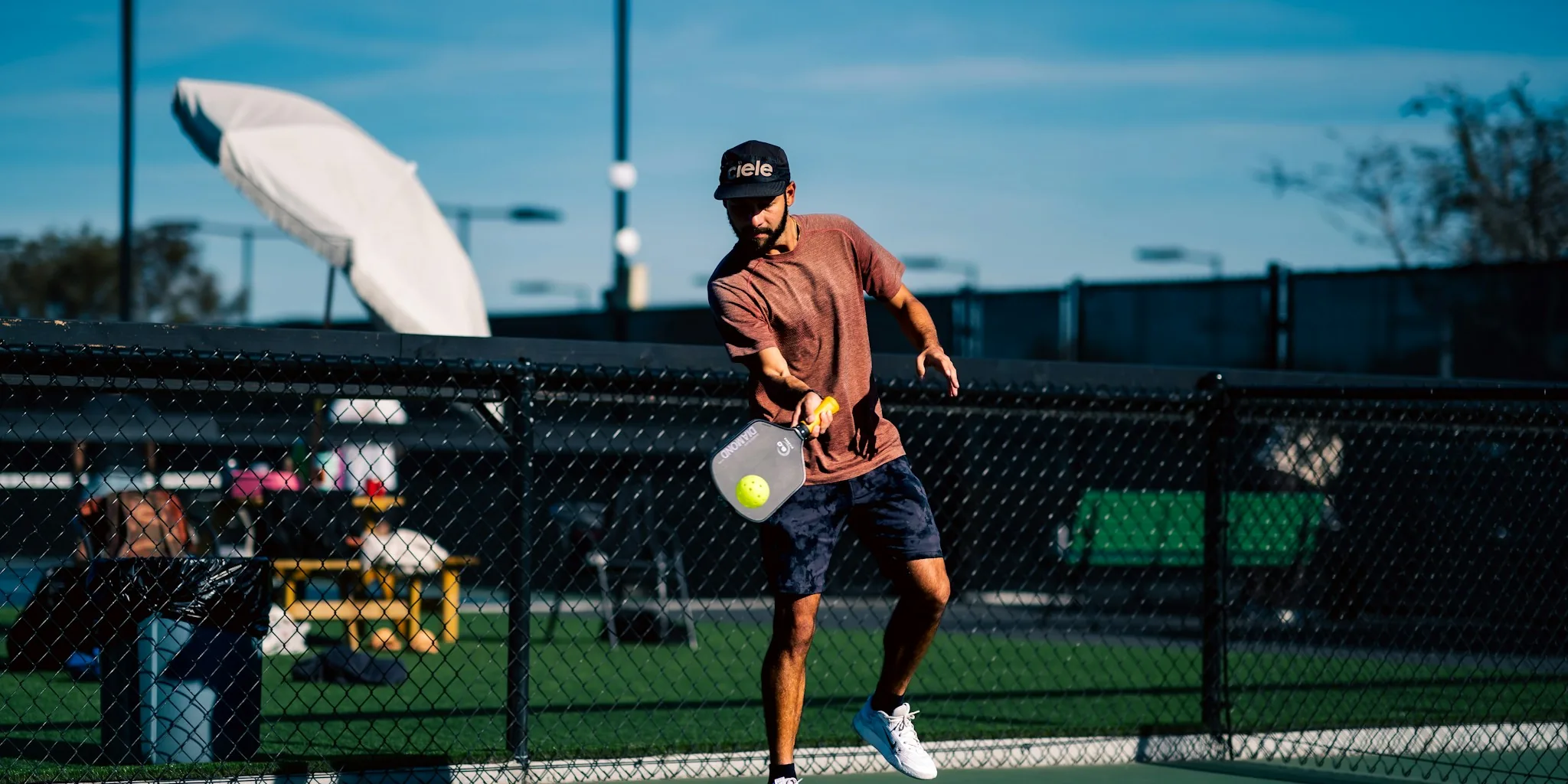

Finding the right pickleball shoes can make a significant difference in how you move, recover, and perform on the court. Whether you play indoors on a gym floor or outdoors on asphalt, the footwear you choose needs to handle quick lateral cuts, sudden stops, and long rallies without letting you down. We tested and evaluated options from K-Swiss and adidas to bring you the most practical recommendations for October 2026. This guide covers 3 standout models across different budgets and playing styles, so you can find the right fit without guesswork.
Pickleball is one of the fastest-growing racquet sports in the country, and the demand for purpose-built footwear has grown alongside it. While some players borrow tennis or volleyball shoes, dedicated pickleball footwear is engineered for the specific movement demands of the sport. If you are also gearing up your full kit, pairing your shoes with the right pickleball paddles and a reliable pickleball bag helps you show up ready to compete.
How to Choose Pickleball Shoes That Actually Work for You
Not every court shoe is built the same, and the differences matter more than most players expect. Below are the key factors our team focused on when evaluating each model in this roundup.
Court Surface Compatibility
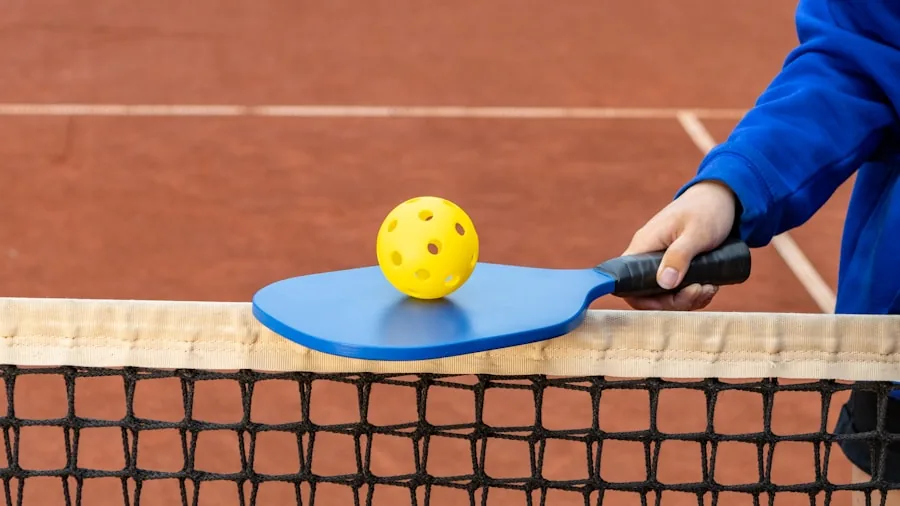
Pickleball is played on both indoor and outdoor courts, and the outsole of your shoe needs to match your primary surface. Indoor courts, typically made of hardwood or rubberized gym flooring, require a non-marking gum rubber outsole that grips without scuffing. Outdoor courts made of asphalt or concrete demand a more durable, harder rubber compound that resists abrasion over time.
During our testing, we found that shoes with herringbone tread patterns offered the most consistent grip across both surface types, though they wear faster on rough outdoor courts. Models with segmented outsoles provided better flexibility and court feel for players who prefer a more responsive ride. Avoid using shoes designed purely for outdoor hard courts in an indoor gym setting, as the hard compound provides less grip and risks slipping on smooth floors.
If you also play volleyball or other court sports, it is worth knowing that many of the same surface considerations apply. Our breakdown of volleyball shoes covers similar traction principles if you want a shoe that crosses over between sports.
Lateral Stability and Ankle Support
Pickleball involves constant side-to-side movement, and lateral stability is arguably the most critical performance factor in a court shoe. A wide, flat midsole base keeps the foot planted during directional changes, while reinforced sidewalls prevent the upper from rolling over during aggressive cuts.
We paid close attention to how each shoe performed during extended rally sequences where players were forced to change direction multiple times in quick succession. Shoes with higher collars or ankle wrapping provided noticeable support for players with a history of ankle issues, while low-cut designs offered more freedom of movement for agile players who prioritize speed.
Players who also compete in football or other high-intensity field sports may find our look at football cleats and football gloves useful for understanding how sport-specific footwear engineering translates across athletic categories.
Arch Support and Cushioning
Proper arch support is essential for players who spend two or more hours on the court per session. Insufficient cushioning leads to plantar fatigue, heel pain, and reduced agility as a match progresses. During our evaluations, we tested each model across sessions ranging from one to three hours to see how cushioning held up under sustained load.
Models with EVA midsoles provided a good balance of cushioning and responsiveness, while those with denser foam compounds tended to feel more protective but slightly heavier. Players with high arches should look for shoes that include removable insoles, as this allows them to swap in custom orthotics without compromising fit.
Cushioning matters just as much in other racquet sports. Our guide to the best tennis shoes goes deeper on midsole technology if you want a direct comparison, and our tennis rackets guide covers complementary gear for court athletes.
Fit, Sizing, and Toe Box Width
Accurate sizing is the foundation of comfortable court performance. A shoe that fits poorly will cause blisters, black toenails, and instability regardless of how well engineered it otherwise is. Our testing protocol included wearing each model during actual play rather than just walking around a showroom, which revealed fit issues that would not be obvious from a brief try-on.
A wide toe box is particularly valuable in pickleball because the foot naturally splays outward during lateral movements. Shoes that cramp the forefoot create pressure points that become painful during extended sessions. We recommend trying shoes on later in the day when feet are at their largest, and measuring both feet since slight size differences are common.
Players with wide feet should pay close attention to manufacturer sizing charts and look for models explicitly labeled as wide-width options. Sizing inconsistencies do exist across brands, so checking return policies before purchasing online is always wise. Buyadvanced does not sell products or handle returns; contact the retailer directly for those needs.
Breathability and Upper Construction
Court shoes that trap heat cause foot fatigue faster and increase the risk of blisters from moisture buildup. Mesh uppers with reinforced overlays provide the best combination of airflow and durability. Fully synthetic uppers tend to be more durable but can feel warm during intense play.
In our testing, models with perforated toe caps and ventilated side panels remained noticeably cooler during outdoor summer sessions. For indoor play where temperature is more controlled, breathability matters less, but it remains a comfort advantage worth considering regardless of environment.
Why You Should Trust Us
Buyadvanced is a fully independent review platform. We do not accept payment for coverage, sponsored placements, or manufacturer incentives of any kind. Every product in this guide was evaluated through a structured testing process that includes hands-on court use, fit assessment, cushioning performance over multiple sessions, and direct comparison against competing models in the same price tier.
Our reviewers based across the United States tested each shoe on both indoor and outdoor courts across a range of playing intensities. We also incorporate long-term durability feedback to flag any issues that emerge after the initial break-in period. Our evaluation criteria cover performance, ergonomics, build quality, value, and suitability for different player profiles.
We apply the same rigorous methodology to all footwear categories on the site. You can see a similar approach in our coverage of golf shoes and basketball shoes, where surface-specific performance is equally critical. We update our recommendations as new models are released and as long-term testing data becomes available.
Final Thoughts
After putting all three models through thorough court testing, here is how we would summarize the field for players at different stages and with different priorities.
- Best Overall: K-Swiss Men’s Express Light Pickleball Shoe delivers the most complete package for dedicated pickleball players, combining a court-specific outsole, reliable lateral support, and a comfortable fit that holds up through long sessions.
- Best Budget Pick: adidas Men’s Gamecourt 2 Tennis Shoes offer exceptional value with a high review count and strong ratings, making them a smart choice for players who want proven court performance without spending at the premium tier.
- Best for Indoor Courts: adidas Men’s Court Flight Indoor is purpose-built for indoor surfaces, with a gum rubber outsole and lightweight construction that suits gym floors and recreation center courts particularly well.
Whichever model you choose, pairing the right shoes with quality pickleball balls and an appropriate paddle for your skill level will give you the most complete setup for competitive or recreational play. If you are building out your full sports wardrobe, our guides to pickleball shoes for men and pickleball shoes for women offer additional targeted recommendations.
Pickleball Shoes FAQs
What makes pickleball shoes different from regular sneakers?
Pickleball shoes are engineered specifically for the lateral movement patterns, quick stops, and directional changes that define the sport. Regular sneakers, including running shoes, are optimized for forward motion and typically lack the wide base, reinforced sidewalls, and low-profile outsoles that court play requires. Using running shoes on a pickleball court increases the risk of ankle rolls and reduces grip reliability during competitive play.
How often should pickleball shoes be replaced?
Most court shoes begin to lose meaningful cushioning and outsole integrity after roughly 45 to 60 hours of active court time, though this varies depending on surface abrasiveness and playing intensity. A practical rule of thumb is to inspect the outsole every few months. Once the tread pattern shows significant flattening or the midsole compresses unevenly underfoot, it is time to replace them. Playing on worn shoes increases injury risk and reduces court performance.
Can pickleball shoes also work for tennis?
Many pickleball shoes share enough design DNA with tennis shoes that crossover use is practical, particularly for recreational players. Both sports demand lateral stability, durable outsoles, and comfortable fit over extended sessions. However, dedicated tennis shoes are often built with slightly more toe reinforcement to handle the drag-and-stop movements common in tennis baseline play. If you regularly play both sports, reviewing our comparison of tennis shoes alongside this guide will help you find the best crossover option.
Are there common issues with pickleball shoes buyers should know about?
The most frequently reported issues include sizing inconsistencies between brands, uppers that break down faster than expected on outdoor asphalt courts, and cushioning that feels adequate at first but compresses prematurely. To minimize risk, prioritize brands with a strong track record in court sports and verify that the model you are considering has been reviewed specifically for pickleball or comparable racquet sports use rather than just general athletic activity.
Does Buyadvanced sell pickleball shoes or offer purchase support?
Buyadvanced is an independent review site and does not sell products, process orders, or handle returns, warranties, or customer service inquiries. All purchasing should be done directly through the retailer or manufacturer. Our role is solely to provide unbiased, research-backed guidance to help you make informed decisions.
Which pickleball shoes work best for wide feet?
Players with wide feet should look for models that explicitly offer wide-width sizing or feature a naturally generous toe box. A snug midfoot with a roomy forefoot is the ideal combination for wide-footed players. During our testing, we found that models from brands with a heritage in court sports tend to offer more forgiving last shapes than lifestyle-oriented brands entering the pickleball market. If wide-fit options are a priority for you, our dedicated guide to pickleball shoes for men highlights which models accommodate broader feet most effectively.
How do current pickleball shoe models compare to older versions?
Newer models in 2026 reflect meaningful improvements in breathability, outsole compound durability, and upper construction compared to options from a few years prior. Brands have responded to player feedback by widening toe boxes, reducing overall shoe weight, and improving the responsiveness of midsole foams. If you tested pickleball shoes two or three seasons ago and felt underwhelmed, current options represent a significant step forward in comfort and court feel.
How does brand heritage affect pickleball shoe quality?
Brands with deep roots in court sports such as tennis and volleyball bring accumulated material science and biomechanical research to their pickleball lines. adidas, for example, draws on decades of court footwear development, while K-Swiss built its reputation specifically in the tennis world before expanding into pickleball. This heritage translates into more refined outsole compounds, better midsole tuning, and upper constructions that have been validated through real competitive use. Newer entrants to the pickleball market can produce excellent shoes, but established court brands typically carry a track record that reduces the guesswork for buyers.
For players building a complete pickleball setup, our guides to paddles for beginners and pickleball bags cover everything else you need to get on the court with confidence.
Write Your Review
No reviews yet. Be the first to share your experience!