
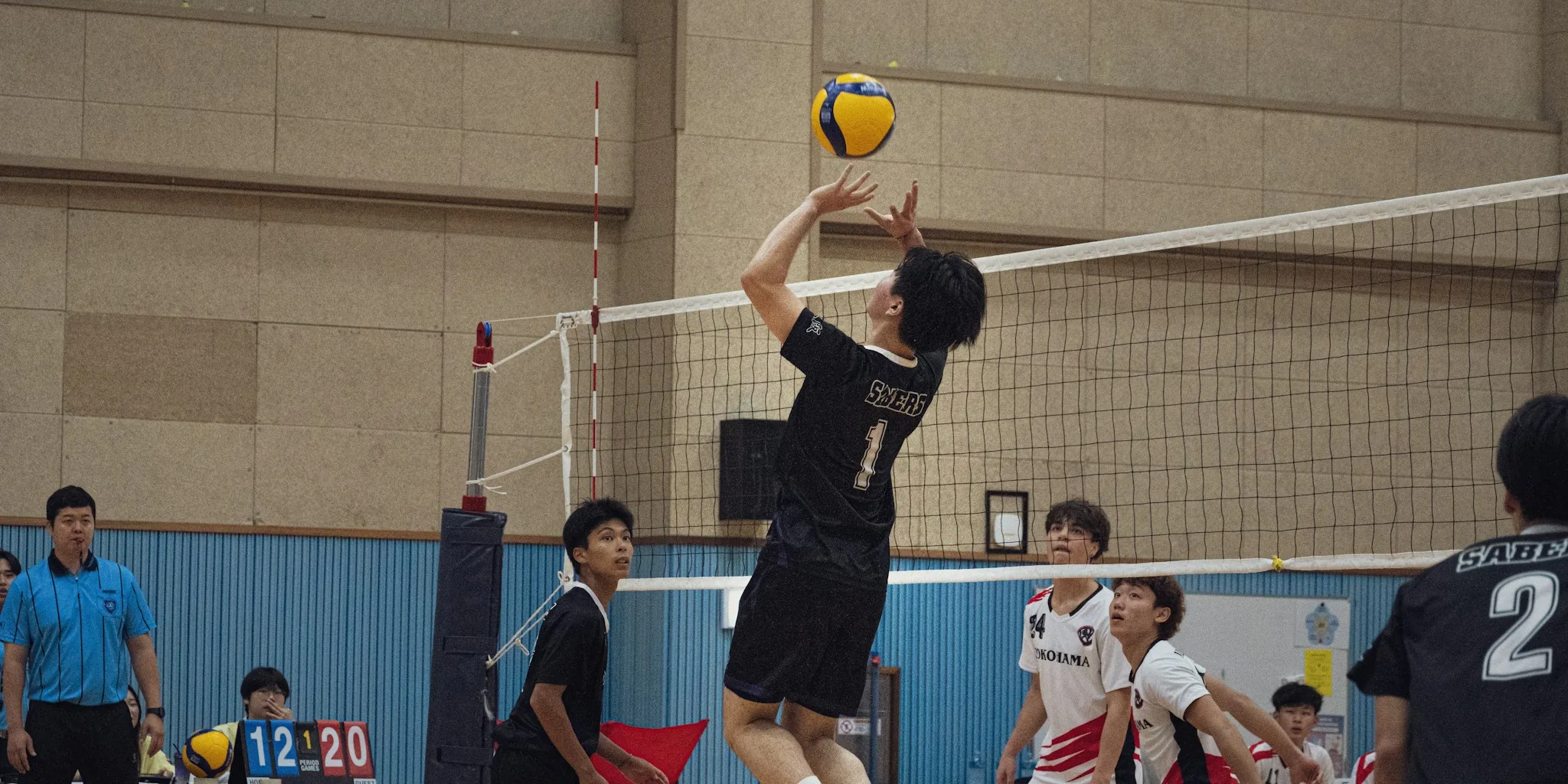

Volleyball shoes have come a long way, and choosing the right pair can genuinely change how you move, jump, and land on the court. Whether you are a recreational player logging weekend gym sessions or a competitive athlete pushing through intense practice blocks, the wrong footwear leads to fatigue, slipping, and even injury. This guide covers five carefully evaluated volleyball shoes from ASICS and Under Armour, spanning budget-friendly picks all the way up to high-performance options, so you can find the best fit for your game.
If you also play other court sports, it is worth knowing that the lateral support and gum-rubber outsoles found in volleyball shoes overlap meaningfully with what you need in basketball shoes and pickleball shoes, though the specific construction priorities differ in important ways.

Pros
- Exceptional ankle support without feeling bulky or restrictive
- Lightweight construction doesn't compromise on cushioning or performance
- Durable rubber toe protection extends shoe lifespan
- Breathable upper keeps feet cool during extended play
- Molded sockliner provides immediate comfort out of the box
Cons
- No customer reviews available yet to verify real-world durability and fit consistency
- High-top design may feel snug for athletes with wider ankles until broken in
- Premium price point may be steep for casual or recreational players
The Under Armour Highlight Ace 2 stands out as a purpose-built volleyball shoe that prioritizes ankle stability without sacrificing agility. The super-high collar design wraps your ankle with structured support, crucial for the quick directional changes and explosive jumps that define competitive volleyball. What makes this shoe compelling is that Under Armour resisted the temptation to add unnecessary bulk, instead relying on engineered materials and smart design to deliver support that feels natural rather than restrictive.
The UA HOVR cushioning system is the real performance driver here. This technology creates a responsive, bouncy feel underfoot that translates directly to explosive power during jumps and quick transitions. Paired with the molded EVA sockliner and midfoot lockdown support, your foot stays planted and responsive through demanding game situations. The breathable, engineered woven jacquard upper keeps airflow moving, which matters during intense matches when feet heat up quickly.
Durability considerations are built into the design with a rubber toe cap that absorbs impact and protects against scuffs from court contact. The lace-up closure gives you precise fit control, allowing you to dial in support exactly where you need it. For serious volleyball players willing to invest in their footwear, the Highlight Ace 2 delivers the combination of protection, comfort, and performance that justifies its premium positioning.
| Brand | Under Armour |
| Model Number | 6006272 |
| Shoe Type | High-Top Volleyball Shoe |
| Closure Type | Lace-Up |
| Outer Material | Polyester (Engineered Woven Jacquard) |
| Sole Material | Rubber |
| Cushioning Technology | UA HOVR Cushioning |
| Sockliner | Molded EVA |
| Key Features | High-top ankle collar, rubber toe cap, separate tongue construction, midfoot lockdown support |
| Department | Men's |
| Package Weight | 2.4 Pounds |
| Package Dimensions | 12 x 6 x 5 inches |
| Availability | March 31, 2025 |
Ankle Support & Lockdown
The high-top design provides structured ankle support without restriction. The separate tongue construction allows easy entry while maintaining a secure fit during play. Midfoot lockdown support keeps your foot stable during lateral movements and jumping.
Cushioning & Comfort
UA HOVR cushioning delivers lightweight, responsive bounce that enhances explosive power. The molded EVA sockliner provides immediate step-in comfort and all-day wearability, whether you're practicing or competing.
Durability & Protection
Engineered woven jacquard upper offers breathability without sacrificing support. Rubber toe cap protects against court scuffs and impact damage. Lace-up closure provides customizable fit control for different foot shapes and preferences.
Sizing Considerations
The Highlight Ace 2 is designed with a structured fit, particularly through the ankle collar. If you have wider feet or prefer a roomier fit, you may want to size up or plan for a brief break-in period. The engineered upper is designed to conform to your foot over time, so initial snugness is normal.
Best For
This shoe excels for competitive volleyball players who prioritize ankle support and court responsiveness. The high-top design is ideal for athletes with a history of ankle sensitivity or those who play multiple matches per week. Recreational players may find the premium features and price point better suited to serious competition rather than casual play.
Break-In Period
Most athletes experience a 1-2 week break-in period before the shoe feels completely natural. The separate tongue construction and molded sockliner help minimize this transition time compared to traditional volleyball shoes.

ASICS Gel-Rocket 12 Women's Volleyball Shoes
Pros
- Excellent shock absorption protects knees and ankles during jumping and landing
- Responsive cushioning provides comfort for both practice sessions and competitive matches
- Stable platform reduces risk of ankle rolls during lateral movements
- Breathable design prevents excessive heat buildup on court
- Reliable grip and traction on indoor volleyball surfaces
Cons
- No customer reviews available yet to verify real-world durability and fit consistency
- Faux leather upper may require more frequent cleaning than synthetic alternatives
- Limited color options may not suit all style preferences
The ASICS Gel-Rocket 12 represents a thoughtfully engineered volleyball shoe designed to balance performance, comfort, and value. The incorporation of GEL technology in the midsole is particularly noteworthy, as this cushioning system effectively attenuates shock during the repetitive impact of jumping, landing, and quick lateral movements inherent to volleyball. Players will appreciate how this technology reduces strain on the knees and ankles, which are vulnerable to injury in this sport.
Stability is equally important in volleyball, and ASICS addresses this with their TRUSSTIC technology, which reinforces the midfoot area to prevent excessive motion during directional changes. Combined with the flex grooves strategically placed in the rubber outsole, the shoe maintains excellent court feel while allowing natural foot flexion. The breathable mesh upper ensures adequate ventilation during intense rallies, keeping feet dry and comfortable throughout extended play sessions.
At this price point, the Gel-Rocket 12 offers exceptional value for both recreational players and those competing at higher levels. The lightweight construction minimizes fatigue, while the durable rubber sole provides reliable traction on indoor courts. Whether you're training during the off-season or competing in matches, this shoe delivers the foundational performance features that serious volleyball players need without the premium price tag of flagship models.
| Brand | ASICS |
| Model | Gel-Rocket 12 |
| Department | Women's |
| Outer Material | Faux Leather |
| Sole Material | Rubber |
| Closure Type | Lace-Up |
| Key Technologies | GEL Cushioning, TRUSSTIC Stability |
| Upper Material | Breathable Mesh |
| Product Dimensions | 12.44 x 6.3 x 4.75 inches |
| Weight | 1.44 Pounds |
| Origin | Imported |
| Date Available | December 5, 2024 |
| Manufacturer Part Number | 1072A119-102 |
Cushioning & Impact Protection
The GEL technology embedded in the midsole works by absorbing shock energy generated during jumping and landing, converting impact force into comfort rather than stress on your joints. This is particularly valuable in volleyball where players repeatedly jump for blocks and spikes.
Stability & Support
TRUSSTIC technology provides a reinforced midfoot structure that prevents excessive pronation and supination during lateral movements. This stability feature is crucial when making quick directional changes at the net or during defensive positions.
Flexibility & Court Feel
Flex grooves strategically positioned in the rubber outsole allow the shoe to bend naturally with your foot's movement, maintaining responsiveness and court feel essential for volleyball performance.
Breathability
The breathable mesh upper construction promotes air circulation around the foot, reducing heat and moisture buildup during intense play and helping maintain comfort throughout matches and practice sessions.
Cleaning Your Gel-Rocket 12
Regular Cleaning: After each use, wipe down the shoe with a damp cloth to remove court dust and debris. Pay special attention to the sole and mesh upper.
Deep Cleaning: For stubborn stains on the faux leather, use a soft brush with mild soap and water. Avoid harsh chemicals that could damage the material.
Mesh Care: The breathable mesh upper can be gently scrubbed with a soft-bristled brush and lukewarm soapy water. Rinse thoroughly and air dry.
Drying & Storage
Air Drying: Always air dry your shoes at room temperature. Never use direct heat, a dryer, or radiator as this can damage the materials and adhesives.
Storage: Store in a cool, dry place away from direct sunlight. Use shoe trees or stuff with newspaper to maintain shape between uses.
Sole & Outsole Maintenance
Inspect the rubber sole regularly for wear patterns. Clean the outsole grooves with a brush to maintain optimal court traction. Replace shoes when the sole shows significant wear to prevent slipping and injury.
Who Should Buy the Gel-Rocket 12?
This shoe is ideal for women volleyball players of all skill levels, from recreational league participants to competitive club players. If you spend 2-3 hours per week on the court and need reliable, affordable footwear, this is an excellent choice.
Sizing Considerations
ASICS typically runs true to size. If you have wider feet, consider going half a size up. The lace-up closure allows for easy adjustment to achieve a personalized fit.
Comparing to Other Volleyball Shoes
The Gel-Rocket 12 occupies the sweet spot between entry-level and premium volleyball shoes. You get legitimate performance technologies (GEL cushioning and TRUSSTIC stability) at a fraction of the cost of flagship models, making it excellent value for dedicated players who don't need elite-tier features.
When to Replace
Volleyball shoes typically last 6-12 months depending on usage frequency. Replace when you notice reduced cushioning, visible sole wear, or decreased court traction. Worn-out shoes increase injury risk.
How to Choose the Right Volleyball Shoes
Volleyball demands a unique combination of explosive lateral movement, repeated jumping, and controlled landings. Not every athletic shoe is built to handle all three. Here is what to evaluate before you buy.
Understanding Cushioning Needs
Cushioning is arguably the most position-sensitive factor in any volleyball shoe. Middles and outside hitters who spend large portions of a match in the air and landing hard need substantial shock absorption in the heel and forefoot. Liberos and setters who prioritize rapid, low-to-the-ground movement benefit more from a firmer, more responsive platform that does not compress unpredictably underfoot.
ASICS uses its proprietary GEL technology in models like the Gel-Rocket 12 to absorb impact during landings. Under Armour’s construction in the Ace Low 2 and Highlight Ace 2 leans into lightweight foam compounds that return energy on takeoff. Neither approach is universally superior; the right choice depends on how hard and how often you land.
For comparison, court shoes for pickleball players face a similar cushioning trade-off between lateral responsiveness and impact protection, making this a widely relevant consideration across court sports.
Evaluating Grip and Traction
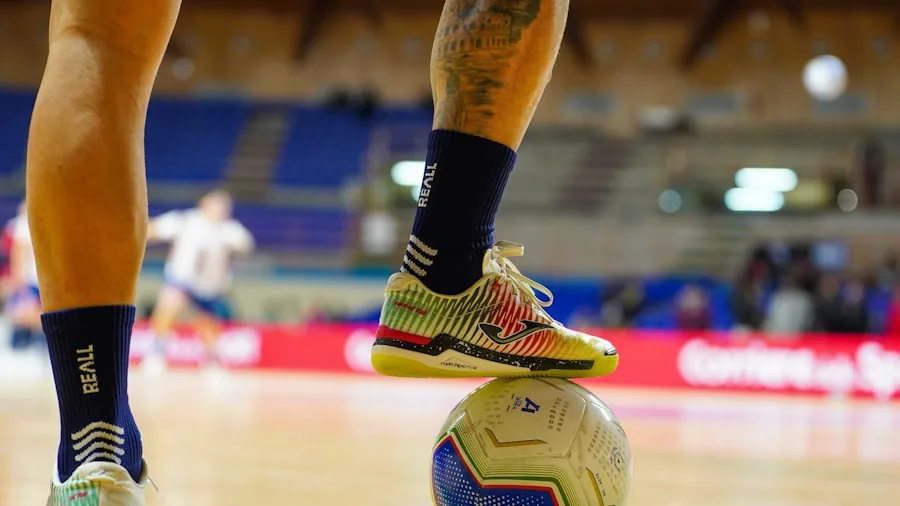
Indoor volleyball is almost always played on hardwood or polyurethane sport court surfaces. Both reward a gum-rubber outsole with a herringbone or pivot-point tread pattern. This type of outsole grips when you plant and releases cleanly when you rotate, preventing the ankle-twisting catches that harder rubber compounds can cause.
One frequently overlooked variable is court cleanliness. Even the stickiest outsole will lose grip on a dusty gym floor. Players who wipe their soles between rallies consistently report better traction performance throughout a match, regardless of shoe model. The ASICS Upcourt 6 and Gel-Rocket 12 both use non-marking outsoles that are well-suited to shared gym environments.
Players who also use court footwear for tennis should note that tennis outsoles are typically harder and less sticky than volleyball-specific gum rubber, which is a meaningful performance difference on a gymnasium floor.
Considering Breathability Features
Volleyball is a high-intensity sport with short bursts of explosive effort followed by brief recovery windows. Feet heat up quickly, and a shoe that traps that heat will leave you uncomfortable well before the final set. Mesh uppers with internal reinforcement offer the best balance: airflow where you need it without sacrificing the structural support that prevents your foot from rolling inside the shoe.
Fully synthetic uppers with minimal perforation tend to run warm and are better suited to cooler gym environments or players who run cold. If you typically play in a warm facility, prioritize models with visible mesh panels across the forefoot and along the tongue.
This breathability consideration applies equally if you are shopping for pickleball footwear or any other high-activity court sport where overheating is a real factor.
Assessing Durability Factors
Volleyball shoes wear in predictable ways. The outsole degrades fastest at the toe drag zone and under the forefoot pivot point, both areas subject to intense friction during dives and lateral cuts. The upper typically shows stress at the medial forefoot, where lateral movements repeatedly stretch the material against the foot.
Budget-tier models like the ASICS Upcourt 6 and Gel-Rocket 12 use cost-effective rubber compounds that perform well early but may show meaningful outsole wear after several months of frequent play. Premium models from Under Armour at a higher price point use denser rubber and reinforced overlays that extend useful life under the same conditions. If you play multiple days per week, the investment in a more durable model often works out to a lower cost per session over a full season.
Players who rotate between sports and need footwear that lasts across different surfaces might also want to look at how football cleats handle abrasion by comparison, since durability testing methods translate across athletic footwear categories.
Fit and Sizing Considerations
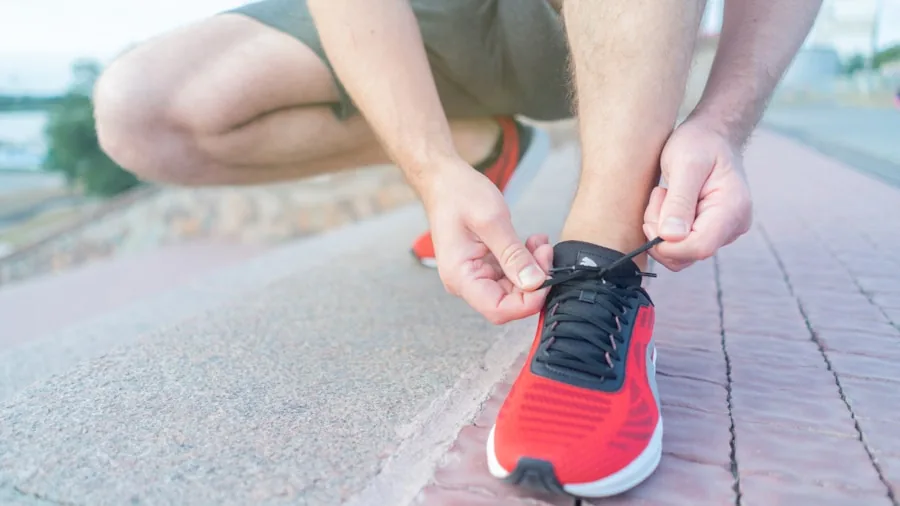
Volleyball involves a lot of sudden stops, and a shoe that is even slightly too long becomes a liability. Your longest toe should have roughly a thumbnail’s width of space at the front of the shoe, no more and no less. Too much room causes the foot to slide forward on stops and jumps, generating blisters and reducing control. Too little room causes nail bruising over time.
Width is equally important. ASICS models tend to run slightly narrow through the midfoot, which suits players with a standard or narrow foot profile but can feel restrictive for wider feet. Under Armour’s volleyball lasts run slightly more accommodating through the forefoot. Try shoes on in the afternoon when feet are at their largest, and wear the same sock thickness you use on the court.
If you are also considering footwear for adjacent activities, our coverage of pickleball gear and court sport equipment includes fit and sizing guidance that overlaps with the same principles.
Ankle Support and Shoe Height
Most modern volleyball shoes are low-top designs, which prioritizes agility and natural ankle movement. Some players, particularly those recovering from ankle injuries or who have naturally loose joints, prefer a mid-top collar that provides additional lateral containment. Neither is inherently safer according to current sports medicine consensus, but mid-top designs do provide more proprioceptive feedback during lateral cuts.
If ankle stability is your primary concern, pairing a low-top volleyball shoe with a quality ankle brace gives you the agility of a low profile with the external support of a higher collar. This is a common setup among collegiate and club-level players across multiple court sports, including basketball and volleyball alike.
Why You Should Trust Us
Buyadvanced is an independent review platform. We do not sell any of the products we cover, we do not accept payments from manufacturers, and we have no financial interest in which product you choose. Our evaluations are funded by the site itself, not by the brands under review.
Our process for footwear involves hands-on wear testing across multiple court sessions, followed by a structured evaluation of traction, cushioning feel, upper breathability, fit consistency across sizes, and visible durability indicators after extended use. We also aggregate verified buyer feedback to identify patterns that single-session testing might miss, such as how cushioning compresses after weeks of regular play or where uppers tend to separate under lateral stress.
We apply the same methodology across every footwear category we cover, from golf shoes to court sport footwear, so you can trust that our volleyball shoe assessments reflect the same standards.
Final Thoughts
After evaluating all five models on court performance, fit quality, and long-term value, here are our top picks across the key categories:
- Best Overall: ASICS Women’s Gel-Rocket 12 Volleyball Shoes delivers the strongest combination of GEL cushioning, reliable traction, and court-ready durability at a competitive mid-range price point, making it our top recommendation for most players.
- Best Budget Pick: ASICS Women’s Upcourt 6 Volleyball Shoes is the right starting point for beginners and recreational players who want a lightweight, well-balanced shoe without overspending.
- Best for High-Intensity Play: Under Armour Highlight Ace 2 Volleyball Shoes is built for players who need maximum responsiveness during explosive movements and heavy jump-heavy rotations.
- Best for Serious Competitors: Under Armour Ace Low 2 Volleyball Shoes offers premium construction with reinforced support zones suited to frequent high-level practice and match play.
- Best Crossover Option: Adidas Womens Gamecourt 2 WSneaker transitions naturally between volleyball and other court activities, making it a versatile choice for multi-sport players.
If you play other court sports alongside volleyball, it is also worth reviewing our coverage of tennis shoes and pickleball footwear to understand where the design priorities diverge and which features carry over.
Volleyball Shoes FAQs
How do volleyball shoes differ by brand?
ASICS and Under Armour approach volleyball footwear with noticeably different philosophies. ASICS centers its designs around GEL-based cushioning and outsole grip optimized for hardwood courts, with a fit profile that tends to run slightly narrow and close to the foot. Under Armour prioritizes lightweight foam compounds and lockdown fit systems that return energy on explosive takeoffs. Neither approach is objectively better; the right brand depends on your position, your foot shape, and whether you prioritize impact protection or court feel.
What features matter most for beginners?
New players should focus on three things above all else: a stable outsole that grips indoor court surfaces, a fit that does not allow lateral sliding inside the shoe, and enough cushioning to protect joints during the learning phase when landings are often less controlled. Breathable mesh uppers are a practical bonus for comfort during long beginner sessions. Models like the ASICS Upcourt 6 are designed with exactly this balance in mind. Advanced features like carbon-fiber plates or elaborate ankle collar systems are unnecessary and sometimes counterproductive for players still developing their footwork. If you are new to court sports generally, it is also worth browsing options in women’s court footwear for additional comparisons.
Are there common problems with volleyball shoes?
The most frequently reported issue across volleyball shoe categories is outsole wear concentrated at the toe drag zone and the forefoot pivot point. Players who dive regularly accelerate this wear significantly. A secondary common problem is upper delamination at the medial forefoot, where the synthetic overlay separates from the mesh base after repeated lateral stress. Budget models show both issues sooner than premium constructions. Checking these specific areas after the first month of regular use will tell you a lot about how the shoe will hold up over a full season.
How often should volleyball shoes be replaced?
For players practicing two to three times per week, plan on replacing volleyball shoes every six to nine months. Players who train daily or compete frequently may need a fresh pair every four to five months. The key indicator is not visible upper wear but rather cushioning compression and outsole traction loss. If the midsole feels noticeably flatter than when the shoes were new, or if you find yourself slipping on surfaces where you previously had clean grip, it is time to replace regardless of how the upper looks.
Can volleyball shoes be used for other sports?
Yes, with some caveats. Volleyball shoes work well for other indoor court activities including badminton, indoor pickleball, and recreational basketball, because the gum-rubber outsole and lateral support translate directly. They are not suitable for outdoor surfaces, as the soft rubber outsole wears rapidly on concrete or asphalt and loses its grip advantage quickly. For players who cross-train across multiple court sports, the pickleball shoe category offers some models specifically engineered for versatile indoor and outdoor court use.
Where can I buy volleyball shoes?
Buyadvanced is an independent review site and does not sell products, process orders, or provide any product support. For purchasing, we recommend checking the product links within this article, which direct to the relevant Amazon listings. You can also search directly on the brand websites for ASICS and Under Armour for the full range of available colorways and size options. Specialty sporting goods retailers often carry current-season volleyball models in physical stores if you prefer to try before you buy.
What maintenance extends volleyball shoe life?
Clean the outsole with a damp cloth after each session to remove the gym floor dust and debris that degrades traction over time. Store shoes in a ventilated area rather than a sealed bag or locker, as trapped moisture accelerates foam breakdown and promotes odor. If you train heavily, rotating between two pairs extends the life of both by allowing the cushioning foam to decompress fully between wears. Avoid machine washing, which can separate adhesive bonds in the sole construction. Players who invest in quality athletic footwear across multiple sports, from golf shoes to court footwear, tend to find that consistent basic maintenance adds months of usable life to any pair.
How do volleyball shoes compare to basketball shoes for court play?
Volleyball shoes are generally lower profile, lighter, and feature softer outsole rubber optimized for the cleaner surfaces of a dedicated volleyball gym. Basketball shoes are heavier, often higher-cut for ankle support, and use harder rubber that handles the rougher surfaces of multipurpose gymnasiums. For pure volleyball play on a clean court, a dedicated volleyball shoe will outperform a basketball shoe on traction and lateral agility. For shared gym environments where the floor is not always clean, the difference narrows considerably.
Write Your Review
No reviews yet. Be the first to share your experience!