

Finding the right balance bike for your child is one of the most rewarding early purchases you can make. These pedal-free bikes help toddlers and preschoolers develop coordination, steering instincts, and confidence on two wheels, often making the eventual switch to a pedal bike far smoother than training wheels ever could. Whether you are shopping for a one-year-old just finding their footing or a five-year-old ready for a bigger challenge, the options from brands like Strider, SEREED, KRIDDO, Bicystar, Radio Flyer, and Umatoll span a wide range of sizes, materials, and price points.
We reviewed 7 balance bikes for October 2026, focusing on real-world riding performance, adjustability, durability, and how well each model supports early motor skill development. If you are also looking at other ways to keep kids active and moving, our roundup of kids scooters and backyard trampolines cover some excellent complementary options.

Pros
- Quick-release adjustment mechanism requires no tools, making seat and handlebar changes effortless
- Lightweight design enables independent pushing and pulling for developing toddlers
- Airless EVA foam tires are puncture-proof, quiet, and safe for indoor use
- Wide, sturdy frame with soft saddle and rubber grips prioritizes comfort and safety
- Customizable plate and stickers encourage creative play and ownership
Cons
- No braking system means children rely entirely on foot dragging to stop
- Assembly is required out of the box, though instructions are included
- No pedals means this is strictly a balance bike, not a pedal-powered tricycle
The SEREED balance bike delivers on its core promise: helping toddlers develop balance and steering confidence before graduating to pedal bikes. The carbon steel frame is impressively sturdy, supporting children up to 110 pounds, while the lightweight 7.8-pound design ensures kids can independently push, pull, and maneuver the bike without excessive effort. The adjustable seat and handlebar heights (12.6-17.1 inches and 19.6-22.5 inches respectively) accommodate growth across the 2-5 year age range, and the tool-free quick-release mechanism makes adjustments simple for parents.
Ride quality stands out as a significant strength. The EVA foam airless tires are noiseless, puncture-proof, and anti-slip, making them ideal for both outdoor exploration and indoor play without floor damage. The soft saddle, rubber grips, and safe footrest pad prioritize comfort and safety during extended riding sessions. The bike's portability is genuinely useful, fitting easily into car trunks for family outings and adventures.
One practical consideration is the absence of brakes, which means children must use foot dragging to slow down and stop. This is typical for balance bikes and encourages natural deceleration learning, but parents should supervise younger or less coordinated toddlers. The customizable plate and included stickers add an engaging personalization element that encourages ownership and creative play.
| Specification | Details |
|---|---|
| Brand | SEREED |
| Model Number | NA07127 |
| Bike Type | Balance Bike (No Pedals) |
| Age Range | 2-5 Years Old |
| Frame Material | Carbon Steel |
| Wheel Material | Ethylene Vinyl Acetate (EVA) Foam |
| Wheel Size | 11 Inches |
| Seat Material | Rubber |
| Weight Capacity | 110 Pounds |
| Bike Weight | 7.8 Pounds |
| Seat Height Range | 12.6 - 17.1 Inches (Adjustable) |
| Handlebar Height Range | 19.6 - 22.5 Inches (Adjustable) |
| Minimum User Height | 13 Inches |
| Brake Style | No Brakes (Foot Dragging) |
| Number of Speeds | 1 |
| Suspension Type | Rigid |
| Power Source | Manual (Foot-Powered) |
| Color | White |
| Dimensions | 32.28 x 14.96 x 22.44 Inches |
| Assembly Required | Yes |
| Included Components | Balance Bike, Customizable Plate, 3 Sticker Sheets, User Manual |
| Warranty | 2-Year Manufacturer Warranty |
Is This Balance Bike Right for Your Child?
Best For: Toddlers ages 2-5 who are ready to learn balance and coordination before pedal bikes. Ideal for children with minimum height of 13 inches up to 110 pounds.
Ideal Scenarios: Families wanting a lightweight, portable bike for parks and outdoor adventures. Parents seeking a tool-free, adjustable option that grows with their child. Homes with both indoor and outdoor riding spaces, since EVA tires won't scratch floors.
Consider Alternatives If: Your child already has strong pedaling skills and needs a pedal-powered tricycle. You require a braking system beyond foot dragging. Your child is under 2 years old or significantly taller than average for their age.
Setup Tips: Assembly is straightforward but required. Allow 15-20 minutes for initial setup. Use the tool-free adjustment mechanism to set seat height so your child's feet can touch the ground comfortably while seated. Check adjustments monthly as your child grows.
How Balance Bikes Support Early Childhood Development
Balance & Coordination: Balance bikes teach children to maintain equilibrium and steer simultaneously, building core strength and proprioception without the complexity of pedaling.
Confidence Building: The ability to touch the ground with both feet gives toddlers security and independence, encouraging self-directed exploration and risk-taking in safe environments.
Smooth Transition to Pedal Bikes: Children who master balance bikes typically transition to pedal bikes more quickly and confidently, as they already understand steering and balance mechanics.
Physical Activity: Balance bikes encourage outdoor play and movement, supporting healthy development and establishing lifelong exercise habits from an early age.
Independence & Play: The lightweight design allows toddlers to push, pull, and maneuver independently, fostering autonomy and reducing parent assistance needs.

Pros
- Lightweight construction makes it easy for toddlers to maneuver and build confidence
- Adjustable components accommodate a wide age range without needing to upgrade
- Flat-free tires eliminate maintenance concerns and work on grass, gravel, and pavement
- Padded seat and mini grips reduce fatigue and provide comfort during extended riding
- Quick assembly with included tools means no frustrating setup delays
Cons
- Steel frame is heavier than aluminum alternatives, though still manageable for young riders
- No pedal kit compatibility limits options if you want to convert to a pedal bike later
- Price point is premium compared to budget balance bike options from other brands
The Strider 12" Sport balance bike addresses a fundamental challenge in early childhood development: teaching kids to ride with balance and coordination before introducing pedals. This model excels at its core purpose through thoughtful design choices. The adjustable seat height (11-17 inches) and handlebar positioning grow with your child across the 1-4 year range, making it a long-term investment rather than a quick phase toy. The lightweight 6.7 lb steel frame strikes a practical balance between durability and manageability for toddlers who are still developing strength and motor control.
Practical features set this bike apart for real-world family use. The flat-free foam rubber tires eliminate the frustration of punctures and maintenance while performing reliably on mixed terrain from park grass to gravel driveways. The padded ergonomic seat cushions longer riding sessions, and the mini grips are genuinely sized for small hands rather than being token afterthoughts. Tool-free assembly and adjustments mean parents can get their child riding within minutes, and height adjustments stay simple as kids grow without requiring trips to a bike shop.
Parents considering a balance bike should evaluate the Strider 12" Sport as a serious option for accelerating riding skill development. The 2-year manufacturer warranty provides confidence in quality, and the 60 lb weight capacity ensures years of use. While the price sits at the premium end of the balance bike market and the steel frame is heavier than some aluminum competitors, the combination of durability, adjustability, and thoughtful toddler-specific design justifies the investment for families committed to introducing their young children to cycling early.
| Bike Type | Balance Bike (No Pedals) |
| Wheel Size | 12 Inches |
| Frame Material | Alloy Steel |
| Wheel Material | Foam Rubber (Flat-Free) |
| Seat Type | Polypropylene Padded Performance Seat |
| Bike Weight | 6.7 lbs (3.0 kg) |
| Seat Height Range | 11-17 inches (28-43 cm) |
| Child's Inseam Range | 12-18 inches (31-46 cm) |
| Recommended Age | 1-4 Years |
| Maximum Rider Weight | 60 lbs (27 kg) |
| Number of Handles | 2 |
| Brake System | None (Foot Braking) |
| Assembly Required | Yes (Tool-Free) |
| Warranty | 2-Year Manufacturer Warranty |
| Color | Blue |
| Model Number | ST-S4BL |
Is This the Right Balance Bike for Your Child?
The Strider 12" Sport fits children with an inseam of 12-18 inches, which typically corresponds to ages 1-4 years. To determine fit, have your child stand barefoot and measure from the floor to the inside of their thigh. Compare this measurement to the inseam range. If your child is at the upper end of this range or has a longer inseam, the 14x model (16-23 inch inseam) may be more appropriate.
Balance Bikes vs. Training Wheels
Balance bikes teach children to develop core riding skills (balance, coordination, steering) without the training wheels approach. Children using balance bikes typically transition to pedal bikes more smoothly because they already understand balance mechanics. The Strider 12" Sport emphasizes this learning progression through its lightweight design and low center of gravity.
Setup and Maintenance Tips
Assembly takes 15-20 minutes with included tools. Adjust the seat so your child's feet touch the ground when seated, allowing them to push and brake with their feet. The flat-free tires require no inflation or maintenance but should be visually inspected occasionally for debris. Store indoors to extend tire life. Handlebar and seat adjustments can be made as your child grows without tools.
Strider 12" Sport vs. Other Strider Models
| Feature | 12" Sport | 12" Pro | 14x | 2-in-1 Rocking |
|---|---|---|---|---|
| Age Range | 1-4 years | 1-4 years | 3-6 years | 6 months-2 years |
| Inseam Range | 12-18 in. | 12-18 in. | 16-23 in. | 8.75-20 in. |
| Bike Weight | 6.7 lbs | 5.6 lbs | 12.5 lbs | 7.1 lbs |
| Frame Material | Steel | Aluminum | Steel | Steel |
| Pedal Kit Compatible | No | No | Yes | No |
Key Differences: The 12" Pro uses lightweight aluminum for a lighter ride but at a higher price point. The 14x accommodates older, taller children and accepts a pedal kit for conversion. The 2-in-1 Rocking offers dual functionality for younger toddlers starting at 6 months. The 12" Sport balances durability, adjustability, and value for the standard 1-4 year age range.

Pros
- Real rubber tires deliver better traction and realistic riding experience compared to foam wheel alternatives
- Excellent adjustability ensures the bike accommodates growth spurts without requiring replacement
- Featherweight design empowers children to control the bike independently and build confidence faster
- Durable carbon steel construction handles active play while remaining portable for family outings
- Natural learning progression teaches balance and steering before transitioning to pedal bikes
Cons
- Rubber air tires require occasional inflation maintenance, unlike maintenance-free foam wheels
- Assembly required at purchase, though tools are included and process is straightforward
- Best suited for children within the 13-22 inch inseam range; may not fit taller or younger riders as effectively
The Bicystar 14-inch balance bike stands out in the crowded toddler bike market by prioritizing real-world riding mechanics. The inflatable rubber tires grip outdoor surfaces like gravel and pavement while rolling smoothly indoors on hardwood or tile, providing the kind of realistic feedback that helps children develop genuine balance instincts. This approach contrasts sharply with foam-wheeled competitors that sacrifice traction and can feel unstable on varied terrain.
What makes this model particularly practical for parents is the thoughtful adjustability. The seat ranges from 13 to 21 inches and handlebars adjust from 21.6 to 24 inches, meaning a single bike genuinely grows with your child across the entire 3-6 age range. The 8.5-pound weight is genuinely light enough that even a 3-year-old can maneuver the bike independently, which accelerates confidence building and reduces parental frustration during learning sessions. The wide carbon steel frame supports up to 110 pounds while the padded seat and soft grips prioritize comfort during extended riding sessions.
The coasting footrest is a thoughtful safety feature that gives young riders a secure place to rest their feet while gaining momentum, reducing the tendency to drag feet on the ground. Assembly takes roughly 15-20 minutes with the included tools, and most parents report the process straightforward. The warranty structure (8 years on frame, 2 years on tires, 1 year on parts) reflects manufacturer confidence in durability and provides meaningful protection for your investment.
| Specification | Details |
|---|---|
| Bike Type | Balance Bike (No Pedals) |
| Wheel Size | 14 Inches |
| Wheel Material | Alloy Steel with Real Rubber Air Tires |
| Frame Material | Carbon Steel |
| Weight Capacity | 110 Pounds |
| Bike Weight | 8.5 Pounds |
| Seat Height Range | 13 to 21 Inches (Adjustable) |
| Handlebar Height Range | 21.6 to 24 Inches (Adjustable) |
| Recommended Age Range | 3 to 6 Years |
| Inseam Range | 13.5 to 22 Inches |
| Brake Type | Coaster Brake with Footrest |
| Assembly Required | Yes (Tools Included) |
| Color Options | Blue, Dark Blue |
| Frame Warranty | 8 Years |
| Tire Warranty | 2 Years |
| Parts Warranty | 1 Year |
| Model Number | KB-BL04 |
Is This Balance Bike Right for Your Child?
Perfect For: Children ages 3-6 with inseams between 13.5 and 22 inches who are ready to learn balance and steering before transitioning to pedal bikes. Ideal if your child struggles with traditional training wheels or needs a lightweight bike they can control independently.
Consider Alternatives If: Your child is significantly taller than average (inseam above 22 inches) or younger than 3 years old. For children under 2.5 years, Bicystar offers smaller 12-inch models. For older children (5-8 years), the 16-inch balance bike may be more appropriate.
Key Buying Considerations
Tire Maintenance: Real rubber tires require periodic inflation checks (typically monthly). If you prefer zero-maintenance options, foam-wheel bikes eliminate this responsibility but sacrifice traction and realism.
Adjustability Timeline: The generous adjustment range means this bike lasts through multiple growth phases. Measure your child's inseam before purchasing to confirm fit within the 13.5-22 inch range.
Assembly Time: Plan 15-20 minutes for initial setup with included tools. No special equipment needed beyond what's provided.
Warranty Value: The 8-year frame warranty is exceptional in this category and reflects durable construction. Register your purchase to activate full warranty coverage.
Why Balance Bikes Work Better Than Training Wheels
Balance bikes eliminate the false confidence that training wheels create. Children using training wheels learn to pedal but never develop genuine balance, leading to crashes when wheels are finally removed. Balance bikes teach the fundamental skill first, making the transition to pedal bikes seamless and confidence-building.
Development Milestones
Weeks 1-2: Children typically scooting with feet, building comfort and confidence with the bike's weight and handling.
Weeks 3-8: Gradual lifting of feet, coasting short distances, learning to steer and brake naturally.
Months 3+: Confident coasting, smooth steering, and readiness to transition to pedal bikes with minimal additional training.
Real-World Riding Skills
The Bicystar's real rubber tires teach children how bikes actually behave on varied surfaces. They learn traction, momentum, and weight distribution through genuine feedback rather than the artificial feel of foam wheels. This prepares them for a smooth transition to full-size pedal bikes.

Pros
- Adjustable seat accommodates growth across multiple years without replacement
- Air tires deliver superior ride quality compared to solid plastic wheels
- Lightweight design reduces fatigue and builds toddler confidence quickly
- Classic red design with white wall tires appeals to multiple age groups
- Sturdy steel construction supports active play and outdoor durability
Cons
- Assembly required at purchase, though tool-free seat adjustment saves time later
- Air tires require occasional inflation maintenance to maintain optimal performance
- No reviews available yet to confirm real-world durability feedback
The Radio Flyer Air Ride Balance Bike represents a thoughtful approach to early childhood mobility development. Designed specifically for toddlers ages 18 months through 5 years, this bike removes pedals entirely to allow young riders to focus on the fundamental skill of balance. The 12-inch air-filled rubber tires provide genuine comfort across varied terrain, whether your child is riding on smooth sidewalks, soft grass, or gravel paths. This tire choice distinguishes the Air Ride from budget alternatives using solid plastic wheels, delivering a noticeably smoother gliding experience that encourages longer, more confident riding sessions.
The adjustable seat system is engineered for convenience and longevity. Rather than requiring tools, parents can modify seat height by hand as their child grows, making this bike a practical investment that spans multiple developmental stages. At 7.94 pounds, the lightweight steel frame allows toddlers to maneuver independently while maintaining durability for years of active play. The grip tape applied to the frame serves a practical safety function, giving children's feet a secure spot while learning to glide and balance without pedals.
Radio Flyer's century-long reputation in children's outdoor play adds credibility to this design. The Air Ride includes thoughtful details like a ringing bell that combines safety awareness with interactive fun, and the classic red finish with white wall tires maintains the brand's iconic aesthetic. This balance bike functions as an ideal stepping stone to traditional pedal bikes, building the core balance and coordination skills that make pedaling feel natural when children are ready to progress.
| Bike Type | Balance Bike (Pedal-Free) |
| Wheel Size | 12 Inches |
| Wheel Material | Rubber Air Tires |
| Frame Material | Sturdy Steel |
| Weight | 7.94 Pounds |
| Age Range | 18 Months to 5 Years |
| Seat | Tool-Free Adjustable Comfort Seat |
| Color | Red with White Wall Tires |
| Safety Features | Grip Tape on Frame, Ringing Bell, Foot Rest |
| Assembly Required | Yes |
| Model Number | 826AZ |
| Manufacturer | Radio Flyer |
| Best For | Sidewalks, Grass, Gravel Surfaces |
Is This Bike Right for Your Child? The Radio Flyer Air Ride works best for children between 18 months and 5 years old who are ready to develop balance skills. If your toddler can walk confidently and you want to introduce wheeled mobility before pedaling, this bike is an excellent choice. It's particularly suited for families with multiple-year age gaps, since the adjustable seat accommodates growth across that entire range.
Terrain Compatibility This bike excels on sidewalks, driveways, grass, and gravel surfaces thanks to its air-filled tires. If you primarily ride on very rough terrain or mountain trails, the 12-inch wheels may feel limiting. For typical neighborhood and park riding, the terrain versatility is a genuine strength.
Maintenance Expectations Air tires require occasional inflation, similar to traditional bicycle tires. Plan to check tire pressure monthly and inflate as needed. This minor maintenance keeps the ride smooth and extends tire life. The steel frame is durable and requires no special care beyond occasional cleaning.
Transition Planning This bike serves as a bridge to pedal bikes by building balance and coordination. Most children who master the Air Ride transition smoothly to pedal bikes within 6-12 months. The skills developed here directly transfer, making the learning curve for pedaling much shorter.
Safety Features The Radio Flyer Air Ride includes multiple child-focused safety elements. Grip tape on the frame provides a secure foot placement area while gliding, preventing slipping. The ringing bell encourages awareness of surroundings and alerts others to your child's presence. A foot rest supports proper posture and balance development. Always ensure your child wears a helmet while riding, regardless of the bike's safety features.
Tire Maintenance Check air tire pressure every 2-4 weeks during regular riding seasons. Use a standard bicycle pump with a pressure gauge. Properly inflated tires reduce rolling resistance and provide the smooth ride this bike is designed to deliver. Store the bike indoors or under cover during extended periods of non-use to extend tire life.
Frame Care The steel frame requires minimal maintenance. Wipe down with a dry cloth after wet-weather riding to prevent rust. The white wall finish is decorative and may show dirt; gentle cleaning with a damp cloth keeps it looking fresh. Inspect the frame periodically for any damage, and ensure all components remain secure before each riding session.
Assembly Notes While assembly is required, the process is straightforward. The seat adjustment mechanism is tool-free, allowing quick modifications as your child grows. Keep assembly instructions and any included tools in a safe place for future adjustments and maintenance reference.

Pros
- Durable carbon-steel construction with 110 lb weight capacity ensures long-lasting use
- Adjustable components accommodate growth, making it a cost-effective investment for multiple years
- Puncture-resistant tires eliminate maintenance hassles and flat tire worries
- Customizable nameplate adds a personal touch that makes it special for gift-giving
- Soft handlebars and seat prioritize comfort and safety during learning
Cons
- Assembly is required out of the box, which may take 15-30 minutes
- No reviews available yet, so real-world user feedback is limited
- 12-inch wheel size may feel large for children under 24 months despite age range claim
The KRIDDO Balance Bike stands out as a thoughtfully engineered first bicycle for toddlers learning to ride independently. The adjustable seat and handlebar system is genuinely practical, allowing the bike to accommodate children from 18 months through 5 years without requiring replacement. The quick-release mechanism makes adjustments intuitive for parents, and the carbon-steel frame with a 110 lb weight capacity means this bike can handle growth spurts and active play without concern.
Safety and comfort are evident throughout the design. The soft PU seat and rubber grip handlebars reduce discomfort during extended riding sessions, while the extra-thick, puncture-resistant tires provide stable traction on various surfaces. This eliminates the frustration of flat tires and ensures consistent performance whether your child is riding on grass, sidewalks, or pavement. The 6.6 lb weight keeps the bike manageable for toddlers to control and maneuver independently.
The included customizable nameplate with three sets of stickers adds genuine value beyond basic functionality, allowing children to personalize their bike and fostering a sense of ownership. Compliance with US safety standards provides peace of mind for parents. The main consideration is that assembly is required, though the straightforward design should make setup manageable for most users.
| Brand | KRIDDO |
| Model Number | KB002-White |
| Age Range | 18 months to 5 years old |
| Wheel Size | 12 inches |
| Weight Capacity | 110 lbs |
| Frame Material | Carbon Steel |
| Seat Type | Soft PU with adjustable height |
| Handlebars | Rubber grip with adjustable height |
| Tires | Extra-thick, puncture-resistant |
| Product Weight | 6.6 lbs |
| Dimensions | 33.07"L x 14.96"W x 22.05"H |
| Included Accessories | Customizable nameplate, 3 sets of stickers |
| Assembly Required | Yes |
| Warranty | 1 Year Manufacturer |
| Safety Standards | US Safety Standard Compliant |
Is This the Right Balance Bike for Your Child?
The KRIDDO Balance Bike is ideal if you're looking for a no-pedal bicycle to help your toddler develop balance, coordination, and confidence before transitioning to a traditional pedal bike. It's particularly well-suited for children aged 2-4 years who are ready to move beyond tricycles but not yet ready for pedal bikes.
What to Consider Before Buying:
- Your child's height and inseam measurement matter more than age. The adjustable seat accommodates most toddlers in the target range, but measure your child's inseam to ensure proper fit.
- Assembly takes about 15-30 minutes and requires basic tools. Ensure you have time to set it up properly before your child's first ride.
- This bike is best used on relatively flat, smooth surfaces like driveways, parks, and paved paths. It's not designed for steep hills or rocky terrain.
- The customizable nameplate is a nice touch for gift-giving and helps prevent mix-ups at group playdates.
- The puncture-resistant tires are maintenance-free, but you should periodically check tire pressure and inspect the frame for any damage.
Expected Lifespan:
With proper care, this balance bike should provide 2-3 years of active use for a single child, or longer if passed down to younger siblings. The durable carbon-steel construction and adjustable components make it a sound long-term investment.
Safety Features:
- Meets US safety standards for toddler riding equipment
- Soft PU seat and rubber grip handlebars reduce injury risk during falls
- Sturdy carbon-steel frame provides structural integrity during active play
- Wide, stable wheelbase helps prevent tipping
- Puncture-resistant tires reduce the risk of sudden flats that could cause loss of control
Maintenance & Care Instructions:
- Inspect the frame and handlebars monthly for cracks or damage
- Check tire pressure periodically; refer to the manufacturer's guidelines for recommended PSI
- Wipe down the seat and handlebars with a damp cloth to remove dirt and grime
- Ensure all bolts and fasteners remain tight by checking them every few weeks
- Store indoors or under cover during extended periods of non-use to protect the finish
- Do not expose the bike to extreme heat or cold, as this may affect material integrity
- Avoid using harsh chemicals or pressure washers, which can damage the paint and rubber components
Supervision Recommendations:
Always supervise young children while riding. Ensure they wear appropriate protective gear including a helmet, even though this is a low-speed vehicle. Use the bike on flat, obstacle-free surfaces away from traffic and water hazards.
Pros
- Exceptionally light weight makes it easy for toddlers to control and carry themselves
- Safety-first design with closed wheels prevents foot pinching and tipping hazards
- Non-slip, floor-safe TPU wheels allow indoor use without damage
- Durable aluminum construction withstands active toddler use
- Intuitive pedal-free design encourages natural walking-to-gliding progression
Cons
- Assembly required upon arrival, though straightforward for most parents
- Limited to ages 12-24 months, so the growth window is relatively short
- No braking system means parents must supervise on slopes or uneven terrain
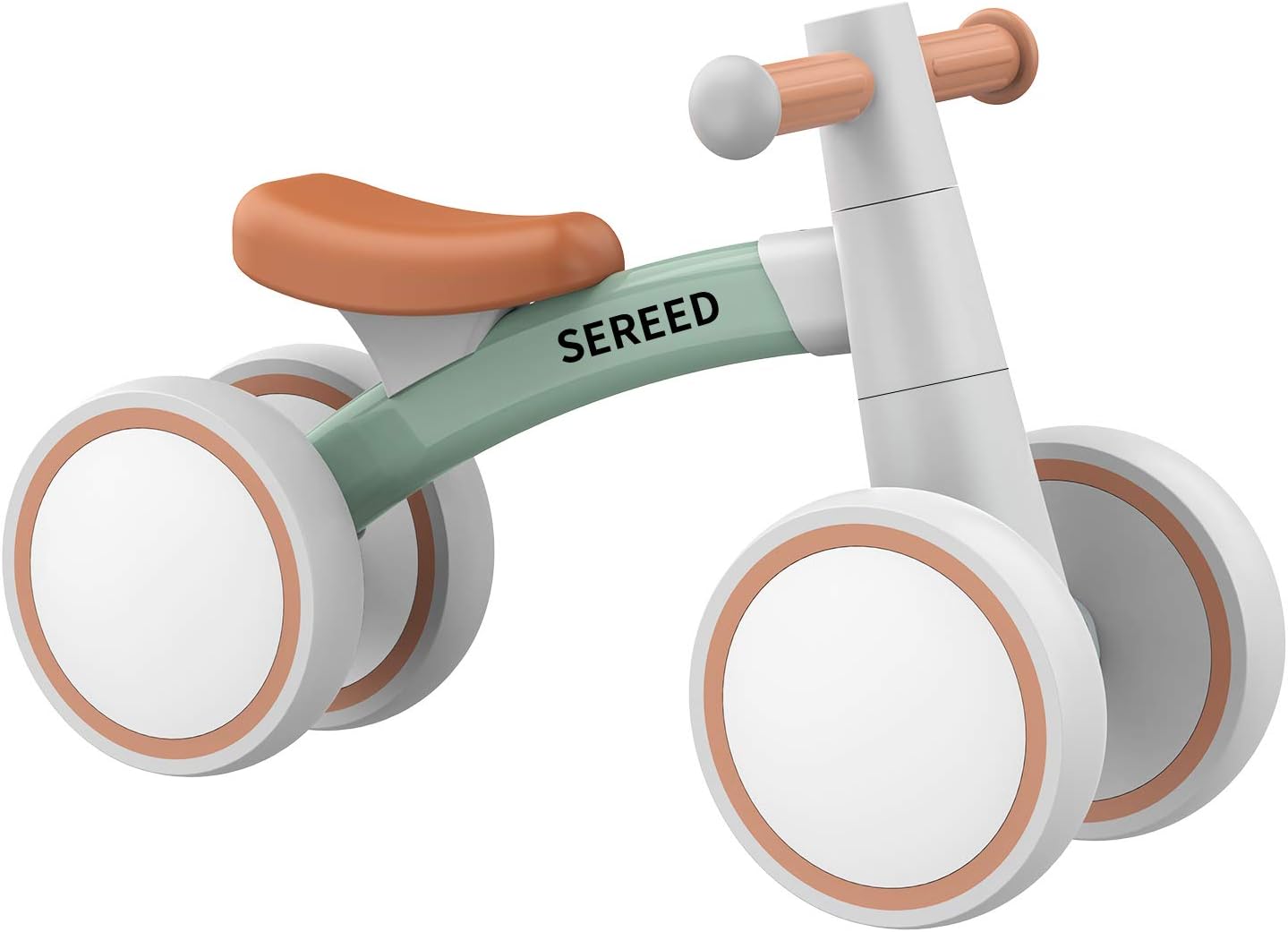
The SEREED Baby Balance Bike represents a smart investment in early childhood development. By eliminating pedals and focusing on foot-propulsion, this design naturally teaches toddlers how their bodies control movement and direction. The lightweight aluminum frame at just 3.5 pounds means even 12-month-olds can maneuver it independently, building confidence and reducing frustration that often comes with heavier ride-on toys.
Safety considerations are thoughtfully integrated throughout the design. The gravity steering system keeps both wheels planted on the ground while limiting turns to 135 degrees, preventing the common tipping accidents that discourage young riders. The closed wheel design eliminates the pinching hazard that concerns many parents with pedal bikes. TPU wheels are non-slip and won't damage indoor floors, giving families flexibility to practice in living rooms or outdoors on driveways and sidewalks.
Durability and comfort justify the mid-range price point. The padded, shock-absorbing seat provides support during longer play sessions, while the sturdy aluminum alloy frame handles the wear and tear of active toddler use. With a 2-year warranty backing the purchase, parents can feel secure in this developmental tool that genuinely helps young children master balance, coordination, and steering during a critical growth window.
| Bike Type | Balance Bike |
| Frame Material | Aluminum Alloy |
| Wheel Material | TPU (Non-slip, Non-damaging) |
| Wheel Size | 6.7 Inches |
| Seat Material | Polypropylene with Padding |
| Weight | 3.5 Pounds |
| Maximum Weight Capacity | 55 Pounds |
| Recommended Age | 12-24 Months |
| Minimum User Height | 18 Inches |
| Number of Wheels | 4 |
| Steering Type | Gravity Steering (135-Degree Limit) |
| Brakes | None (Foot-Propelled) |
| Pedals | None |
| Assembly Required | Yes |
| Warranty | 2-Year Limited Manufacturer |
| Model Number | UD30 |
| Brand | SEREED |
Safety Features
- Closed wheel design prevents foot pinching hazards
- Gravity steering with 135-degree turning limit reduces tipping risk
- Four-wheel base provides stable platform for developing balance
- Non-slip TPU wheels ensure traction on multiple surfaces
- Padded seat with shock absorption protects hips during falls
Care & Maintenance
- Wipe wheels and frame with damp cloth to remove dirt and debris
- Check wheel tightness monthly to ensure safe riding
- Inspect seat padding and frame for wear before each use
- Store indoors during extreme weather to extend product life
- Suitable for both indoor hardwood/tile and outdoor paved surfaces
Is This Right for Your Toddler?
The SEREED balance bike is ideal if your child is between 12-24 months old and at least 18 inches tall. It works best for toddlers who are comfortable sitting upright and can support some of their own weight. If your child is already walking confidently, this bike will accelerate their coordination development.
What to Expect
Most toddlers start by walking while seated, then naturally progress to gliding with feet lifted off the ground. This progression typically takes 2-4 weeks of regular play. The lightweight design means your child can independently move the bike without frustration, which keeps engagement high.
Setup Tips
Assembly takes 15-20 minutes with basic tools. Ensure the seat height allows your child's feet to touch the ground while seated, which is critical for safety and confidence. Start on flat, smooth surfaces indoors before moving to outdoor terrain.

Pros
- Adjustable design accommodates growth from age 2 through 5, providing excellent long-term value
- EVA foam tires eliminate flat tire worries and reduce maintenance compared to air-filled alternatives
- No-tool adjustment system makes seat height changes quick and hassle-free as your child grows
- Lightweight carbon steel frame gives kids the confidence to push and control the bike independently
- Includes 1-year manufacturer warranty providing peace of mind on your investment
Cons
- No braking system means parents must supervise riding in areas where stopping ability is critical
- Best suited for paved surfaces and urban terrain; performance on rough or uneven ground may be limited
- Assembly is required out of the box, though the process is straightforward and tool-free
The Umatoll UT202 balance bike represents a practical solution for parents introducing toddlers to cycling fundamentals. The adjustable seat and handlebar system allows the bike to accommodate children from 88cm (approximately 2.9 feet) through age 5, making it a smart investment that grows with your child rather than requiring replacement as they develop. The carbon steel frame provides a sturdy foundation while remaining light enough at 3.49 kg for young riders to control independently.
A standout feature is the maintenance-free EVA foam tire system, which eliminates the common frustration of flat tires and air pump maintenance that plagues traditional rubber-tire balance bikes. Combined with the tool-free adjustment mechanism and quick spring buckle assembly, this bike prioritizes parent convenience without sacrificing durability. The soft rubber grips and comfortable seat contribute to a secure, confidence-building riding experience for developing balance and coordination skills.
Parents should note that this balance bike has no braking system, so it's designed primarily for supervised riding on flat, paved surfaces like driveways and parks rather than streets or steep terrain. The lack of brakes is typical for balance bikes in this age range, as young riders typically slow down by dragging their feet. Overall, the Umatoll UT202 delivers solid value for families seeking an affordable, low-maintenance introduction to cycling that supports natural skill development before transitioning to pedal bikes.
| Specification | Details |
|---|---|
| Model | Umatoll UT202 |
| Bike Type | Balance Bike (No Pedals) |
| Age Range | 2-5 Years Old |
| Minimum User Height | 88 cm (approximately 2'11") |
| Frame Material | Carbon Steel |
| Wheel Size | 11 Inches |
| Wheel Material | Ethylene Vinyl Acetate (EVA) Foam |
| Weight | 3.49 kg (7.7 lbs) |
| Color | White |
| Brake Style | None (Foot Drag) |
| Terrain | Paved Roads, Urban Terrain |
| Assembly Required | Yes (Tool-Free) |
| Warranty | 1 Year Manufacturer |
| Included | User Manual |
Is a Balance Bike Right for My Child? Balance bikes are ideal for children ages 2-5 who are developing coordination and motor skills. Unlike tricycles, balance bikes teach kids to balance naturally, making the transition to pedal bikes smoother and faster. The Umatoll UT202 is particularly suited for children who are ready to move beyond push toys but not yet ready for training wheels.
Adjustability and Growth The tool-free adjustment system is a major advantage. As your child grows, you can raise the seat and handlebars in seconds without tools. Check the minimum height requirement of 88 cm to ensure your toddler can touch the ground comfortably while seated, which is essential for safety and confidence.
Maintenance Expectations The EVA foam tires require no inflation or patch repairs, making this bike significantly lower maintenance than air-filled alternatives. Periodically check that bolts remain tight and keep the frame clean. With normal use on paved surfaces, this bike should last through multiple children.
Supervision and Safety Since there are no brakes, this bike is designed for supervised riding in controlled environments like driveways, parks, and playgrounds. Children should wear helmets and protective gear. Avoid streets, steep hills, and rough terrain where braking ability is necessary.
Regular Maintenance Check the seat and handlebar adjustment bolts monthly to ensure they remain tight as your child rides. Wipe down the frame and tires with a damp cloth to remove dirt and debris. No tire inflation or specialized tools are required.
Storage Store the bike indoors or in a covered area to extend frame and component life. While the carbon steel frame is durable, prolonged exposure to harsh weather can cause rust or corrosion over time.
Tire Care The EVA foam tires are puncture-proof and maintenance-free. However, inspect them periodically for cracks or wear. Unlike air-filled tires, EVA tires don't require replacement as frequently but may eventually harden with age and extreme temperature exposure.
Cleaning Use mild soap and water to clean the frame, grips, and seat. Avoid high-pressure washers that could damage components. Dry thoroughly after cleaning to prevent rust on the carbon steel frame.
How to Choose the Right Balance Bike
Balance bikes look simple on the surface, but the differences between models matter more than most parents expect. The sections below break down the key factors that separate a bike a child will love riding for years from one that ends up forgotten in the garage after a few sessions.
Frame Construction and Durability

The frame is the foundation of every balance bike, and it takes more punishment than you might expect. Young riders tip over, drag frames along curbs, and leave bikes outside in rain and humidity. Steel frames are generally heavier but extremely durable and hold up well on rough outdoor terrain. Aluminum alloy frames save meaningful weight, which matters a lot when the rider weighs under 30 pounds and needs to pick the bike up themselves or carry it home.
Weld quality is worth inspecting before purchase. Poorly welded joints can develop cracks under repeated stress, especially at the head tube and seat post junction. Rust resistance is also a practical concern for families in coastal or high-humidity regions. Powder-coated finishes on steel frames provide decent protection, while aluminum naturally resists corrosion without any coating.
If you care about longevity across multiple children, invest in a frame with a proven track record. Just as you would evaluate build quality when choosing convertible car seats or nursery cribs for long-term use, the same principle applies here.
Wheel Size and Tire Type
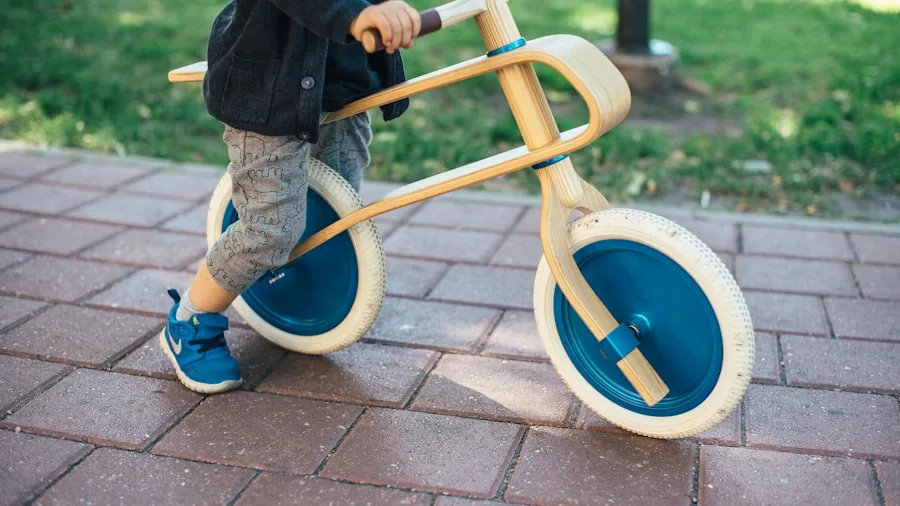
Wheel diameter directly affects how well the bike matches your child’s leg length and riding environment. Bikes with 10-inch wheels are best suited for the youngest riders, typically ages 12 to 24 months, where the goal is simply learning to straddle and push. Twelve-inch wheels are the most common size and cover the broadest age range, roughly 18 months through 4 years. Fourteen-inch wheels like those on the Bicystar model in this list serve older preschoolers and early elementary riders who need more ground clearance and rolling stability on outdoor paths.
Tire type is equally important. Air-filled rubber tires absorb bumps and vibration on pavement, gravel, and grass far better than foam or hard plastic alternatives. They offer noticeably better traction on wet surfaces, which is a meaningful safety benefit. The trade-off is occasional flats, but puncture-resistant versions reduce that concern significantly. Foam tires require zero maintenance but deliver a harsher ride and can feel unstable on anything but smooth indoor floors.
Seat and Handlebar Adjustments
A balance bike is only effective when the rider can place both feet flat on the ground with a slight bend in the knees. If the seat is too high, the child cannot push off confidently. If it is too low, they will not learn the gliding motion that makes balance bikes so effective at building cycling skills.
Look for a generous seat height range with tool-free adjustment, so you can raise the seat as your child grows without needing an Allen key at the park. The same applies to handlebar height. Ergonomic grips with protective bar ends are a small but valuable detail, preventing minor hand injuries during tip-overs. Models with a footrest platform are particularly useful for the gliding phase, allowing kids to lift their feet and practice true balance without touching the ground.
Parents who prioritize adjustability across multiple developmental stages tend to get far more value from their purchase. This is the same logic behind investing in gear like multi-stage car seats that grow with the child rather than single-use products.
Safety Features and Accessories
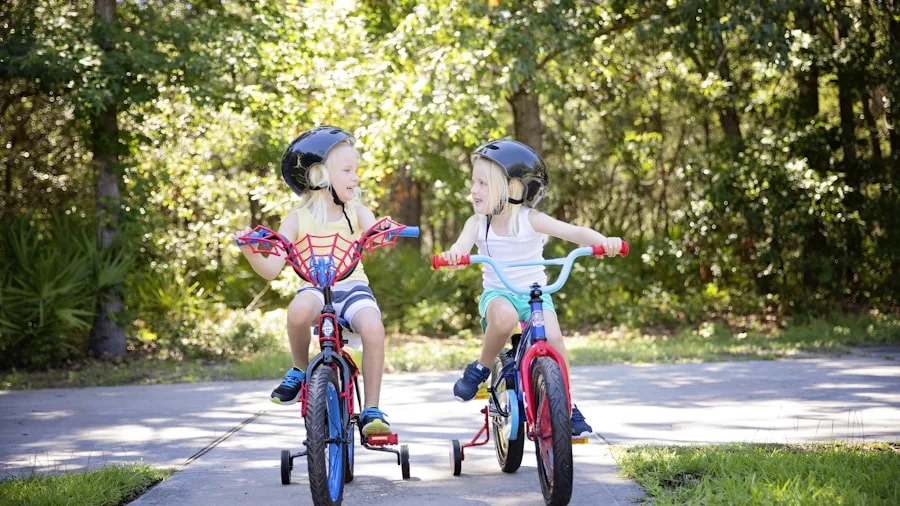
Most balance bikes for toddlers rely on foot braking, which is developmentally appropriate for very young riders who lack the hand strength to squeeze a lever effectively. However, bikes designed for older children, typically ages 3 and up, benefit from an integrated handbrake that starts building the muscle memory needed for pedal bike riding later on.
Beyond braking, check for a steering limiter or turn radius restrictor. This prevents the handlebars from turning a full 90 degrees, which can throw a beginner rider off balance suddenly. Padded seat covers reduce discomfort on longer rides, and included accessories like a bell improve the bike’s appeal to young riders while adding a small measure of awareness for pedestrians.
Regardless of which bike you choose, always pair it with a properly fitted helmet. A quality helmet is non-negotiable for any wheeled activity, just as infant car seats are non-negotiable in vehicles.
Weight Capacity and Age Fit
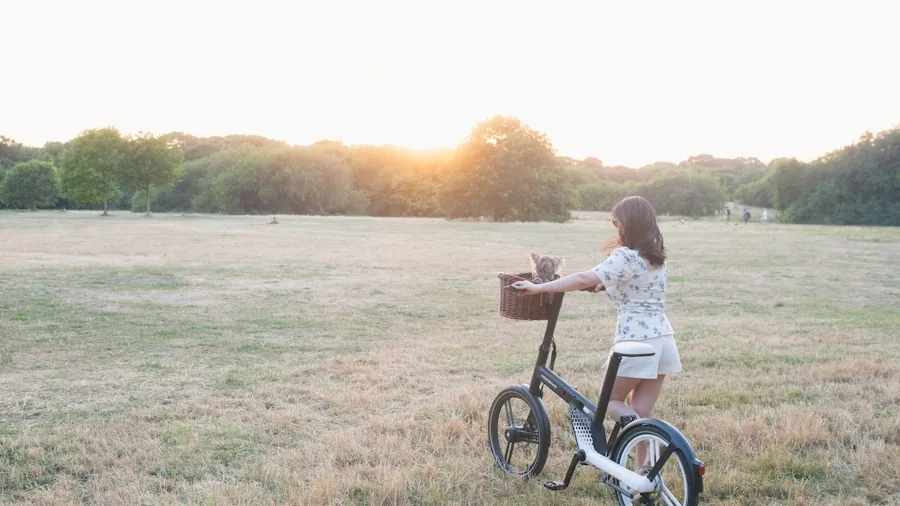
Always check the manufacturer’s stated weight limit before purchasing. A bike rated for riders up to 50 pounds will feel sturdy and responsive for a 30-pound toddler but may flex uncomfortably as the child approaches the limit. As a general rule, choose a model rated for at least 20 percent above your child’s current weight to maintain structural integrity throughout the expected use period.
Age ranges on packaging are a useful starting point but should never replace actual measurements. A tall two-year-old may need a 12-inch wheel bike immediately, while a petite three-year-old might still be best served by a smaller frame. Measure your child’s inseam and compare it directly to the bike’s minimum seat height, making sure there is at least an inch or two of clearance below the seat for comfortable footing.
Getting the fit right from the beginning is critical. An oversized bike undermines confidence and can actually slow down balance development rather than accelerate it. Think of it the same way you would select appropriately sized baby essentials or age-appropriate games, where fit and developmental stage always come first.
Assembly and Ease of Use
Balance bikes are generally straightforward to assemble, but the quality of included hardware and instructions varies widely across brands. The best models require minimal tools, include clearly illustrated instructions, and can be put together in under 15 minutes. Avoid designs where critical adjustments require uncommon tools or where the manual is poorly translated and confusing.
Tool-free mechanisms for seat and handlebar adjustment are a significant convenience advantage for parents who want to fine-tune fit at the park without carrying a toolkit. If you are shopping as a gift, easy assembly is especially important since the recipient may not have access to specialized tools on the day of the occasion.
Why You Should Trust Us
At Buyadvanced, our review process is built around genuine product evaluation rather than manufacturer claims or promotional material. Our team assesses balance bikes across multiple real-world conditions, including paved sidewalks, grass, packed gravel, and indoor play areas, to understand how each model performs for actual families across different American environments.
We evaluate frame rigidity, tire performance, seat adjustment ease, handlebar ergonomics, safety feature quality, and overall value at each price tier. Our scoring methodology uses standardized benchmarks applied consistently across every product in a category, allowing direct comparisons that go beyond surface-level specifications.
Buyadvanced operates completely independently. We do not accept payment, free products in exchange for positive coverage, or affiliate arrangements that compromise our editorial judgment. Every recommendation in this guide reflects honest assessment of what works best for children and the parents who care for them. We apply the same rigorous independence to every category we cover, from baby monitors to everyday strollers.
Final Thoughts
After reviewing all seven models in this guide, here are our top recommendations by category:
- Best Overall: Strider 12" Sport Bike delivers a proven combination of lightweight construction, tool-free adjustability, flat-free tires, and a track record trusted by families across the country for riders aged 1 to 4.
- Best Budget Pick: SEREED Baby Balance Bike is an outstanding entry-level option for families seeking an accessible price point without sacrificing basic safety and stability for 12 to 24-month-old riders.
- Best for Customization: KRIDDO Toddler Balance Bike stands out with its personalized sticker plate system and wide age range coverage from 2 to 5 years, making it a crowd-pleaser for gift-givers.
- Best Air Tire Upgrade: Bicystar 14 Inch Toddler Balance Bike is the top choice for older riders aged 3 to 6 who need real rubber air tires, a footrest, and a larger wheel size for outdoor terrain confidence.
- Best Brand Value for Older Kids: Radio Flyer Air Ride Balance Bike brings trusted brand heritage together with air tires, an adjustable seat, footrest, and a charming ringing bell for kids aged 18 months through 5 years.
For families just starting out, the SEREED Baby Balance Bike offers a low-stakes introduction to two-wheel riding. When you are ready to invest in a bike that will grow with your child through multiple riding stages, the Strider 12" Sport Bike remains the most complete package at this level. And if outdoor adventure on varied terrain is the priority, the Bicystar 14-inch model with air tires delivers a noticeably smoother, more capable ride for bigger kids.
Once your child masters balance biking, a natural next step is exploring kick scooters for added variety, or look at kids headphones and tablets for kids to round out their activity toolkit at home.
Balance Bikes FAQs
What age range suits most balance bike models?
Most balance bikes target children between 18 months and 5 years old, though the specific fit depends more on inseam measurement than age alone. Entry-level four-wheel designs like the SEREED Baby Balance Bike cater to children as young as 12 months, while 14-inch wheel models like the Bicystar serve kids well into early elementary years. Always measure your child’s inseam against the bike’s minimum seat height before purchasing.
Are balance bikes better than training wheels for learning to ride?
Most child development and cycling educators favor balance bikes over training wheels because they teach genuine two-wheel balance from the start rather than creating a dependency on side supports. Children who learn on balance bikes typically transition to pedal bikes faster and with greater confidence. Training wheels can actually teach habits, like leaning into turns with side support, that need to be unlearned later.
Do balance bikes need special maintenance?
Basic upkeep is all that most balance bikes require. Wipe down the frame after muddy sessions, check air tire pressure monthly if your model uses pneumatic tires, and tighten any loose bolts periodically. Buyadvanced is an independent review site and does not provide product support, warranty services, or maintenance assistance for any items reviewed on this site.
Which features matter most for first-time buyers?
For a first balance bike purchase, prioritize correct seat height range for your child’s inseam, tool-free adjustment mechanisms, a stable and lightweight frame, and comfortable grips with bar end protection. Air tires are a meaningful upgrade if your child will be riding outdoors on varied surfaces. Avoid bikes with overly complex features or accessories that add weight without adding developmental value.
Can balance bikes help with motor skill development?
Yes, and the research and practical evidence supporting this is strong. Regular balance bike use builds core stability, bilateral coordination, spatial awareness, and proprioception in young children. Many parents report that consistent practice on a well-fitted balance bike accelerates the transition to pedal cycling by months compared to other approaches. The skills transfer remarkably well because children are learning real balance rather than a supported simulation of it.
What is the difference between two-wheel and four-wheel balance bikes for toddlers?
Four-wheel designs, like the SEREED Baby Balance Bike, offer extra lateral stability for the youngest riders who are still developing basic walking confidence. They serve as a true first step before transitioning to a two-wheel balance bike. Two-wheel models introduce genuine balance challenges and are considered the primary tool for building cycling skills. Most children move to a two-wheel balance bike by age 2 to 2.5 depending on their development.
How do I know when my child is ready to move from a balance bike to a pedal bike?
The clearest sign is when your child can glide with both feet lifted off the ground for several seconds at a time and can steer and brake with reasonable control. At this point, adding pedals is usually a quick and exciting transition rather than a difficult learning process. Most children reach this stage between ages 3 and 5 depending on how frequently they ride and the quality of their balance bike experience.
What other gear should I buy alongside a balance bike?
A properly fitted helmet is the single most important companion purchase. Knee and elbow pads provide additional protection during the early learning phase when tip-overs are frequent. Beyond safety gear, consider pairing the balance bike purchase with other active play equipment. A set of kick scooters for slightly older siblings or a quality trampoline for the backyard keeps the whole family active together.
Are there balance bike options worth considering for bigger or older kids?
Yes. The Bicystar 14-inch model in this guide is specifically designed for children aged 3 to 6 with a taller frame and larger air tires suited to outdoor adventure. For kids who have outgrown standard balance bikes and are ready for the next challenge, three-wheel and kick scooters offer a natural progression path. You can also explore creative LEGO sets and board games for kids to complement active outdoor time with engaging indoor activities.

Write Your Review
No reviews yet. Be the first to share your experience!