


Apple’s Biggest iPhone Launch in Years is Coming in Two Waves
Apple’s next flagship smartphone series is shaping up to be one of its most significant launches in years, but the company is fundamentally changing how it rolls out new models. Instead of releasing all iPhone 18 devices in a single fall event, Apple plans to stagger the launch across two separate timeframes, which changes everything for buyers deciding when to upgrade.
The premium models, iPhone 18 Pro and iPhone 18 Pro Max, are expected to debut in September 2026. However, the more affordable iPhone 18, iPhone 18E, and a second-generation iPhone Air will likely arrive in spring 2027, roughly six months later. This represents a major departure from Apple’s traditional all-in-one fall strategy that has defined iPhone launches for years.
Higher Prices Are Coming Across the Board
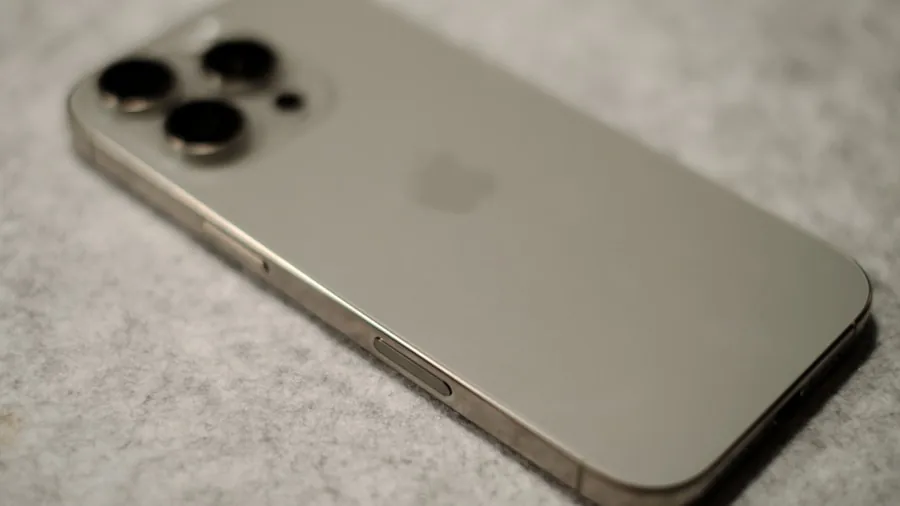
If you’re hoping the iPhone 18 lineup maintains current pricing, you may be disappointed. Apple leadership has already signaled that price increases are on the horizon due to component shortages, particularly expensive memory chips. The company recently raised prices on Macs, iPads, HomePods, and Apple TV models, and the iPhone 18 series appears poised to follow that trend.
The most dramatic price jump will hit the premium tier. Apple’s rumored foldable device, sometimes called the iPhone Ultra or iPhone Fold, is expected to start above $2,000. Even standard iPhone 18 Pro models may cost more than current equivalents. If you’re in the market for the best iPhones for every budget, the iPhone 18 launch offers a broader range of models than ever, but at higher entry points.
Camera Upgrades and Battery Improvements Worth Waiting For
The iPhone 18 Pro and Pro Max are expected to feature variable-aperture camera technology, which allows photographers greater control over depth of field and image brightness, similar to professional DSLR cameras. This mechanical iris technology represents a significant advancement that could deliver noticeably better photos in challenging lighting conditions.
Additionally, all iPhone 18 models except the budget 18E will reportedly receive upgraded 24-megapixel front-facing cameras, a meaningful jump from current models. The telephoto lenses on Pro variants may also feature faster apertures for superior low-light performance.
Battery capacity improvements are another highlight. The iPhone 18 Pro models are rumored to include batteries exceeding 5,000 mAh, which could deliver measurably longer daily usage time. This continues Apple’s recent emphasis on battery performance over extreme thinness, a philosophy customers have welcomed.
The Dynamic Island Gets Smaller
Apple’s distinctive Dynamic Island design element is shrinking on the iPhone 18 models. Multiple sources suggest the notch-like cutout will be approximately 35 percent narrower than current iPhone 17 Pro models. Some reports indicate Apple is incorporating under-display Face ID technology, which would allow a minimal camera pinhole cutout instead of the current larger pill-shaped island.
This visual refinement matters more than it sounds. A smaller, less intrusive camera area makes the screen feel larger and gives the phone a more premium appearance. However, the exact implementation of under-display Face ID remains uncertain, as different sources report conflicting details.
Color Options and Design Changes
The iPhone 18 Pro is expected to come in three new color options: light blue, dark cherry, and dark gray. The design language will remain largely consistent with previous generations, featuring similar screen sizes at 6.3 inches for the standard model and 6.9 inches for the Pro Max. However, the camera bumps are receiving subtle refinements, and the rear glass on Pro models may feature a more unified, less two-tone appearance.
Processing Power and Performance Specs
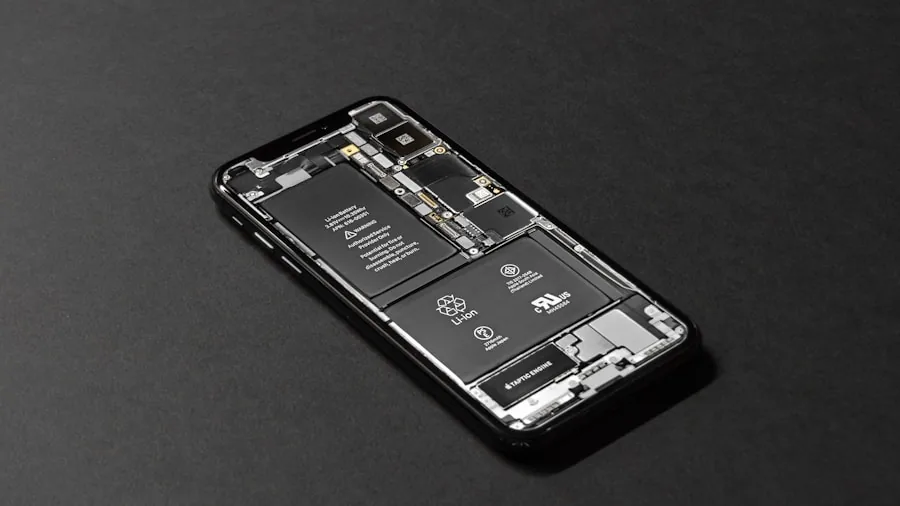
The iPhone 18 lineup will use Apple’s new A20 processor, built on advanced manufacturing that integrates RAM directly onto the same chip as the CPU, GPU, and neural engine. This architectural change should deliver better efficiency and faster performance overall. Additionally, Apple is preparing to support 5G satellite connectivity, potentially giving future iPhones full satellite calling capabilities beyond current emergency-only features.
One area of uncertainty involves RAM amounts. Different analysts project the base iPhone 18 will have either 9GB or 12GB of RAM, depending on how severely global memory shortages impact Apple’s production plans. The company is clearly trying to balance cutting-edge features with manufacturing costs, which directly affects final pricing.
What This Means for Your Upgrade Timeline
If you currently own an iPhone 17 or older model and have been waiting for the next generation, you now face a timing decision. The premium Pro models arrive in fall 2026, but the more affordable iPhone 18 options don’t debut until early 2027. Buyers on a budget should plan accordingly, as a six-month wait separates the launch events.
The staggered release also means inventory and availability could be uneven. By spring 2027, the Pro models will have been on the market for months, potentially making that tier more available if you change your mind during the wait. Whatever you choose, protective iPhone cases should be a priority once you make your purchase, regardless of which model you select.
Apple’s iPhone 18 lineup promises meaningful upgrades in imaging, battery life, and display technology, but at higher prices and on a revised schedule. Planning your purchase around the staggered launch dates and updated pricing will help you make the most informed decision.




Write Your Review
No reviews yet. Be the first to share your experience!