
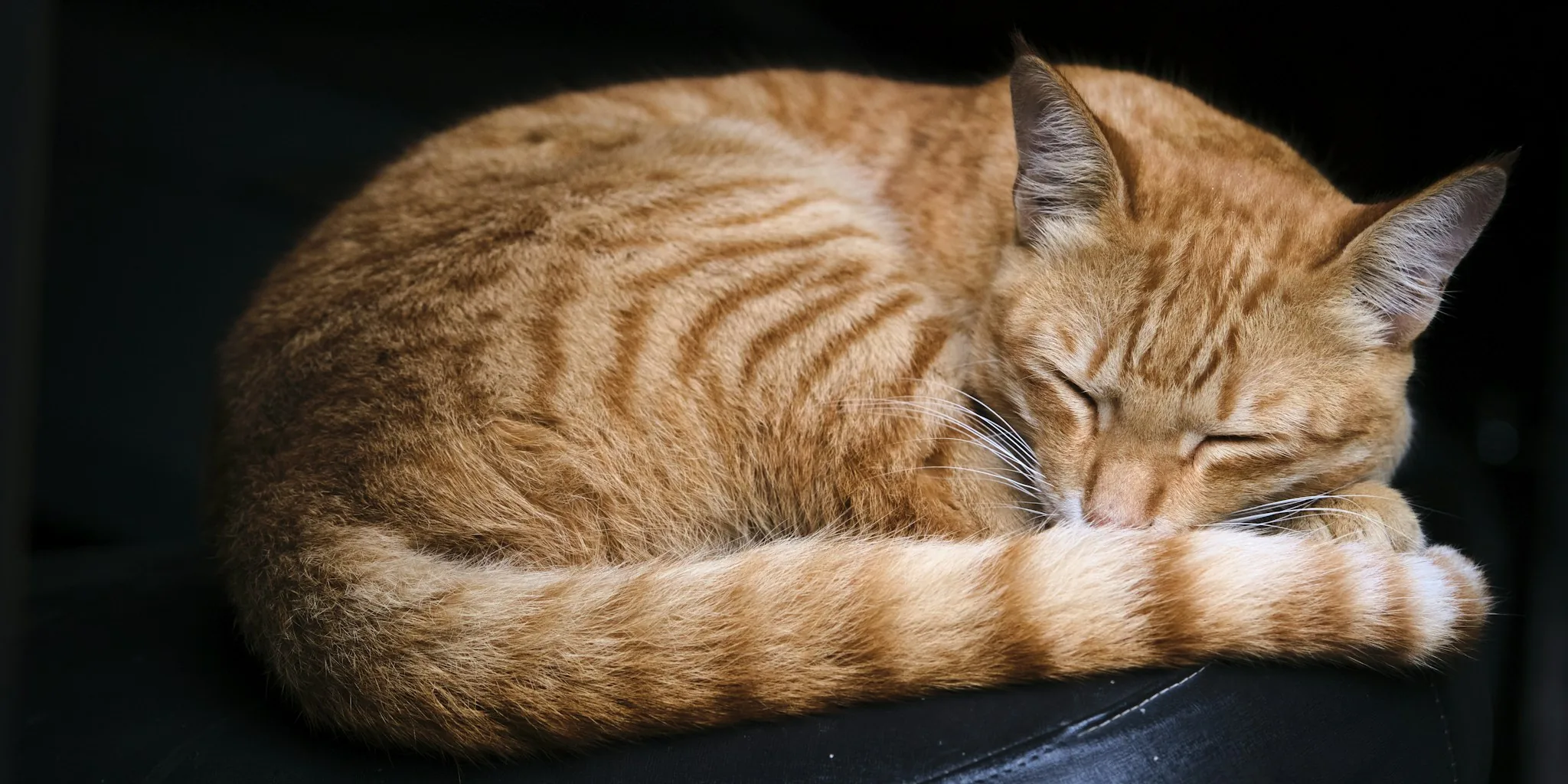

Catster, a popular online community for cat enthusiasts, recently concluded its biweekly photo contest focused on the laziest feline companions. The contest, which ran through mid-July 2026, received numerous submissions from readers showcasing their most sedentary and relaxed cats. Two standout winners emerged from the competition, each demonstrating exceptional laziness in their own unique way.
The contest format invites cat owners to submit photos based on a specific weekly theme. Judges select the three best submissions, and winners are announced every other Monday. This particular competition celebrated cats who have truly mastered the art of doing nothing, with the winning entries providing both humor and relatability for anyone who owns a feline companion.
Meet the Winners: Ash and Lucy
One of the top honorees was Ash, a cat who has apparently decided that every surface in the house serves as a potential napping location. According to the submission, Ash’s daily routine revolves entirely around sleeping, stretching briefly, relocating to a new spot, and then sleeping again. The owner humorously noted that they do not actually own their furniture, but rather Ash permits them to borrow it between naps. This playful observation resonates with countless cat owners who experience similar situations daily.
Lucy, the other featured winner, earned recognition for her distinctive sleeping style and dedication to laziness. The submission highlighted Lucy’s favorite sleeping position, where she rests her head in a particularly relaxed manner that clearly signals her exceptionally sleepy nature. Both cats exemplify the feline ability to find comfort and contentment in complete inactivity.
What the Contest Reveals About Cat Behavior
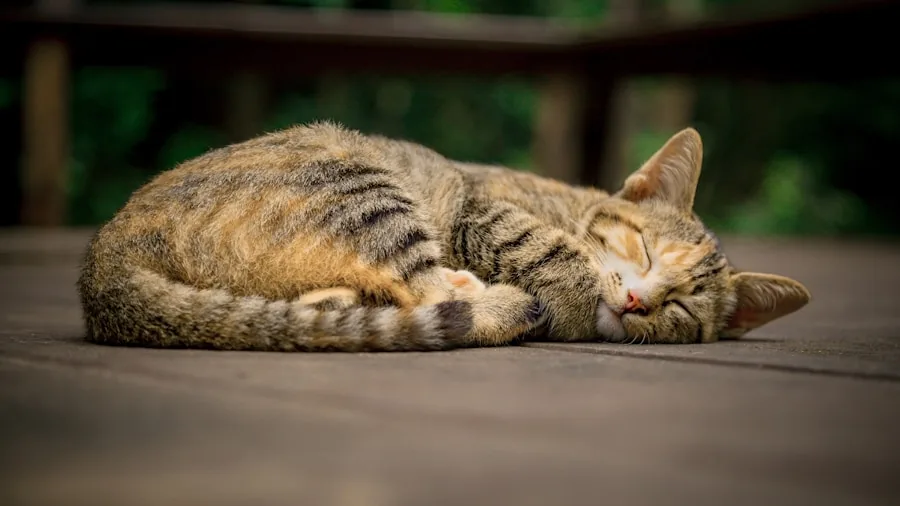
The enthusiasm surrounding a “laziest cat” competition underscores an important truth about feline companions: cats are naturally inclined toward rest and relaxation. Unlike dogs, which often crave activity and engagement, cats have evolved to be efficient sleepers, often resting between 12 and 16 hours per day. This behavior is completely normal and healthy for the species.
Pet owners who worry that their cat sleeps too much can generally set those concerns aside. A lazy cat lounging throughout the day is displaying natural behavior, not a sign of illness or depression, though excessive lethargy combined with other symptoms should always be discussed with a veterinarian.
Implications for Cat Product Shopping
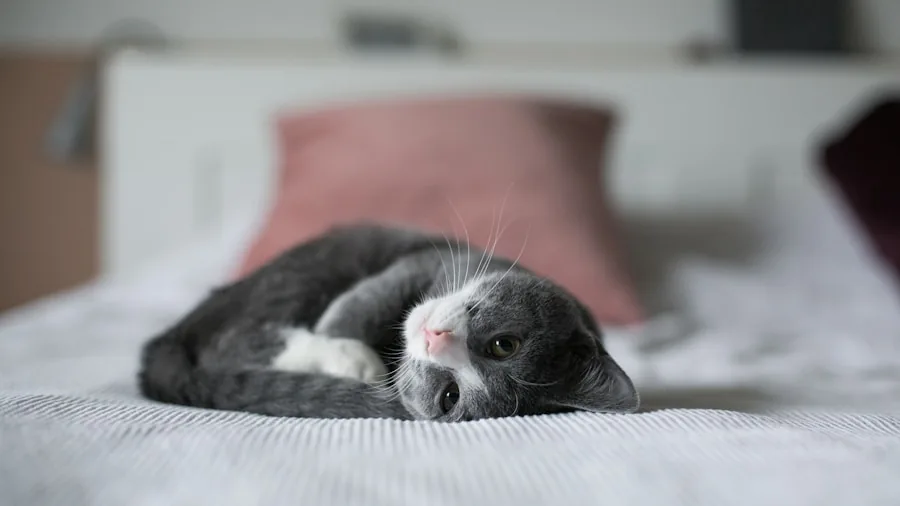
The popularity of a contest celebrating feline laziness has clear implications for consumers shopping for cat supplies. Pet owners increasingly recognize that comfort and proper rest spaces are essential investments in their cat’s quality of life. This awareness is driving demand for specialized products designed to support cats’ natural inclination toward rest and relaxation.
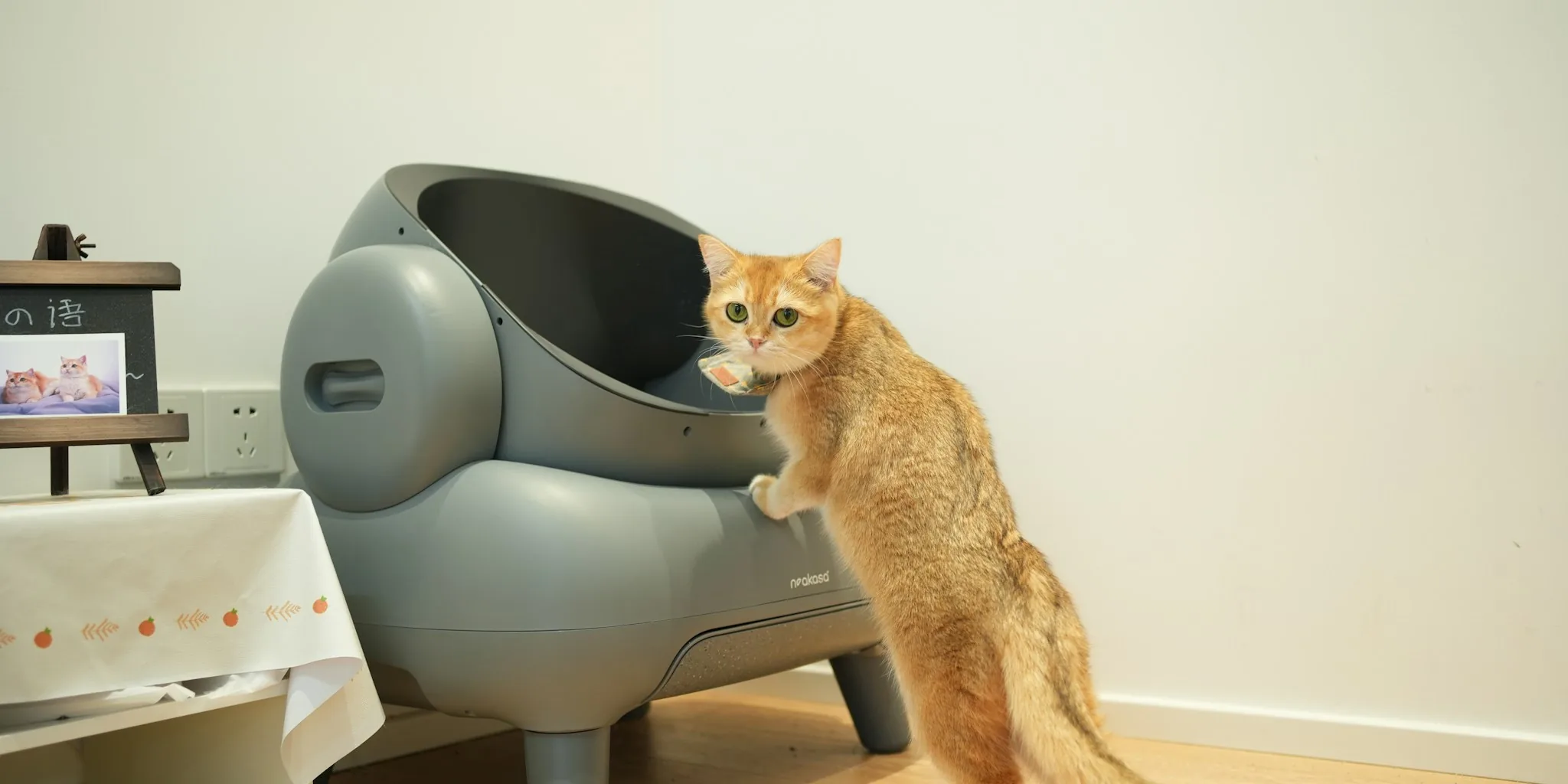
The best cat beds for every budget and style in 2026 have become increasingly popular as owners seek to provide their cats with designated comfortable spaces. Similarly, understanding your cat’s behavior helps when selecting other essential items. The best cat litter boxes we recommend for every budget should be positioned in quiet areas away from your cat’s sleeping zones, respecting their natural preferences for separate bathroom and rest spaces.
Beyond bedding and litter facilities, cat owners are also investing in enrichment products that balance rest with healthy activity. The best cat water fountains we recommend for 2026 encourage hydration and gentle movement without requiring strenuous activity, making them ideal for cats who prefer leisurely lifestyles.
The Community Response and Looking Forward
The strong participation in this contest demonstrates that cat owners find genuine joy in celebrating their pets’ unique personalities and quirks. Rather than viewing laziness as a flaw, the community embraces it as an endearing trait worthy of recognition and celebration.
The next contest theme announced is “Cats in Action,” encouraging submissions showcasing felines engaged in more dynamic behavior. This shift in theme creates an interesting contrast and allows the community to celebrate the full range of cat personalities, from the dedicated nappers to the occasional energetic jumpers and climbers.
For shoppers, these contests serve as informal market research. They highlight what cat owners truly value and enjoy about their companions, which in turn influences product development and purchasing decisions. As the pet industry continues to evolve, products that support both lazy lounging and occasional active play will likely see increased consumer interest.
Write Your Review
No reviews yet. Be the first to share your experience!