

Philips, the renowned smart lighting manufacturer, is preparing to enter a space that competitors have already been exploring for years. The company is rumored to announce a new camera-based device designed to sync your TV’s colors with surrounding smart lights, potentially arriving later in 2026. This development could reshape how consumers approach immersive home entertainment setups.
What Philips Is Planning
Industry insiders spotted details about a device tentatively called the Sync Screen, which would feature an integrated camera mounted atop your television or monitor. Unlike previous Philips Hue solutions that required an HDMI-connected sync box, this camera-based approach analyzes the colors displayed on your screen in real-time and mirrors those hues to backlit smart bulbs positioned behind your display. The system would likely feature a wide-angle fish-eye lens to capture your entire screen, regardless of TV size.
A key advantage of this design is that it eliminates the need for a separate HDMI sync box, potentially lowering overall system costs. Users would still require a Philips Hue Bridge to connect all components, but the streamlined setup could make the solution more accessible and easier to install than current alternatives.
Why This Matters for TV Enthusiasts
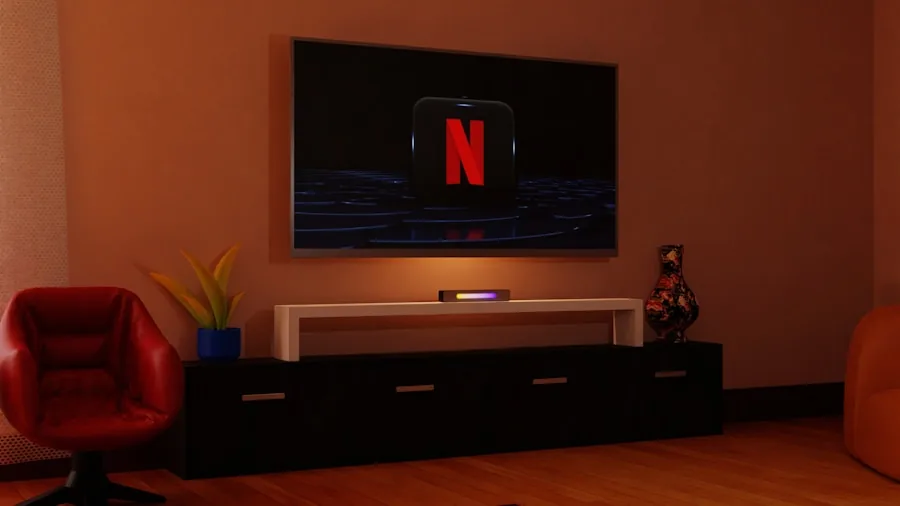
Camera-based TV lighting systems create an immersive viewing experience by extending screen colors onto your walls. When watching movies, playing games, or streaming shows, the backlit effects enhance visual depth and engagement. Smart TVs paired with intelligent lighting systems are becoming increasingly popular for home theater setups, and this new option from Philips could democratize the technology for more households.
The elimination of subscription requirements and proprietary hardware represents a meaningful shift. Current Philips solutions sometimes demand ongoing fees or dedicated sync boxes that add to the total investment. A camera-only approach simplifies the value proposition for budget-conscious shoppers.
The Competitive Landscape
Philips is notably late to this particular market segment. Companies like Nanoleaf already offer the 4D light strip system, which uses camera technology to sync with TV content. Govee has launched multiple camera-operated solutions, including the StarPal Pro and the TV Backlight 3 Pro, with the latter featuring a dual-camera setup for enhanced coverage. These competitors have spent years refining their camera-based approaches, so Philips will need to offer compelling advantages to stand out.
Given Philips Hue’s reputation as a premium brand, expect the new device to carry a higher price tag than competing options. However, the company’s established ecosystem of smart lights and reputation for reliability may justify the cost for existing Philips Hue users looking to expand their setups. For those shopping from scratch, choosing the right TV should be your first priority, and then deciding on complementary lighting solutions afterward.
What to Expect at Launch
The device is expected to be unveiled at IFA 2026 in September, a major technology conference where manufacturers typically announce new products. At that time, pricing details should emerge, giving shoppers a clearer picture of how this solution compares financially to existing alternatives. The event will also likely reveal compatibility details, performance metrics, and any special features that distinguish Philips’ take from competitors.
Is It Right for Your Home Theater Setup
Before committing to any TV lighting system, consider your current setup and budget. Larger TVs may benefit more from immersive lighting effects, while smaller screens in compact rooms might not deliver the same impact. If you already own Philips Hue products, this new device would integrate seamlessly into your existing smart home infrastructure, potentially offering better automation and voice control integration than standalone third-party solutions.
The camera-based approach is genuinely innovative for Philips, even if others have pioneered the concept. For shoppers frustrated by complicated setups or ongoing fees, this could be a welcome alternative. However, early adopters should wait for official specifications, pricing, and independent reviews before making purchasing decisions.






Write Your Review
No reviews yet. Be the first to share your experience!