


If you’ve ever wondered what the numbers on your toaster dial actually control, you’re not alone. Most people assume those settings correspond to how many minutes your bread will toast, but the reality is far more complex than that. Understanding what those settings truly regulate can help you make better choices when buying a new toaster and get more consistent results from the one you already own.
The Numbers Don’t Mean Minutes
The dial markings on a toaster are not standardized across manufacturers. A setting of “3” on one brand’s toaster will produce an entirely different level of browning than a setting of “3” on another brand’s model. This inconsistency has frustrated shoppers for decades, but it stems from how toasters actually work. Each numbered setting connects to an internal timer or heat sensor that controls how long the heating element remains active. Since different toaster models use different heating element strengths and positioning, the actual cooking time and temperature vary significantly from brand to brand.
Over the past decade, kitchen experts have tested more than 80 toasters to understand these variations. The testing process involves evaluating performance across five standard heat settings: low, medium-low, medium, medium-high, and high. By comparing results across multiple models, researchers can identify which machines deliver the most consistent and predictable browning at each level.
Heat Strength Matters Just as Much as Duration

The intensity of the heat source plays an equally important role in determining toast color. Two toasters set to the same time setting will produce different results because their heating elements have different power levels. One model might take slightly over two minutes on a medium setting to barely color the bread, while another toaster reaches perfect golden-brown toast in the same amount of time. The difference comes down to the heating element’s strength and how close the bread sits to those elements inside the toaster.
This is why shopping for a toaster that works well for thicker bread like sourdough requires careful consideration. A machine with a weak heating element might struggle with artisanal breads, while a higher-powered model could handle them with ease.
Smart Toasters Adjust as They Heat Up
The best-performing toasters on the market include a built-in feature that automatically reduces cooking time as the machine heats up. This prevents the common problem of burnt toast when toasting multiple slices in succession. When you toast your first batch, the toaster is still warming up, so it needs the full cooking time. By the time you’re toasting your fourth or fifth slice, the machine is at full temperature, so it automatically shortens the cycle to prevent over-browning.
Testing this consistency is straightforward: toasters are evaluated by toasting two slices (or four in a four-slice model) five times in a row on the same setting with minimal time between batches. The goal is to see whether each batch comes out the same shade of brown. Top-performing models show dramatic improvements, with the first slice taking significantly longer than the fifth slice while both achieve the same golden-brown color. This automatic adjustment feature is especially valuable if you frequently toast multiple pieces of bread.
What This Means When You’re Shopping
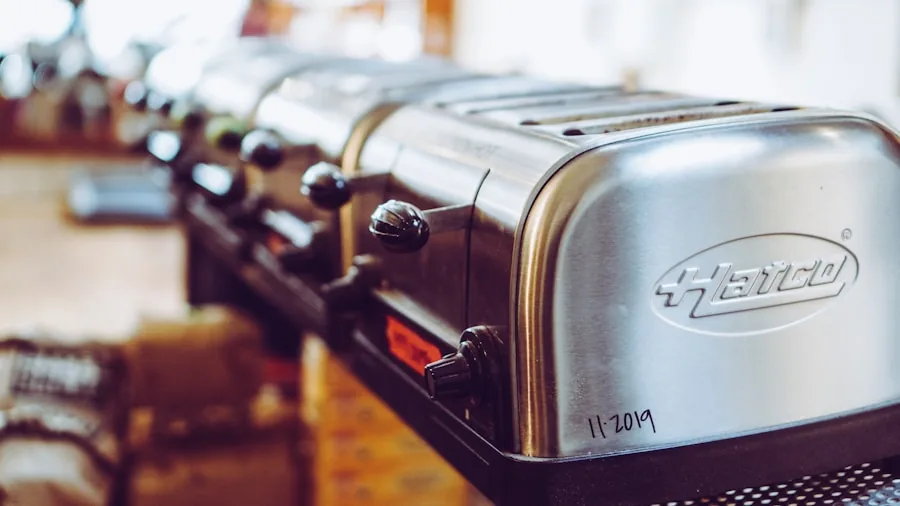
Understanding how toasters actually work can improve your purchasing decisions. Rather than focusing solely on the number of settings a toaster offers, pay attention to whether it automatically adjusts for temperature changes. Look for reviews that test consistency across multiple batches rather than just evaluating a single slice.
When you bring home a new toaster for the first time, start with the medium-low setting and work your way up. This approach helps you discover the right setting for your specific machine and bread preferences without wasting slices on burnt test runs. What works on one brand’s “4” setting might work on another brand’s “5” or “6,” so personal calibration is always necessary when switching machines.
A Practical Approach to Better Toast
The key takeaway is that toaster numbers are simply labels for different heating durations and intensities, not standardized measurements. By recognizing this, you can approach toaster shopping with more realistic expectations. When evaluating models, seek out those that have been tested for consistency and that include helpful features like automatic temperature adjustment. Your morning toast deserves a machine that understands the science behind getting it right.




Write Your Review
No reviews yet. Be the first to share your experience!