


Understanding Plant Ownership Before Your Move
Moving to a new home is exciting, but if you’re a gardener, you face a question many people overlook: which of your beloved plants can you actually take with you? The answer depends on several factors, including whether you own or rent your current home, where you’re relocating, and the types of plants involved. Understanding the legal landscape around plant ownership and transportation can save you from costly mistakes and potential disputes.
If you’re renting your current home, outdoor plants planted directly in the ground typically belong to your landlord, not you. This is because plants with roots attached to the soil are considered legal fixtures of the property. Even if you personally planted and maintained a shrub or flowering tree for years, removing it without permission could result in charges for property damage or even theft. Similarly, if you’re selling your home, outdoor plants transfer to the new owner as part of the property sale unless your purchase contract explicitly states otherwise.
Container Plants and Houseplants Are Generally Yours
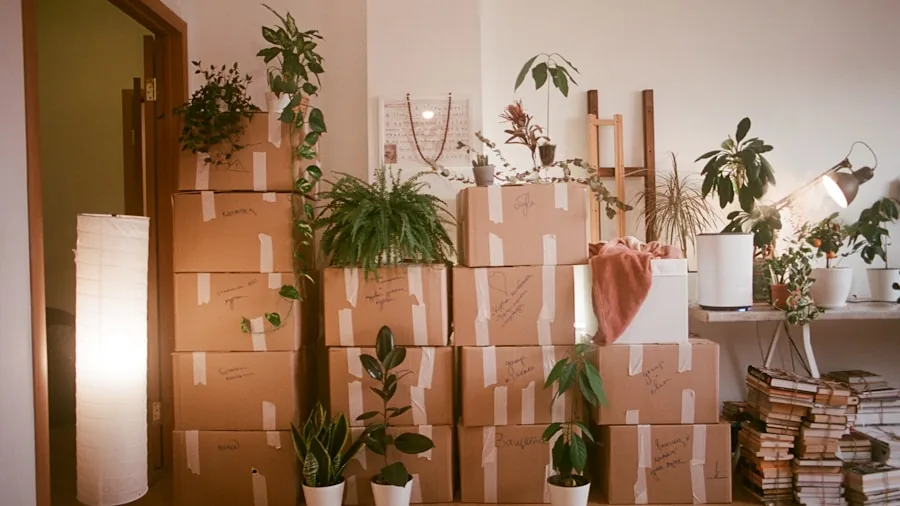
The good news: container plants and houseplants are easier to claim as your own since they’re not rooted in the property soil. These can typically move with you without legal complications, as long as you’re not crossing state or international borders with them. When using proper gardening tools and protection, removing potted plants is straightforward and shouldn’t trigger disputes with landlords or new property owners.
State and Interstate Transport Restrictions
If your move stays within the same state, you’ll have no trouble transporting your plants. However, crossing state lines introduces federal regulations you must follow. The U.S. Department of Agriculture and individual states enforce agricultural quarantines that restrict or prohibit moving certain plants across borders.
Plants hosting pests or diseases cannot be transported between states. Additionally, federally designated noxious weeds like kudzu and witchweed are strictly prohibited. Some states maintain even stricter rules: California and Florida ban citrus plants entirely to prevent disease spread. If you’re moving with ash trees, maples, birches, or roses, verify that your state of destination doesn’t restrict them due to concerns about the emerald ash borer or Japanese beetles.
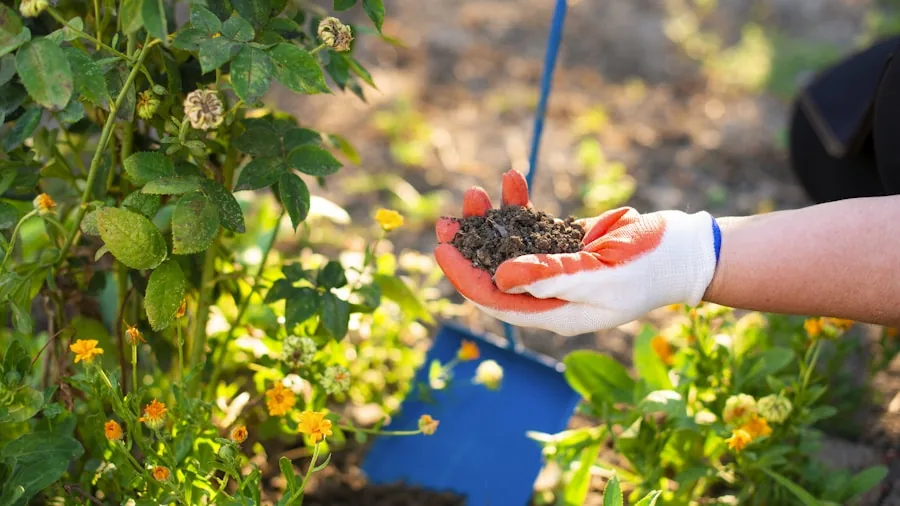
Perhaps most importantly, soil from your garden cannot legally cross state lines. Any container plants you’re moving must use sterile, soilless potting media. Transporting natural garden soil violates federal law, regardless of whether the plants themselves are permitted.
International Moves Require Extra Precautions
Moving plants internationally is significantly more complex. If you’re relocating to Canada, your houseplants must be bare root and accompanied by a Phytosanitary Certificate from the Canadian Food Inspection Agency. Other countries enforce similarly strict or even more restrictive regulations. Before attempting to move plants across international borders, contact your destination country’s consulate to understand specific requirements.
What You Can Do to Bring Your Favorites Along
If you’re attached to specific plants but uncertain about taking the originals, consider taking cuttings. Using quality tools to propagate cuttings allows you to propagate your favorite plants and root them at your new home. This approach works well for herbaceous plants, shrubs, and even some trees.
If you’re a tenant and a particular outdoor shrub matters deeply to you, negotiate with your landlord before moving day. Many landlords will allow removal if asked in advance. If you’re selling your home, explicitly document in the purchase contract which outdoor plants you wish to take. This protects you legally and prevents disputes after the sale closes.
When planning your move, ensure your garden is in its best condition for any final harvests or cutting sessions. Pack container plants in sturdy boxes with padding to prevent damage during transport, and water them well before traveling.
What You Cannot Do
Never misrepresent your plants to state or federal agents at borders. Providing false information about plant contents or origin can result in heavy fines or criminal charges. Never dig up outdoor plants from a property you don’t own unless you have explicit written permission. Doing so constitutes theft and exposes you to legal liability and replacement costs.
Before moving day, research which plants are legal to transport to your new location and verify ownership of any outdoor plantings. Taking time to understand these rules now prevents expensive problems later.





Write Your Review
No reviews yet. Be the first to share your experience!