
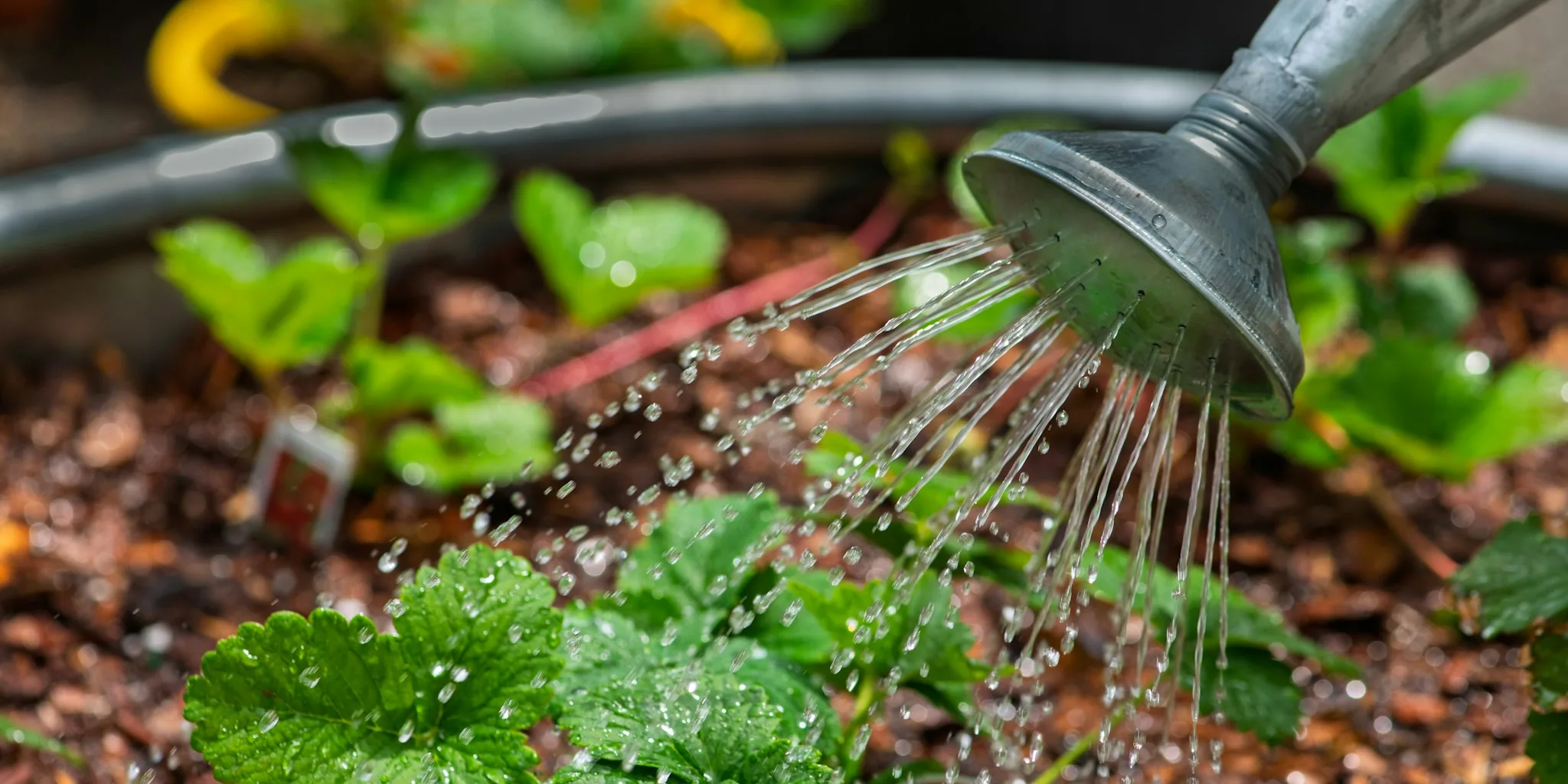

A drooping plant is one of the most common gardening frustrations, but the wilted leaves don’t always mean the same problem. The symptom itself is frustratingly vague: it could signal heat stress, overwatering, disease, or several other issues. Learning to distinguish between these causes will save you from accidentally making things worse, especially the temptation to water a plant that’s already suffering from too much moisture.
1. Run the Sunset Test Before Watering
Your first move should be patience, not a watering can. Head outside at dusk or early the next morning and observe the same drooping plant. If the leaves have perked back up during the cool night and low light, heat stress was likely the culprit. The plant closed its stomata to conserve water during the hottest part of the day, which is actually a healthy defense mechanism. Once the sun sets and temperatures drop, the roots catch up with what the leaves lost, turgor pressure returns, and your plant bounces back.
Give it at least one full hour past sundown before checking, since even healthy plants recover more slowly in dry soil. A plant still drooping at sunrise after twelve hours of cool night air has a problem beyond temporary heat stress. Monitor the pattern over several mornings: if your plant bounces back a little less each day, you’re watching a slow decline that needs investigation.
2. Check Soil Moisture at Root Depth
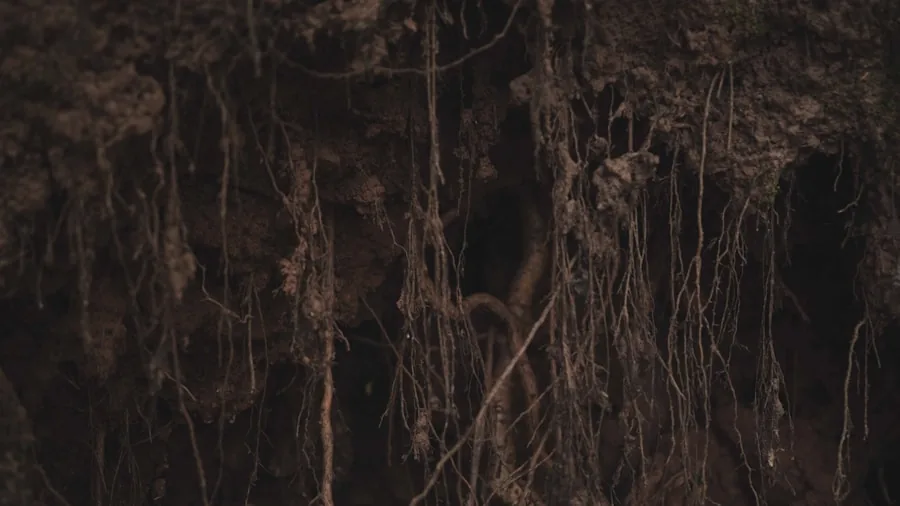
Drooping doesn’t automatically mean dry soil, and wet soil with a drooping plant is an especially dangerous combination. Your finger test only reaches the top inch or two, but root problems happen deeper down. An affordable soil moisture meter lets you measure at the actual root zone where your finger can’t reach. If the soil is soggy and your plant is wilting, the roots themselves are the issue, not water availability.
3. Examine Roots for Signs of Rot
When soil stays saturated too long, root rot organisms like Phytophthora and Pythium take over and destroy the fine feeder roots responsible for water uptake. The plant wilts despite sitting in wet soil because, from its perspective, it’s experiencing drought. Scrape back the soil at the base and pull out a few roots to inspect them. Healthy roots are firm, pale, and snap cleanly when bent. Rotted roots turn brown or gray, feel soft and mushy, and the outer layer slides away between your fingers, leaving only a thin thread behind. A foul, stagnant pond smell is another unmistakable sign of root rot. Container plants sitting in drainage saucers are frequent victims, as are garden beds with heavy clay soil after extended wet periods.
4. Look for Asymmetrical Wilting Patterns
Vascular wilts behave completely differently from heat stress or overwatering. Fungal pathogens like Verticillium and Fusarium live in the soil, enter through roots, and grow upward inside the plant’s water-conducting tissues. The asymmetry is the giveaway: vascular disease starts with a single branch looking droopy while the rest of the plant appears healthy for days. Sometimes the pattern is even narrower, with half a stem wilting or one wedge of a leaf yellowing while the surrounding tissue stays green. You might also see yellowing that climbs from the bottom of the plant and then stops midway. When you’re dealing with shrub planting decisions, pay special attention to this pattern, as it can take seasons to show up fully.
5. Make a Diagnostic Stem Cut
The most reliable way to identify vascular wilt is to cut through the stem a few inches above the soil line with clean pruning shears and examine the cut surface. Cream-colored tissue all the way around indicates heat stress, watering problems, or normal conditions. Brown or tan streaking in the ring just under the bark is vascular disease, and no amount of additional water will help. Always wipe your pruners with 70 percent isopropyl alcohol after making the cut, since the blades easily transfer fungal spores from one plant to another.
6. Consider the Timing and Weather
Fusarium wilt typically accelerates during hot weather, while Verticillium prefers cooler conditions. Both fungal diseases settle into the soil for years once established, and the same bed often produces the same struggling plants season after season. Understanding which conditions favor each disease helps you plan your next planting strategy. Since moving your plants requires careful attention to root systems, be aware that relocating won’t help if vascular wilt is already present.
7. Choose Resistant Varieties and Rotate Crops
Neither vascular wilt has a cure once it’s established in a plant, so prevention through variety selection matters enormously. Tomato tags display letters indicating disease resistance: a






Write Your Review
No reviews yet. Be the first to share your experience!