


Apple is preparing to bring OLED display technology to more of its laptop lineup, and that means significant upgrades are on the horizon for MacBook Air users. According to recent reports from industry sources, the company has confirmed plans to develop OLED versions of both the MacBook Air and iMac, expanding beyond the OLED MacBook Pro models already in development. Here’s what consumers should know about what’s coming and how it might affect your purchasing decisions now.
The Timeline: What Arrives When
Apple has a carefully staged rollout planned for its OLED transition. MacBook Pro models with OLED screens are expected to arrive between late this year and early next year, making them the first Macs to feature this premium display technology. Following that, the MacBook Air OLED variant could arrive as soon as 2028, according to multiple industry analysts tracking Apple’s development roadmap.
However, before the OLED version ships, Apple plans to refresh the current 13-inch and 15-inch MacBook Air models early next year with updated processors and features, though they will maintain the traditional LCD display technology. This means consumers will have another opportunity to purchase a current-generation Air before the major OLED transition occurs.
The iMac OLED update sits further out on the timeline with no confirmed launch window, though development reports suggest it could emerge sometime around 2027 or 2028. Apple is currently evaluating 24-inch OLED panels from major suppliers and testing color accuracy standards for desktop use.
Why the Delay for MacBook Air

You might wonder why Apple isn’t bringing OLED to the Air immediately after the Pro models launch. The answer comes down to cost. OLED panels remain significantly more expensive than traditional LCD displays, and the MacBook Air has historically been positioned as Apple’s more affordable laptop option. Adding OLED technology would force a price increase that could push the Air further out of reach for budget-conscious buyers.
This pricing reality shapes Apple’s strategy. The Air needs to remain relatively affordable compared to the Pro, which means the company has less financial flexibility to absorb the additional cost of OLED panels. Rising memory costs across the industry only complicate matters further, especially after Apple recently raised prices on its entire Mac lineup, including MacBook Air models.
What OLED Means for Your Display
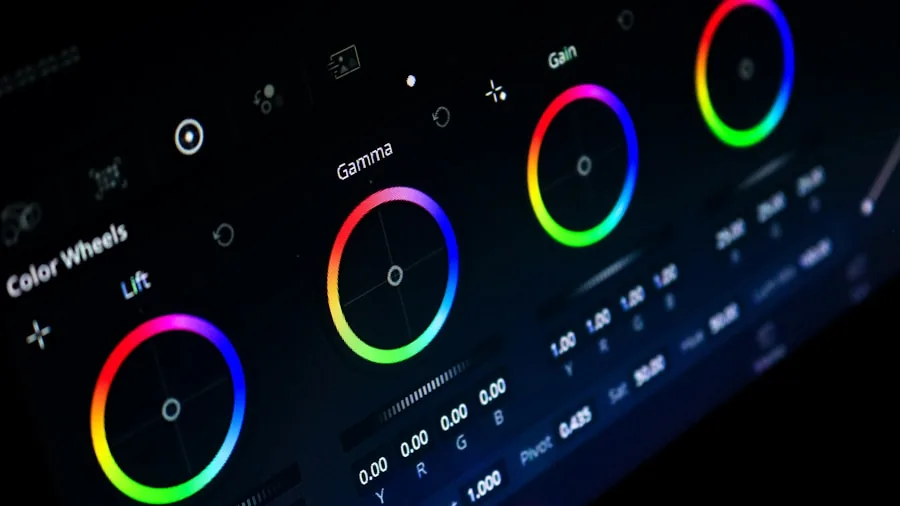
OLED technology offers tangible benefits for everyday users. These displays deliver superior contrast ratios, faster response times, and more vibrant colors compared to traditional LCD screens. For professionals working with photos, videos, or design work, OLED provides more accurate color reproduction and better viewing angles. Even casual users notice the difference in video playback quality and scrolling smoothness.
The technology also enables thinner device designs since OLED panels don’t require the same backlighting infrastructure as LCD screens. This could mean slimmer, lighter MacBooks down the line, though Apple’s design choices ultimately determine how much of that potential gets passed along to consumers.
Should You Buy Now or Wait
The timing of these announcements raises an important question for shoppers: should you upgrade your current MacBook now, or hold out for the OLED versions? The answer depends on your needs and timeline. If your existing MacBook still meets your requirements, waiting until 2028 for the Air OLED makes sense, especially if you want the latest display technology.
However, if you’re currently shopping without a MacBook and need one soon, the refreshed Air models arriving early next year represent a solid middle ground. You’ll get updated components and performance improvements without paying the OLED premium, and these machines should remain powerful and relevant for years to come. The best Apple laptops for various use cases often share design longevity, meaning even non-OLED versions perform well over extended ownership periods.
The Bigger Picture
Apple’s measured approach to rolling out OLED reflects how premium this technology still is in the computing space. By spacing out the launches across different product lines and generations, the company manages costs while gradually shifting its entire Mac lineup toward this superior display standard.
For shoppers, this strategy means clear upgrade paths and options across different budget levels and timelines. Whether you prioritize having the absolute latest display technology or prefer steady, proven performance at a more accessible price point, Apple’s phased rollout should provide opportunities that align with various purchasing preferences.





Write Your Review
No reviews yet. Be the first to share your experience!