
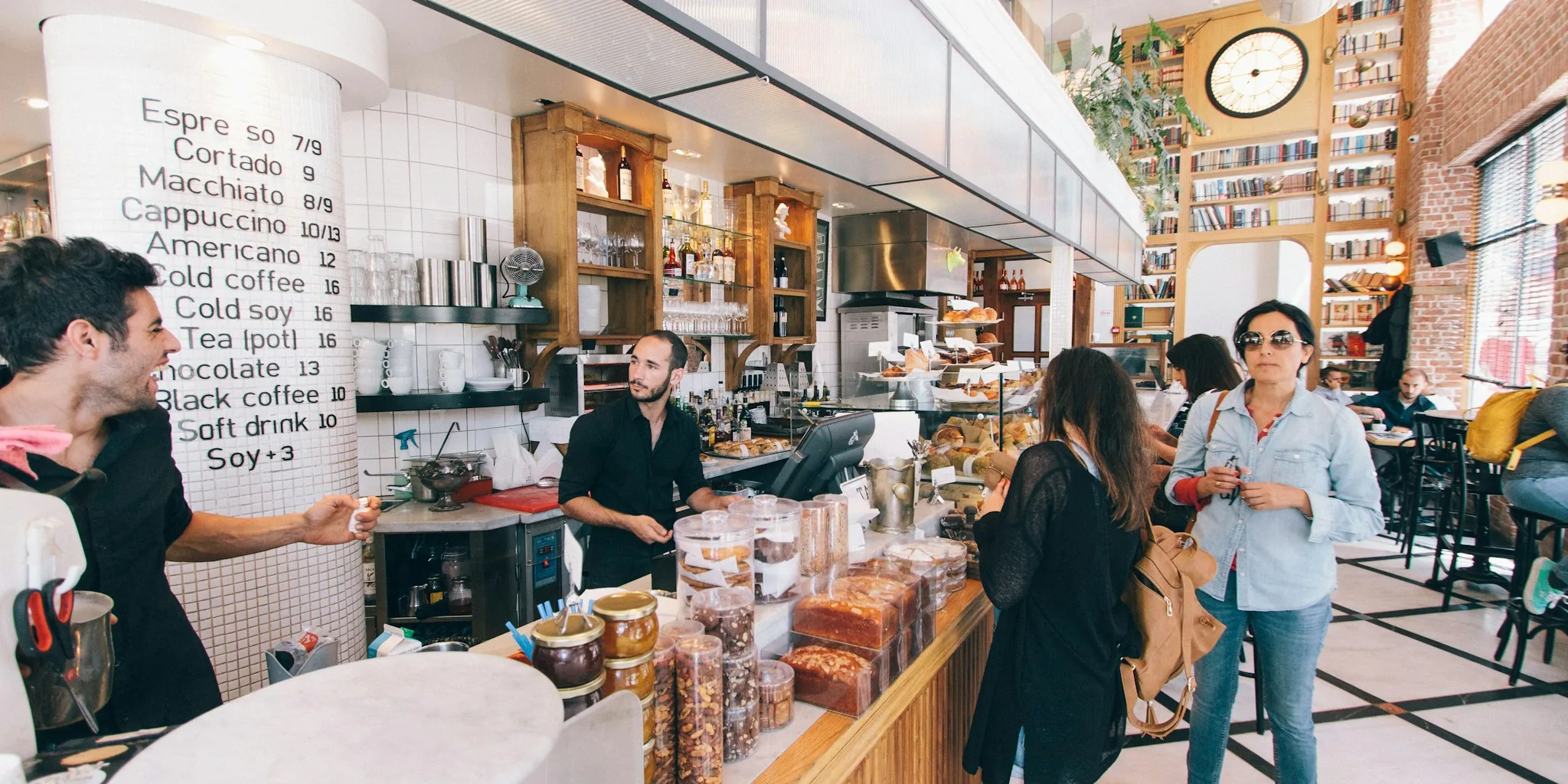

The coffee industry continues to shift in ways that matter to everyday shoppers. From pricing pressures tied to geopolitical events to new environmental commitments from cafe chains worldwide, recent developments signal both opportunities and challenges ahead for consumers who enjoy their morning brew.
Global Coffee Prices May Face Pressure from International Tensions
U.S. coffee prices could climb higher if political tensions in Central America lead to trade restrictions. The United States purchases roughly one-third of Nicaragua’s coffee exports, making any disruption to supply lines potentially significant at the checkout counter. Recent reports indicate that retail coffee prices averaged about $9.45 per pound in June, and experts worry that additional tariffs or trade measures could push costs upward. For shoppers regularly buying coffee, monitoring these developments offers insight into potential price movements in coming months.
Retailers and Cafes Commit to Cutting Single-Use Plastics
In a major environmental shift, thousands of coffee shops and cafes across South Korea have pledged to reduce single-use plastics in their operations. More than 22,000 participating locations, including major cafe chains and independent shops, have agreed to phase in reusable cups, offer discounts for customers who bring their own vessels, and eliminate unnecessary plastic straws. The initiative represents one of the largest coordinated efforts in the beverage industry to combat packaging waste. Detailed rollout plans are scheduled to begin in September, which could influence how shoppers order coffee and what they bring from home when visiting their favorite spots.
New Technology Makes Home Coffee Roasting More Accessible
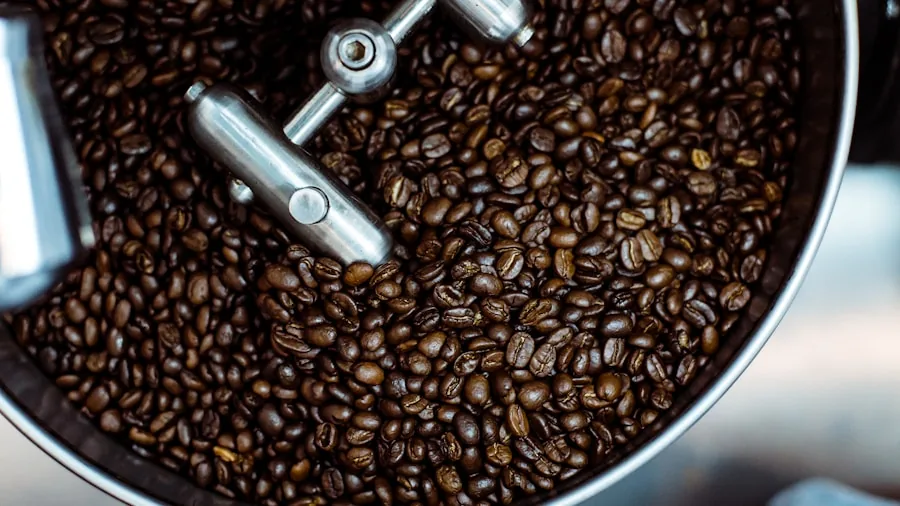
Home coffee enthusiasts now have a new option for roasting beans at home. A Chinese equipment manufacturer is launching its third-generation AI-powered home roaster via crowdfunding, signaling growing consumer interest in controlling the entire coffee experience from green beans to finished product. This advancement reflects a broader trend of bringing specialty coffee skills into residential kitchens. For those curious about roasting their own beans, exploring different brewing methods and equipment helps establish what approach fits your lifestyle and budget.
Vietnam Invests Heavily in Coffee Innovation
Vietnam, one of the world’s largest coffee producers, is channeling significant resources into agricultural technology. A new research institute backed by a $12.4 million investment will focus on developing improved coffee varieties, implementing AI-based pest monitoring, and training farmers in advanced techniques. The facility is expected to begin operations in late 2028. This investment underscores how major producing nations are modernizing their coffee sectors, which eventually influences the quality and availability of beans reaching global markets.
Women in Coffee Industry Expand Global Network
The International Women’s Coffee Alliance continues growing its influence across the supply chain. Three new regional chapters were added recently in the BeNeLux region, France, and Ghana, bringing the global network to 40 chapters. These expansion efforts highlight increasing recognition of women’s roles throughout coffee production, processing, and distribution. Stronger networks of female professionals and producers often lead to improved practices and more sustainable sourcing, benefits that eventually reach consumers shopping for ethically produced coffee.
Industry Standards Evolving Around Caffeine Labeling

U.S. regulatory agencies are considering updates to how caffeine content appears on coffee product labels. The FDA is prioritizing new guidance on caffeine labeling for 2026, which could affect packaged coffee products and ready-to-drink coffee beverages available in stores. Clearer labeling would help shoppers make informed decisions about caffeine intake, particularly those sensitive to stimulants or managing their consumption for health reasons. When shopping for ground coffee or packaged products, expect more transparent information about caffeine levels as these standards evolve.
Environmental Regulations Reshape Coffee Supply Chains
Europe’s landmark deforestation-free supply chain law is expanding to include soluble coffee products, tightening sustainability requirements for exporters. This regulatory shift means that coffee importers and retailers will face stricter scrutiny of where their beans originate and how they were grown. While compliance challenges exist for producers, especially in developing nations, the regulation ultimately benefits shoppers by ensuring their coffee purchases don’t contribute to environmental degradation. As these standards spread globally, sourcing practices continue improving across the industry.
Staying informed about these broader industry trends helps consumers understand what influences coffee availability and price. Whether you’re concerned about cost, environmental impact, or product quality, the coffee world is responding with innovation, investment, and renewed commitment to sustainable practices. Your next purchase reflects these global efforts and choices made by producers, retailers, and industry leaders working throughout the supply chain.






Write Your Review
No reviews yet. Be the first to share your experience!