


The Rise of Dual Screen Computing
The laptop market is evolving, and a new category of devices is challenging traditional single-screen thinking. Manufacturers are now releasing dual-display laptops designed for professionals and content creators who demand more screen real estate without sacrificing portability. The latest models feature innovative designs that fold the keyboard inside the displays for easier transport, making this once-exotic category increasingly practical.
Understanding the OLED Advantage
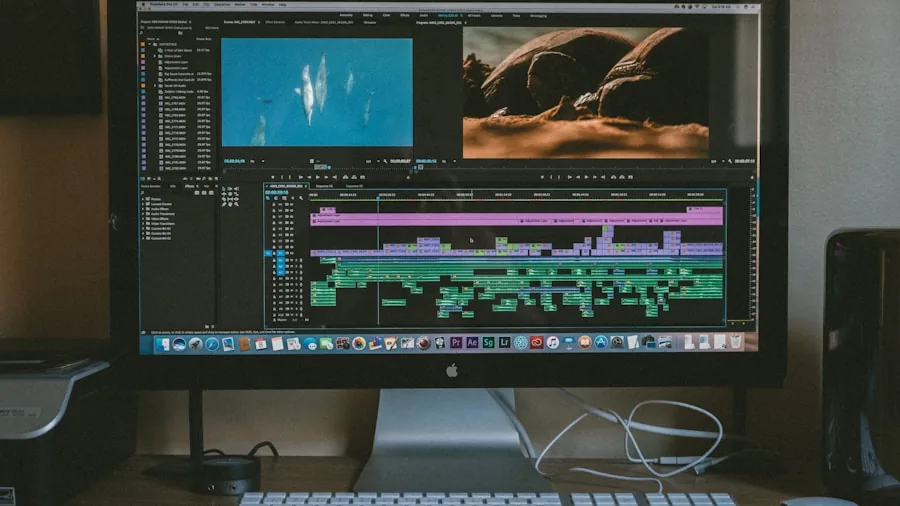
One of the most significant upgrades in modern dual-screen laptops is the shift to OLED display technology. Unlike traditional LCD panels, OLED displays deliver exceptional contrast and vibrant colors that make a noticeable difference when working with visual content. For anyone doing photo editing, color grading, or video production, this upgrade translates to more accurate color representation and better results. The difference becomes especially apparent when comparing against older LED-based systems, where subtle color corrections become far easier to execute precisely.
Real-World Multitasking Benefits
Having two screens fundamentally changes how you work on a laptop. Instead of constantly switching tabs or cramming windows into tiny splits, you can display different applications side by side at full size. For writers, this means keeping reference materials on one screen while drafting on the other. For video editors, scripts and timelines can coexist without compromising visibility. Professionals who code or develop software benefit from having documentation open on one display while writing code on the other, reducing the cognitive load of constant window management.
The real test comes during complex creative work. Video editing on a dual-screen setup, even in a portable form factor, delivers an experience remarkably close to a desktop workstation. Color correction, timeline scrubbing, and reference viewing all happen simultaneously without compromise. Tasks that feel tedious on a single-screen laptop become manageable and even enjoyable.
Performance Matters Too
Modern dual-screen laptops pack serious processing power. The latest models use cutting-edge processors with integrated graphics capable of handling demanding creative software. While dedicated graphics cards remain an option in some specialty models, integrated solutions have advanced significantly. For most creators, the processing power is more than sufficient for video editing, 3D work, and professional-grade photo manipulation, all while maintaining excellent battery life and thermal efficiency.
Is the Price Tag Worth It
Dual-screen laptops command premium pricing, often starting around $2,000 and reaching well above that for higher specifications. For casual users who primarily browse, email, and stream content, this investment doesn’t make sense. A traditional single-screen clamshell laptop handles everyday tasks perfectly well at a fraction of the cost. However, for content creators facing a choice between multiple devices or a high-end single-screen solution, the equation changes. When you factor in the cost of external monitors, adapters, and the portability compromise of carrying multiple devices, a dual-screen laptop becomes competitively priced.
Creative professionals evaluating premium options often compare dual-screen Windows devices against high-end MacBook models with maximum configurations. In that context, dual-screen laptops offer genuine value by delivering two full workspaces in one device without the substantial price premium of top-tier single-screen alternatives.
Who Should Actually Buy One

Dual-screen laptops aren’t for everyone, and that’s fine. They excel for specific use cases: professional video editors, photo retouchers, complex document writers, programmers managing large codebases, and anyone regularly juggling multiple applications. Students balancing multiple projects and professionals working on tight deadlines find the extra screen space transformative. If your work involves color-critical tasks, the OLED technology adds tremendous value beyond just the extra display.
The Verdict for Shoppers
The laptop market now includes a legitimate alternative to traditional clamshell designs, and it’s maturing rapidly. Dual-screen models offer genuine productivity improvements for the right users, backed by modern technology like OLED displays and powerful processors. Before committing to the premium price, honestly assess whether you’ll use both screens daily. If you’re constantly switching applications, managing multiple projects, or doing creative work that benefits from side-by-side viewing, the investment pays dividends. If not, a traditional laptop handles everything you need at a lower cost.



Write Your Review
No reviews yet. Be the first to share your experience!