
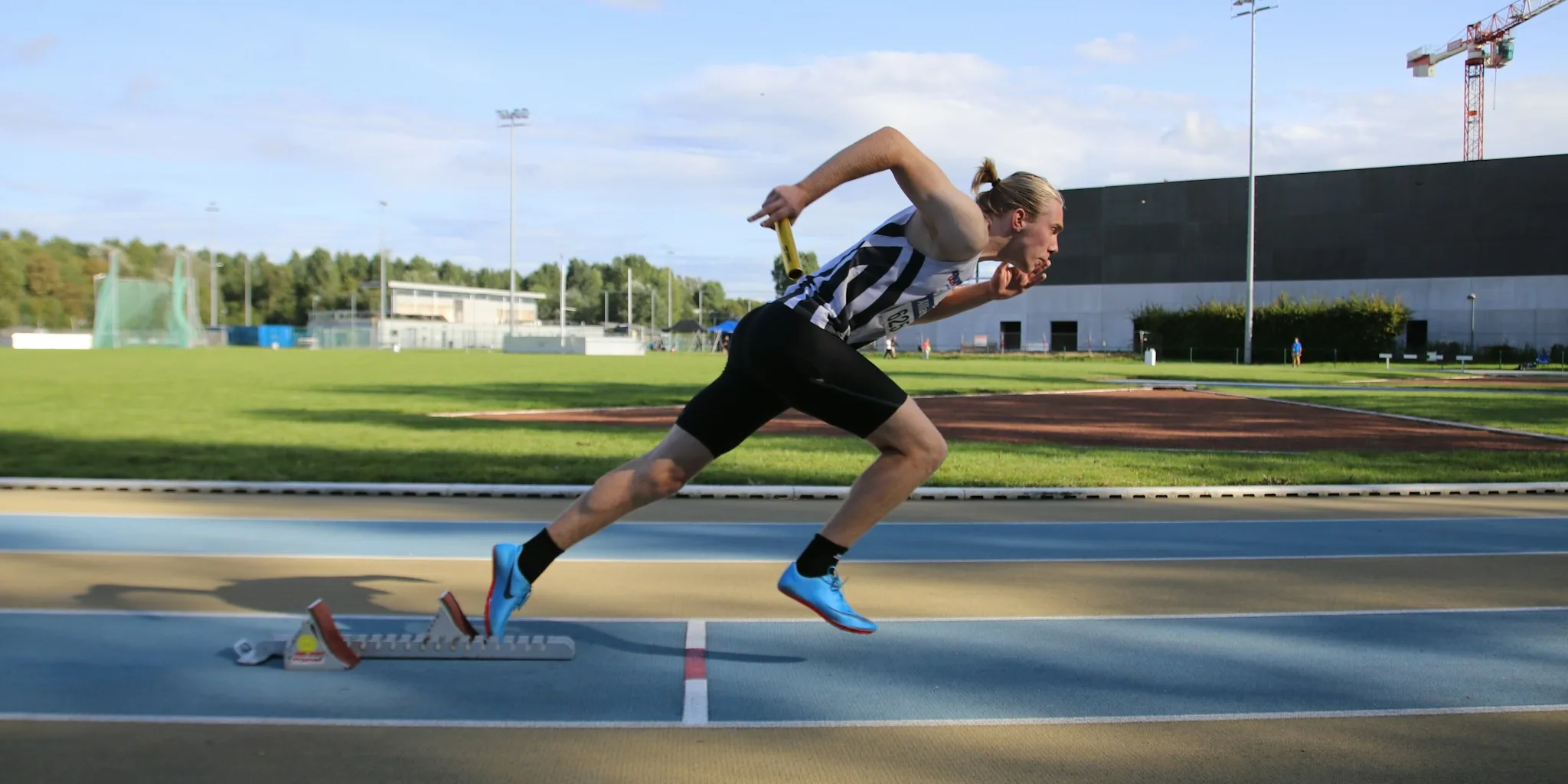

A Teen Track Star’s Game-Changing Speed Workout
Cooper Lutkenhaus, at just 17 years old, has become one of the most dominant middle-distance runners in the world. His recent victory at the 2026 World Athletics Indoor Championships, where he clocked 1:44.24 in the 800 meters, proves that elite performance combines cutting-edge training methods with unwavering discipline. What makes his success particularly relevant for everyday fitness enthusiasts is that the core workout driving his world-class speed is surprisingly accessible and adaptable.
Understanding the Signature Workout Structure

Lutkenhaus’s go-to speed session consists of 3 x 300-meter repeats followed by 4 x 150-meter repeats. This deceptively simple structure targets the exact demands of middle-distance racing: sustaining high speed while maintaining proper running form, then finishing even faster than you started. The beauty of this workout is that while elite runners execute it at championship pace, runners at every level can modify the intensity and distance to match their current fitness.
The first phase of the main set involves three 300-meter intervals. Lutkenhaus targets roughly 39-second efforts, which translates to approximately race pace for him. For most runners attempting this workout, aim for an effort that feels like 9 out of 10 on a perceived exertion scale. Between each 300-meter rep, Lutkenhaus takes a standing or slow walking recovery lasting about three minutes, with a full six minutes of rest before moving to the second phase.
The second phase features four 150-meter repeats at near-maximum intensity, roughly 17 seconds per rep for Lutkenhaus. This effort approaches an all-out sprint, registering around 9.5 to 10 on the intensity scale. Four minutes of recovery separates each of these final efforts, allowing your body to accumulate sufficient rest before the next high-speed burst.
Building Your Workout Foundation with Key Warmup Drills
Before any high-intensity session begins, Lutkenhaus completes a thorough warmup that elevates his heart rate and prepares his nervous system for speed work. He starts with two to three miles at what his coaching team calls “upper pace,” roughly 30 seconds per mile faster than his standard easy running pace. This measured approach ensures readiness without arriving at the workout already fatigued.
His warmup includes a series of running drills designed to synchronize upper and lower body movement. A-skips, B-skips, hamstring scoops, and strides form the backbone of this preparation. These drills bridge the gap between slow-paced jogging and explosive speedwork, activating the muscles and movement patterns needed for fast running. Proper workout shoes become essential here, as they provide the support and responsiveness your feet need during dynamic drill work and high-intensity efforts.
Recovery as Your Competitive Edge
What truly distinguishes Lutkenhaus from many young athletes is his commitment to recovery. He visits his school’s training room two to three times daily for foam rolling, icing, and stretching. More importantly, he frames recovery not as an afterthought but as an essential component of training itself. Each Sunday evening, his coach sends the weekly training plan, allowing Lutkenhaus to organize his recovery strategy around his hard workouts. His typical week includes two quality speed sessions separated by easy-paced running days, with weekends reserved for racing or additional rest.
This structure reveals a critical insight for recreational runners: balancing intensity with adequate recovery isn’t optional if you want to build fitness safely and sustainably. Quality workout apparel that supports comfort during recovery activities matters too, allowing you to stay engaged in self-care routines without distraction.
Mental Toughness and Progressive Training

Lutkenhaus emphasizes that mindset profoundly influences workout performance. Even when his warmup feels sluggish, he trusts the process and executes the planned workout, often finding that his actual speed repeats feel strong once he settles into the effort. This mental resilience stems from narrowing focus to the immediate task at hand rather than catastrophizing over early discomfort.
He also uses friendly competition strategically, having teammates join him for portions of his repeats to spark maximum effort. You can replicate this by training on a track where a visual finish line provides tangible feedback on your pace and effort.
Progression tracking is equally important. Lutkenhaus compares his current performance against previous attempts at the same workout, noting when paces become easier or faster. Understanding proper running mechanics also prevents injury while building speed. By repeating the same structured speed workout monthly and recording times and perceived effort, you create a reliable benchmark for measuring improvement over weeks and months.
Practical Takeaways for Your Training
You don’t need to be a world champion to benefit from Lutkenhaus’s approach. Choose a speed workout that aligns with your goals and fitness level. Prioritize comprehensive warmups with dynamic drills. Schedule hard efforts only once or twice weekly, separated by easier days. Make recovery a non-negotiable priority, not a luxury. Track your workouts consistently in a log, noting pace and how each session felt. Finally, cultivate the mental discipline to stay focused during difficult efforts and the curiosity to continually learn and refine your technique. These principles work at every fitness level and will accelerate your progress far more reliably than chasing arbitrary performance targets.






Write Your Review
No reviews yet. Be the first to share your experience!