
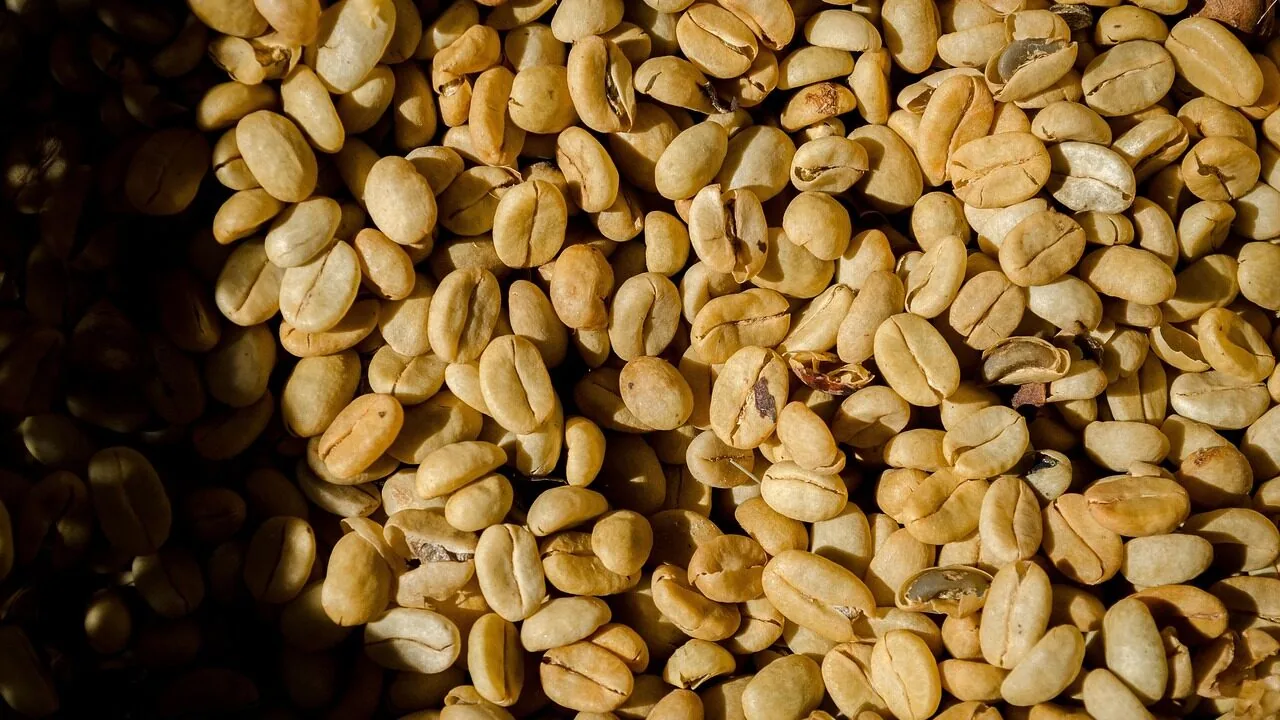

The European Union’s new deforestation regulation, known as EUDR, is reshaping how coffee reaches your cup. Starting next year, any coffee imported into Europe must be traceable back to the specific farms where it was grown. For millions of small-scale farmers in Honduras and beyond, this requirement is forcing a complete overhaul of farming practices, and the changes are already being felt across the entire supply chain.
What the EUDR Requires
The regulation mandates that companies importing coffee into the European market track their supply chains all the way back to individual smallholder farmers. Every purchase must be documented, verified, and proven to come from land that has not been recently cleared of forest. This level of traceability has never been required before, and it’s transforming how coffee is produced in countries like Honduras, which exports 69 percent of its coffee to Europe.
How Farmers Are Adapting
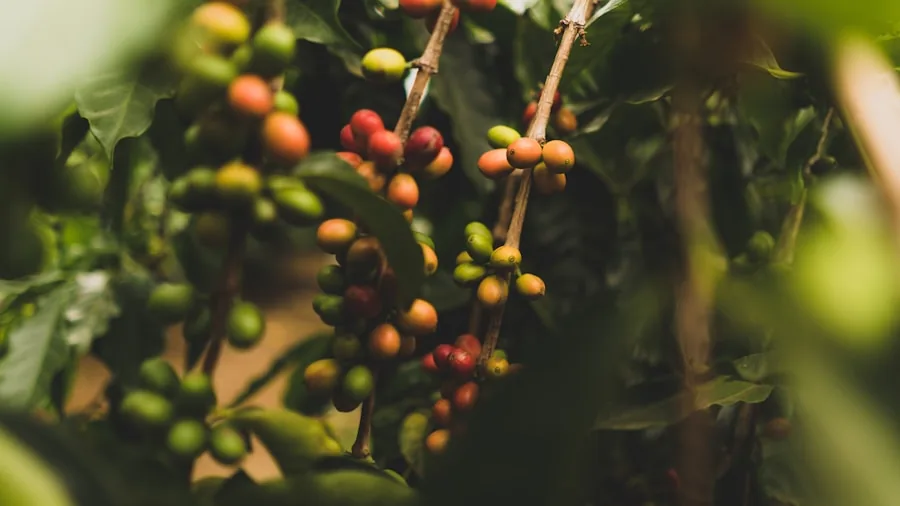
Coffee farmers like Roberto González have lived through boom and bust cycles. When he inherited his family’s land in Honduras two decades ago, coffee seemed like a path to prosperity. But poor farming practices, including excessive deforestation to expand plantations, led to disaster. A fungal disease called coffee rust destroyed harvests around 2012, pushing many farmers into poverty and forcing migration from rural areas.
The EUDR requirement has become a turning point. To continue selling coffee to Europe, farmers now must improve their agricultural methods. This means implementing better soil management, planting shade trees, reducing pesticide use, and properly managing harvest waste. Exporters like Becamo have responded by expanding their support teams from 16 agronomic consultants in 2021 to 40 today, helping farmers navigate the requirements and modernize their operations.
The results are tangible. Farmers who once used conventional methods are switching to organic and sustainable practices. Some are even eliminating pesticides entirely and using natural composting techniques. This shift has also made farming more attractive to younger generations, addressing a serious rural exodus problem in Honduras and other coffee-producing regions. Investing in quality tools like professional coffee grinders becomes more worthwhile when the beans themselves come from sustainably managed farms.
The Cost Question
Implementation costs are real but manageable. According to exporters, compliance adds about one dollar per 100-kilo sack of coffee beans. However, the bigger question is how these costs will move through the supply chain and whether consumers will ultimately pay more. Industry observers expect the EUDR will set a precedent, with other regions like Canada and the United States likely to implement similar rules.
The Digital Challenge
To meet EUDR requirements, farmers must embrace digital technology. Exporters have developed traceability apps that record everything from land titles and fertilizer use to labor practices and certifications. Enjoying premium coffee from compliant sources requires understanding the technology now embedded in the supply chain.
The problem is that most smallholder farmers live in remote areas with poor internet connectivity. Only 10 percent of small farmers regularly use agricultural apps, even when free options are available. Connectivity issues, educational barriers, and the tendency of exporters to control farmer data rather than sharing it create real challenges. When farmers switch to a new exporter, they must repeat the entire documentation process because they don’t own their data.
Several digital solutions exist. Becamo’s proprietary app works well but limits farmer access. Private paid platforms cost up to 300 dollars monthly, too expensive for most independent farmers. Germany-funded open-source alternatives like Inatrace offer free access but suffer from technical issues like crashes and offline functionality problems.
Labor and Environmental Wins
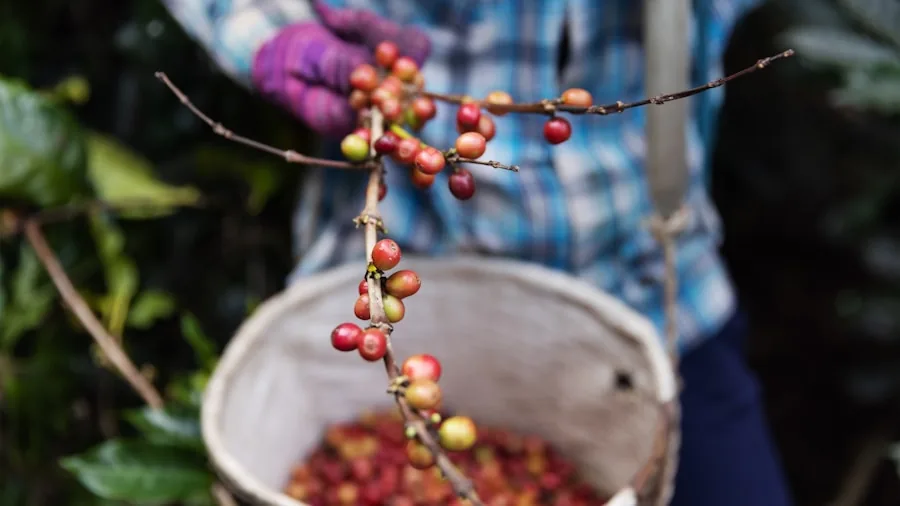
Beyond farm productivity, the EUDR has addressed serious social issues. Child labor during harvest season was once common, with children helping parents during the December-to-March picking period. Exporters now partner with German retailers to fund mobile childcare centers in coffee regions during harvest. The regulation also requires minimum wages, safe working conditions, restrooms, and rest areas on farms.
Environmental improvements extend beyond deforestation prevention. Farmers now properly compost coffee cherry waste instead of dumping it in forests and rivers, which previously acidified soil and contaminated groundwater. The beans produced from environmentally responsible farms often require better grinding equipment to showcase their improved quality.
What This Means for Shoppers
These changes will likely increase the price of imported coffee modestly, but they deliver real value. You’re buying beans from farms that are no longer destroying forests, employing workers at fair wages, and using sustainable methods that protect soil and water. The push toward organic and certified sustainable coffee means more premium options becoming available.
The EUDR illustrates how regulation can drive positive change across entire industries. Farmers who once felt trapped by poverty and environmental degradation now have support systems and market incentives to farm responsibly. While challenges remain around digital inclusion and data ownership, the trajectory is clear: coffee’s future involves better farming, better working conditions, and better environmental stewardship. For consumers, that means better coffee with a clearer conscience.





Write Your Review
No reviews yet. Be the first to share your experience!