
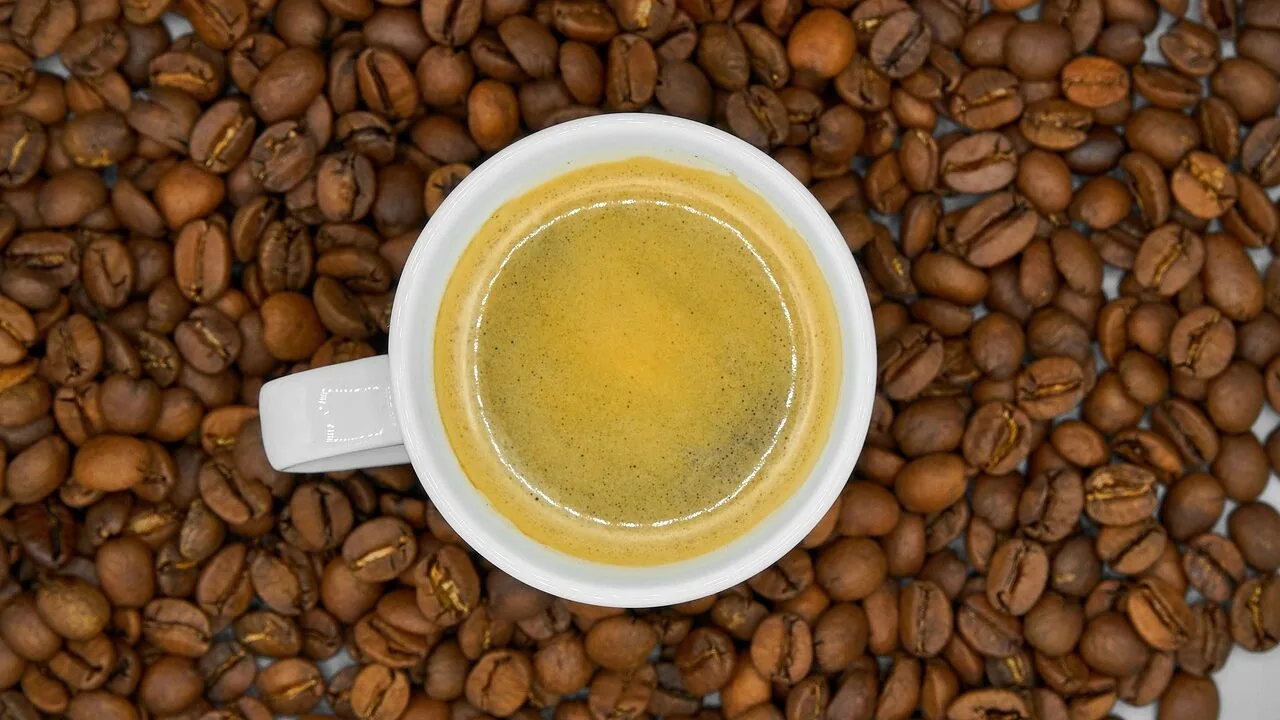

Scientists have uncovered the molecular secrets behind coffee’s signature bitter taste, and the findings could reshape how the industry thinks about flavor and health. Researchers at the University of North Carolina at Chapel Hill used advanced imaging technology to identify exactly how your taste buds detect bitterness when you sip your morning cup.
The Molecular Truth About Coffee Bitterness
For decades, most people assumed that caffeine alone was responsible for coffee’s bitter punch. A groundbreaking study published in Nature Structural and Molecular Biology this year proved otherwise. The research team employed cryo-electron microscopy, a sophisticated technique that freezes biological molecules and captures them in three-dimensional detail using electron imaging. This allowed them to map the structure of a specific bitter taste receptor called TAS2R43.
The discovery revealed something important: coffee bitterness results from multiple compounds working together on your taste receptors, not just caffeine. The research identified several culprits, including cafestol and kahweol, which are oily compounds especially prevalent in unfiltered coffee preparations like French press and Turkish coffee. Other contributors include catechol and chlorogenic acid, both of which activated the TAS2R43 receptor at particularly high levels.
“Before this study, we did not know how coffee bitterness is initiated at the molecular level,” explained the study’s lead researcher. The work represents a major breakthrough in understanding the sensory experience of drinking coffee at the biological level.
What This Means for Coffee Drinkers
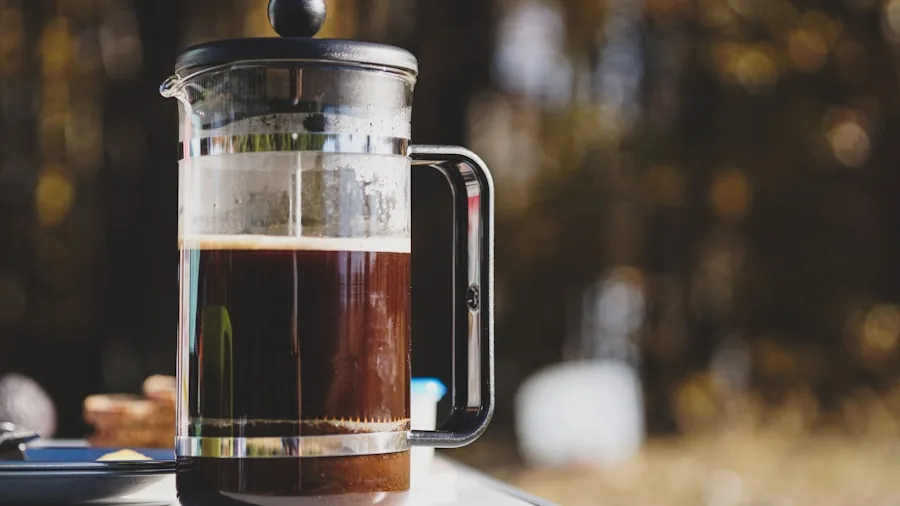
If you’ve ever noticed that unfiltered coffee tastes more bitter than filtered varieties, science now explains why. The diterpenes present in French press and similar brewing methods trigger your bitter taste receptors more intensely than filtered coffee, where many of these compounds are removed by the paper filter.
This knowledge could help you make smarter choices about which brewing method and bean selection align with your taste preferences. Those seeking a less bitter experience might opt for paper-filtered brewing techniques or explore the best coffee grinders for every budget, which allow finer control over extraction. Conversely, if you enjoy bold, robust flavors, now you know that unfiltered brewing methods deliberately preserve the compounds that create that intense bitterness.
Implications Beyond Your Cup
The practical applications extend far beyond flavor preference. Bitter taste receptors like TAS2R43 exist throughout the human body, not just on your tongue. Scientists believe these receptors serve as natural defense mechanisms, helping your body detect potentially toxic substances, harmful bacteria, and pathogens.
Understanding how coffee compounds interact with these receptors could pave the way for new medical treatments and therapeutic strategies for various diseases. The research team suggested that their findings might eventually contribute to pharmaceutical development, as companies explore how bitter taste receptors function throughout the body’s systems.
Coffee Quality and Composition Matter
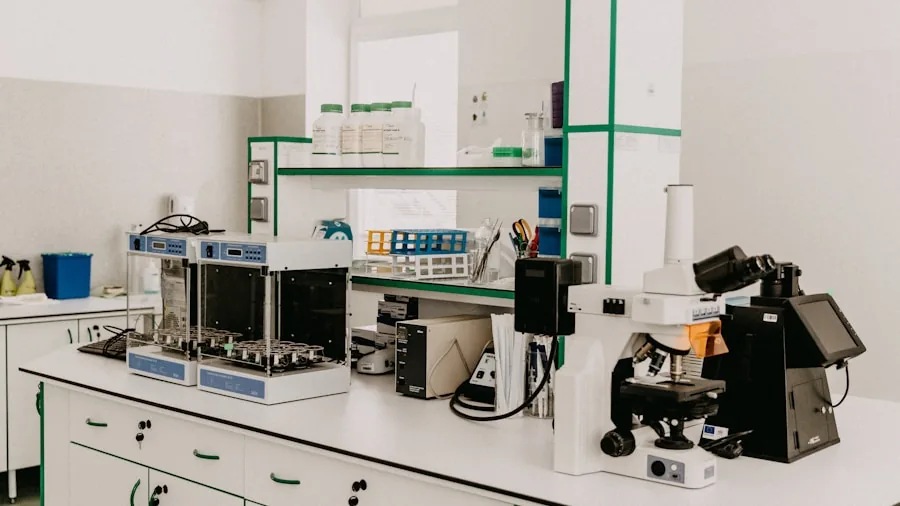
This research underscores something coffee enthusiasts have long suspected: not all coffee is created equal. The specific compounds present in your beans depend on numerous factors, including growing conditions, harvest timing, and roasting methods. For those interested in quality, exploring the best instant coffees for quick mornings can reveal how different processing methods affect the final product’s flavor profile.
Additionally, global changes to coffee farming practices directly influence bean composition. Recent regulatory shifts in agricultural practices are transforming how coffee gets grown, which ultimately affects the compounds present in your cup.
Looking Forward
This molecular-level understanding of coffee bitterness represents a turning point in coffee science. Rather than dismissing bitterness as an undesirable characteristic, researchers now recognize it as a complex biological interaction involving multiple compounds. Your individual perception of coffee’s taste depends on your unique genetic makeup, specifically how your TAS2R43 receptors respond to these various compounds.
As the coffee industry continues to evolve, expect to see more products designed with this knowledge in mind. Roasters may begin marketing their beans based on the specific bitter compounds they contain, and brewing equipment manufacturers might emphasize their ability to control extraction of these flavor compounds.
Whether you’re a dedicated coffee enthusiast or a casual drinker, understanding the science behind that bitter taste enriches your appreciation for what’s in your mug. The next time you notice variations in bitterness between different coffees or brewing methods, you’ll know that multiple chemical compounds are at work, orchestrating the flavor experience on your palate.





Write Your Review
No reviews yet. Be the first to share your experience!