
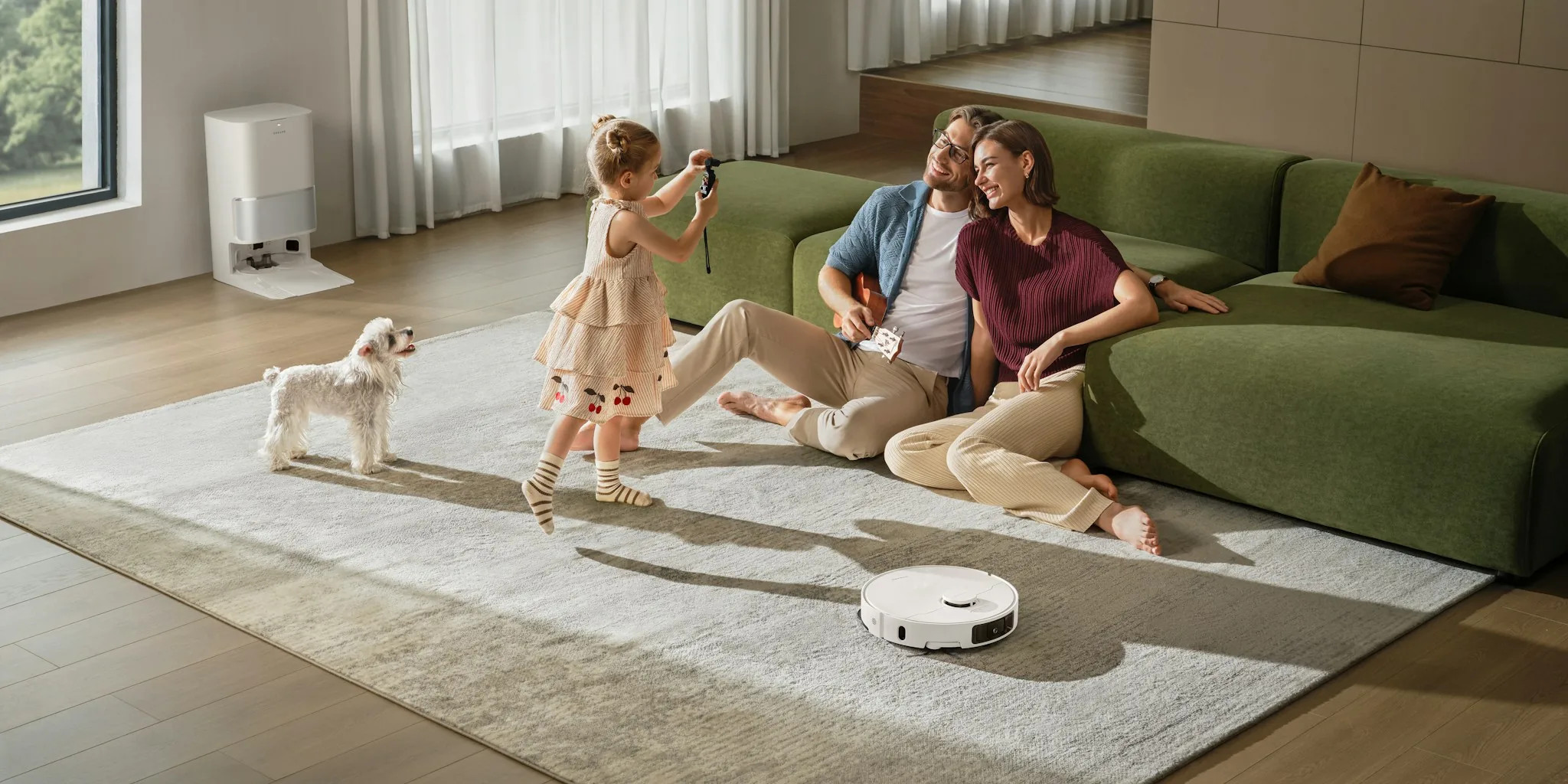

A Sweeping Policy Change Targets Robot Vacuums and Other Smart Devices
The federal government has implemented new restrictions on robot vacuum imports, raising significant questions about what this means for American consumers. The policy, which focuses on manufacturing location requirements rather than actual product security, could reshape the landscape of affordable cleaning robots available in stores and online.
Who Is Affected by the New Restrictions

The ban targets any robot controlled by software that weighs more than 4.4 pounds and uses computer vision technology. This broad definition captures not only robot vacuums from major brands like Dreame, Roborock, Ecovacs, and iRobot, but also robotic lawnmowers, delivery robots, and other autonomous devices. Even American manufacturers face potential complications. Companies like Matic, based in California, could be impacted if they do not meet the new domestic manufacturing threshold of 65 percent.
The good news for current owners: if you already have a robot vacuum at home, this ban does not affect existing products. Your current device will continue to operate normally. The restrictions apply only to future models and new imports.
Why This Matters for Your Wallet
Nearly every robot vacuum currently sold in the United States is manufactured in China, which means almost all of them were made cost-effectively abroad. This manufacturing approach has kept prices reasonable for everyday consumers. By restricting future imports, the policy could lead to higher prices or fewer choices when it comes time to upgrade or purchase a new vacuum.
For shoppers looking for value, this shift presents a real challenge. While brands like cordless vacuums for every budget offer various price points, the availability of budget-friendly robotic models specifically may become more limited. The policy essentially forces manufacturers to produce more domestically or abandon the U.S. market, both of which typically increase consumer costs.
The Security Angle Behind the Ban
Government officials justified the restrictions by citing security concerns. There have been real incidents: in 2024, hackers compromised certain Ecovacs robot vacuums and used their speakers to broadcast offensive content. In another case, a hacker gained control of thousands of DJI robot vacuums. These vulnerabilities highlight genuine risks that manufacturers must take seriously.
However, critics argue the policy misses the mark. Rather than targeting companies with demonstrably poor security practices, the ban uses a blunt manufacturing-location requirement. This approach means that a company could continue selling vacuums with security flaws as long as it manufactures enough of its product domestically. Conversely, an American company with excellent security standards could face restrictions simply because it does not meet the domestic manufacturing percentage.
What This Means for Your Next Vacuum Purchase

If you own a vacuum suitable for pet hair or heavy-duty cleaning, the restrictions probably won’t affect it immediately. But planning ahead matters. Before the new rules fully take effect, shoppers interested in robot vacuums may want to evaluate their options. The market could shift toward higher-priced domestically manufactured models or limited availability from certain brands.
Additionally, the policy may inadvertently push consumers toward traditional upright vacuum models, which remain unaffected by the import restrictions and continue to offer reliable performance for most households.
Looking Forward
The robot vacuum restriction represents part of a larger policy trend toward domestic manufacturing and supply chain control. While national security concerns deserve attention, the way this policy is structured raises legitimate questions about whether it solves the actual problem or simply reshapes the market in ways that may not benefit consumers.
For shoppers, the takeaway is clear: if you have been considering a robot vacuum purchase, understanding the current market and your options is more important than ever. Existing products remain unaffected, but the future availability and pricing of robot vacuums could change significantly. Staying informed and making thoughtful purchasing decisions now can help you navigate these policy changes effectively.





Write Your Review
No reviews yet. Be the first to share your experience!