
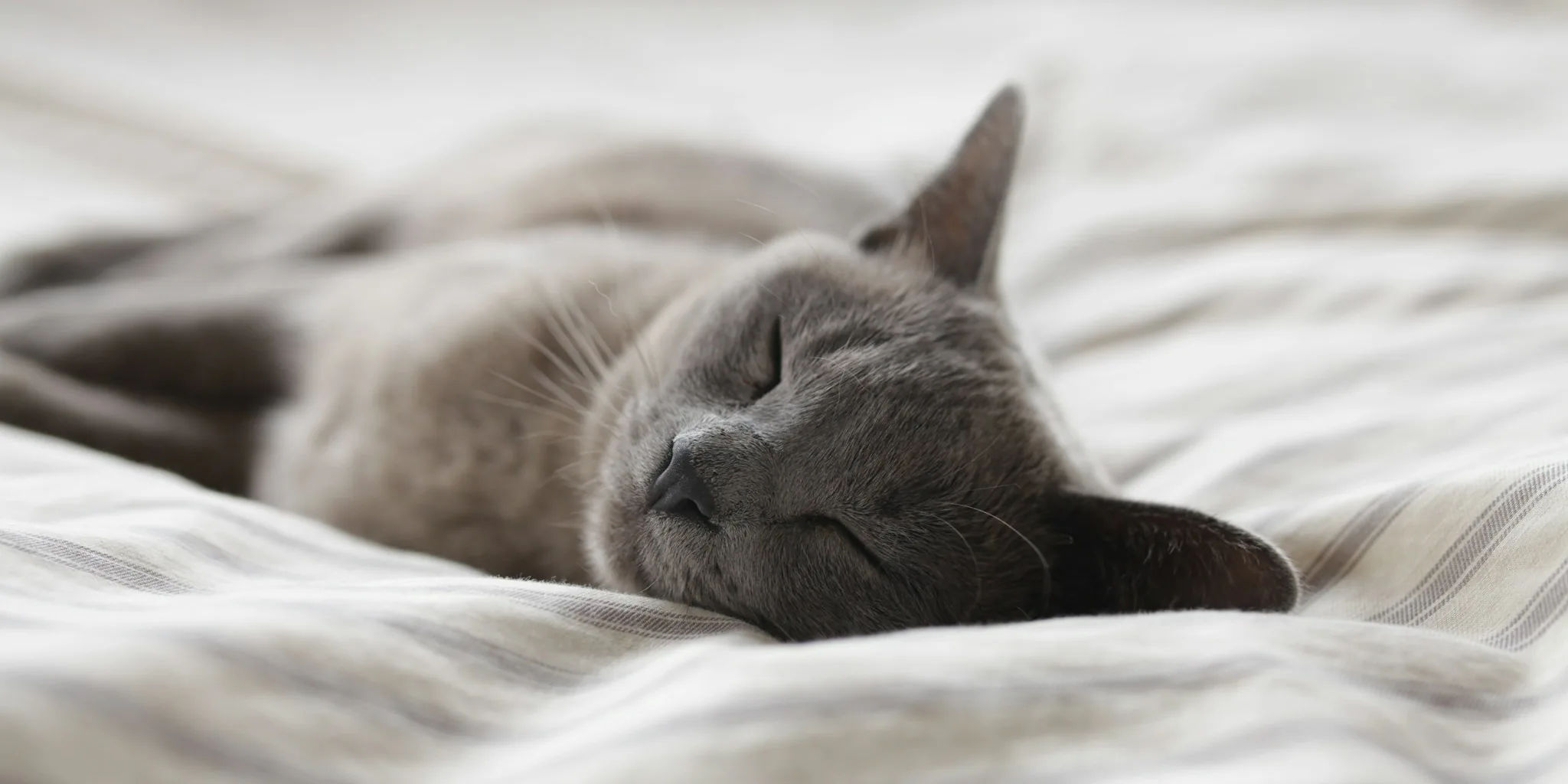

Understanding the Cat Loaf and What It Signals
If you share your home with a cat, you have likely witnessed the distinctive “loaf” position: your feline friend sitting with all four paws tucked neatly beneath their body, tail wrapped around, and the entire form compressed into a neat, boxy shape. This posture has become iconic in internet cat culture, spawning countless memes and dedicated fan communities. However, many cat owners remain unaware of what this position actually means or that in rare cases, it can indicate a health concern worth investigating.
The loaf is exactly as it sounds: a cat settling into a compact, rectangular pose with no limbs visible outside the body. The frequency of loafing varies significantly from one cat to another. Some felines adopt this position as their default resting stance, while others rarely loaf regardless of their comfort level. There is no cause for concern if your cat never loafs or loafs constantly, as individual preference plays a major role in how often any particular cat chooses this posture.
Why Cats Loaf: The Main Reasons
Relaxation and Trust
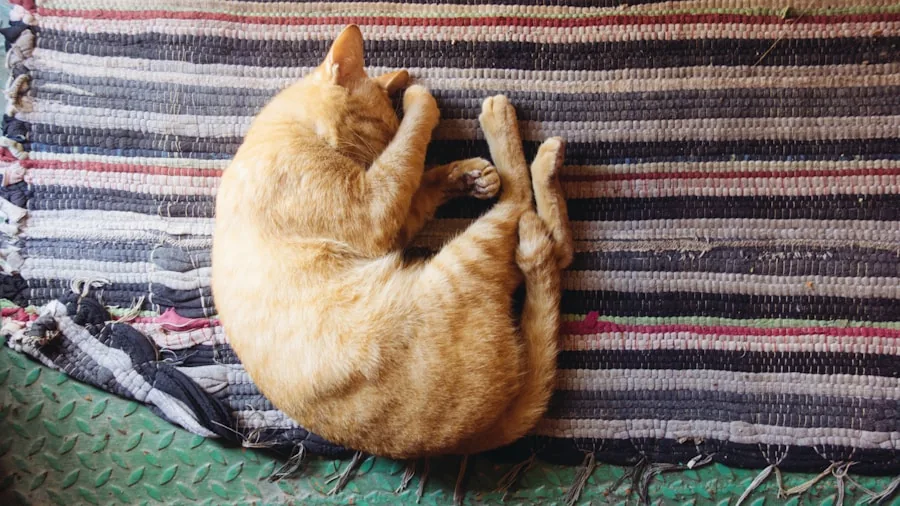
The most common reason cats loaf is straightforward: they feel genuinely relaxed and safe. The position itself communicates a great deal about your cat’s mental state. When a cat tucks its paws underneath its body, it cannot quickly brace itself to run, jump, or defend against a threat. Exiting a full loaf requires a moment of adjustment, meaning a cat in this position does not anticipate needing to move urgently. Since cats are naturally vigilant animals, adopting a posture that places them at a slight physical disadvantage demonstrates real confidence in their environment. A loafing cat is telling you that it trusts its surroundings.
Physical Comfort and Personal Preference
Beyond psychological reasons, many cats loaf simply because they find the position physically comfortable. When a cat folds its paws beneath its body, the weight distributes evenly, the limbs stay tucked away, and maintaining the posture requires minimal muscular effort. Some cats gravitate toward loafing on softer surfaces like blankets or cushioned beds, where holding the position for extended periods feels easier. Others are perfectly content loafing on hard floors. This variation between individual cats mirrors how humans have different preferred resting positions, and it is entirely normal.
Heat Retention
Cats naturally run warmer than humans and dislike feeling cold. The loaf position proves especially efficient for heat conservation. By tucking all four paws beneath the body, a cat reduces the surface area exposed to cooler air, creating an effective way to retain warmth. Cats that feel chilly often shift into a loaf, particularly after coming in from outside or when resting in cooler areas of the home. If your cat loves the loaf position, consider providing plenty of warm and cozy resting spots. A quality cat bed designed for warmth and comfort can help your feline friend stay content during cooler months.
When Loafing Becomes a Concern
Most of the time, a loafing cat indicates contentment. However, there is one situation where this position should trigger closer attention: respiratory distress. When a cat struggles to breathe, its body naturally adapts to maximize lung capacity. This can produce a posture resembling a loaf but driven by a serious health issue rather than comfort. A cat in respiratory distress may press its chest and belly flat against the ground, hold its limbs close to the body, and breathe with visible effort as the diaphragm works harder than normal to draw air into the lungs.
The key difference lies in what accompanies the position. A relaxed loaf comes with a calm, settled cat displaying sleepy, half-closed eyes and slow, steady breathing. A distress-related posture comes with warning signs including very heavy or audible breathing where the abdomen visibly moves with each breath, lethargy, coughing, refusal to eat, pale gums, and cold extremities. If your cat shows any of these signs alongside an unusual posture, seek immediate veterinary attention.
Illness, pain, and stress can also cause a cat to adopt a more tucked, compact posture as a protective or energy-conserving measure. A cat that has suddenly started loafing when it previously did not, particularly alongside changes in appetite, litter box habits, or general behavior, deserves a veterinary assessment. Cats are skilled at masking discomfort, and a subtle change in resting position is occasionally the clearest signal available that something requires attention.
Important Note on Purring Cats
While a happy, content cat often purrs in any position, including the loaf, a cat in pain or distress may also purr. Do not assume that a purring loaf automatically indicates a healthy cat. If your feline displays any of the warning signs mentioned above while also purring, contact your veterinarian for guidance. Similarly, monitoring your cat’s litter box behavior can help you spot early signs of illness or stress.
What the Loaf Means for Cat Owners
A loafing cat is almost always a content one. The position reflects comfort, warmth, and a sense of security, three indicators that suggest your cat feels well-settled in its environment. Pay closer attention when the loaf appears alongside behavioral changes or when the breathing looks labored rather than easy. Outside of these situations, the loaf is simply what it appears to be: a cat enjoying the most comfortable position available and making itself at home in your household.



Write Your Review
No reviews yet. Be the first to share your experience!