
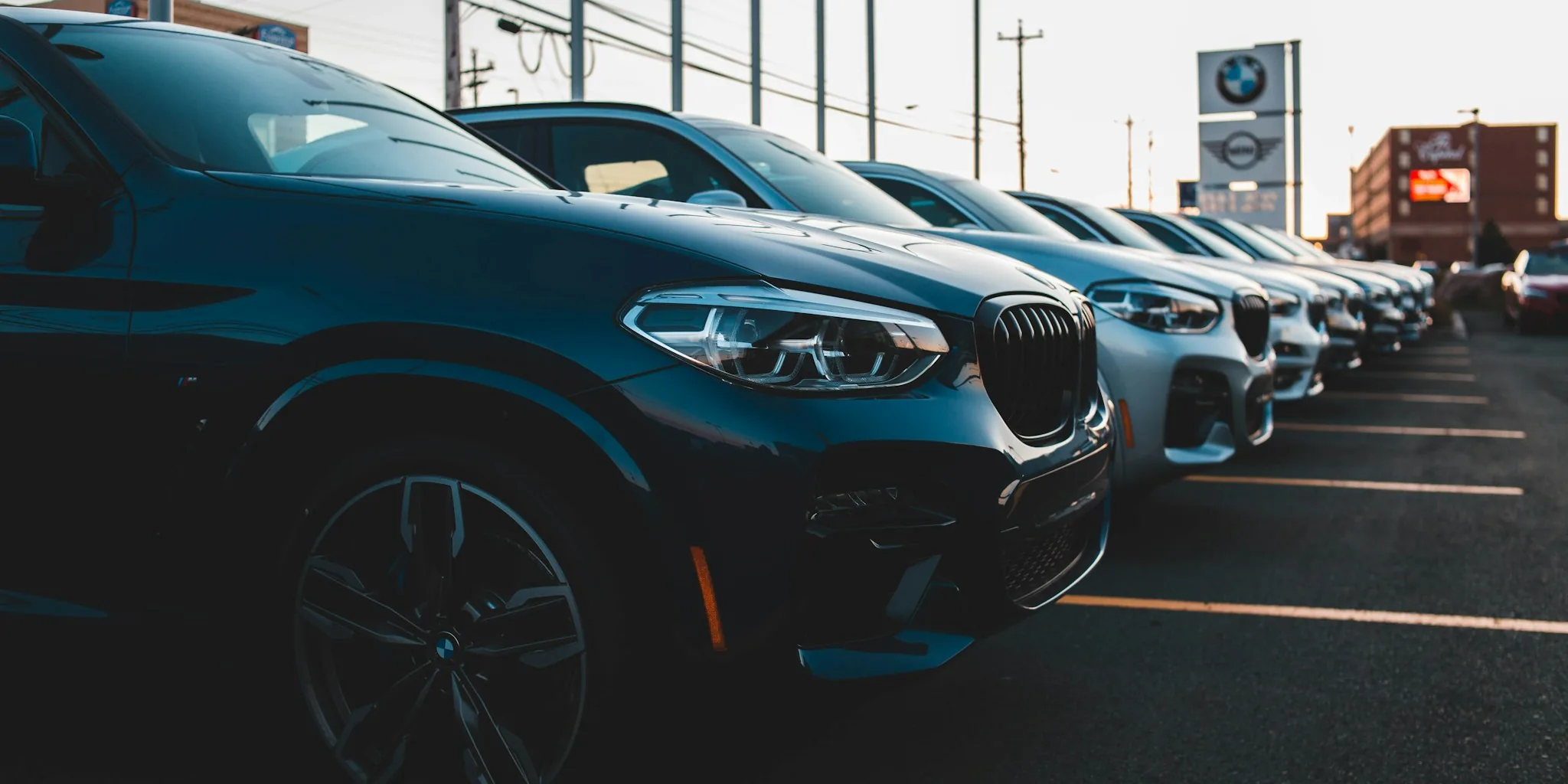

The 2026 model year brings significant changes to the automotive landscape. More than a dozen vehicles will vanish from dealer showrooms, affecting shoppers who were considering these models. Understanding which cars are ending production helps you make smarter purchasing decisions now, before inventory dries up.
The Sedan Era Continues to Fade
American consumers have largely shifted away from sedans toward taller, sport utility vehicles, and automakers are responding by eliminating traditional car models. The Acura TLX, once a cornerstone of the brand’s lineup, will not return for 2026. This marks Acura’s departure from offering a true luxury sedan for the first time since its inception. The TLX follows the earlier discontinuation of the RLX, leaving Acura’s showroom dominated entirely by SUVs.
Similarly, Chevrolet will no longer sell a single sedan in the United States after the 2025 model year. The Malibu, which served as the brand’s main sedan offering, reaches the end of its run. This shift reflects broader industry trends, as manufacturers increasingly focus production resources on trucks and utility vehicles that command higher profit margins.
Luxury Brands Make Strategic Cuts

Audi is retiring the A4 nameplate after decades as a mainstay of its lineup. The German automaker is consolidating its passenger vehicle offerings and replacing the A4 with the new A5, now available strictly as a four-door liftback. The A4 Allroad station wagon also disappears in this transition. Additionally, the Q8 e-tron, Audi’s battery-electric SUV, is being discontinued as the company closes the Belgian factory that produces it.
Lexus is saying goodbye to the RC coupe at the end of 2025, ending a model line that sold fewer than 2,000 units in 2024. The decision hits especially hard for enthusiasts who loved the RC F, a V-8 powered performance variant that delivered genuine driving excitement.
Infiniti is withdrawing both the QX50 and QX55, medium-sized luxury SUVs that represented important volume for the brand. The QX50 ranked as Infiniti’s second-best-selling model in 2024, yet the company is consolidating its lineup around the larger QX60 and forthcoming QX65 models.
Small SUVs and Compact Models Exit the Market
Kia is discontinuing the Soul, its quirky subcompact SUV that once appealed to younger, style-conscious buyers. Over time, the Soul lost its distinctive personality and evolved into a practical choice for older consumers seeking simple, affordable transportation. The brand will continue offering the Niro and Seltos as subcompact alternatives.
The Dodge Hornet, Cadillac XT4, and Cadillac XT6 are all reaching the end of their product cycles. The XT4 production ended earlier in 2025, with the Kansas City manufacturing plant transitioning to build the revived Chevrolet Bolt. The XT6, a three-row luxury SUV that filled a niche between the smaller XT5 and the massive Escalade, ends after just six model years.
Electric Vehicle Uncertainty
Several battery-electric vehicles face uncertain futures. The Hyundai Ioniq 6, despite winning awards as EV of the Year, will not be offered for 2026. Hyundai plans to resurrect the nameplate briefly when the high-performance Ioniq 6 N arrives in 2027, but the regular model may leave the U.S. market permanently afterward.
The Nissan Ariya is officially going on hiatus, with no confirmed return date. The battery technology and charging infrastructure supporting electric vehicles continues to evolve, and some manufacturers are pausing models to realign with market demand and tariff pressures. The Lotus Eletre, a Chinese-made EV, is also skipping 2026 due to tariff impacts, though the company hopes to return it to U.S. dealerships in 2027.
Special Cases and One-Year Gaps

Kia is temporarily pausing the Telluride, a three-row SUV that has won numerous accolades and maintains a loyal customer base. A second-generation model is planned for 2027, meaning the gap is just one model year. Jeep is consolidating its full-size SUV lineup by retiring the standard Wagoneer nameplate, with all variants badged as Grand Wagoneer starting in 2026.
The Jeep Wagoneer S, an electric version, is officially skipping 2026 but theoretically returning in 2027. However, industry observers are skeptical about whether it will actually come back, given similar patterns with other EV models. You can protect your investment in any new or recent vehicle with quality car covers designed for durability, regardless of which models remain available.
What This Means for Shoppers
If any of these vehicles interest you, acting quickly is prudent. Dealers are eager to clear 2025 model-year inventory to make room for 2026 stock, which may create bargaining opportunities. Production has already ceased for several models, limiting available inventory.
The broader trend shows automakers consolidating around profitable SUV and truck segments while eliminating sedans and niche models. This reflects real consumer preferences but also reduces choice. Before making your next car purchase, consider whether the specific model you want might be disappearing and whether waiting for a redesigned replacement makes sense for your timeline.




Write Your Review
No reviews yet. Be the first to share your experience!