
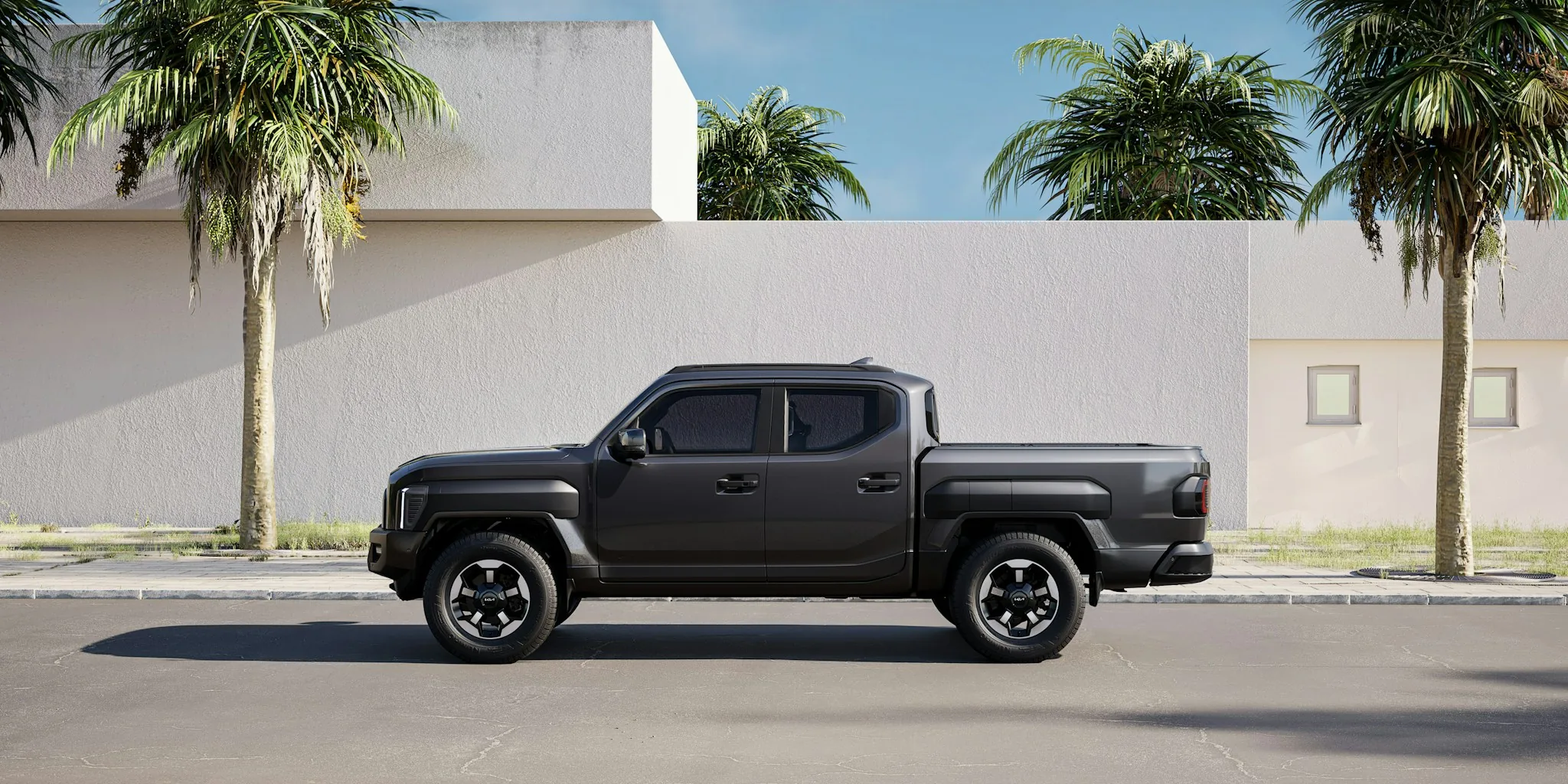

A new startup electric truck called Slate is shaking up the EV market with an aggressive price target that undercuts mainstream competitors by thousands of dollars. The bare-bones model is expected to start at just $26,400, addressing a persistent gap in the affordable vehicle segment. Slate aims to launch in the fourth quarter, and early testing reveals what buyers can expect from this no-frills approach to electrified transportation.
Modularity as a Cost Cutting Strategy
The core concept behind Slate is radical simplicity combined with buyer choice. Rather than forcing customers to pay for features they don’t want, Slate strips the truck down to essentials and lets you add upgrades piece by piece. The base model arrives bare, and nearly every amenity from upgraded audio to a center console can be purchased separately, either at the dealership or installed later at home. Some modifications like a two-row SUV body conversion or professional vinyl wraps require professional installation, but the flexibility appeals to budget conscious shoppers and those who view their vehicle as a customization platform.
The cabin reflects this austere philosophy. Hard plastics dominate every interior surface, with cushioning only on the seats. Storage consists of a low tray running beneath the dashboard, adequate for pocket contents though a taller center console is available for an additional cost. The headliner material prioritizes cost over comfort. While this may sound spartan, it directly translates to keeping the purchase price well below the current market average of $50,000 for new vehicles.
Performance and Range Improvements

Slate’s powertrain keeps things straightforward. A 181 horsepower electric motor drives the rear wheels, pulling power from a 63 kilowatt hour lithium ion battery. This battery represents an upgrade from the originally announced 45 kWh pack, and the boost increases the estimated driving range from 150 miles to 205 miles on a single charge. For buyers in urban and suburban areas, this range handles daily commuting without requiring constant charging.
Charging speed has been dialed back slightly during development. The startup initially promised 120 kilowatt DC fast charging capability but has revised that to 90 kilowatts after refining thermal management systems. While not the fastest charging available, the smaller battery means realistic charging times remain acceptable at public networks. Home charging overnight bypasses this constraint entirely, though many budget EV buyers lack home charging infrastructure, potentially driving adoption at public fast chargers.
What Driving the Slate Actually Feels Like
Behind the wheel during a brief test drive in the Newport, Rhode Island area, the Slate delivered adequate performance for everyday driving. The 181 horsepower motor provides sufficient acceleration for on ramp merges and city traffic navigation. Empty bed acceleration can generate rear wheel slip if you push hard, though the truck’s electronic speed limiter caps top speed at 90 miles per hour. Highway cruising feels less impressive, with power tapering noticeably once you reach steady speeds alongside other traffic.
The lightweight curb weight, estimated under 4,100 pounds, contributes to this efficiency. However, the trade off appears in other areas. Wind noise around the A pillars and side mirrors becomes noticeable, an issue that may worsen if buyers choose the optional SUV body conversion. Thick B pillars create sizable blind spots, a safety consideration worth noting. The ride quality surprised positively, with a smooth suspension that avoids harshness over bumps while keeping cabin noise in check. The compact form factor makes parking and maneuvering through congested streets effortless compared to larger trucks and SUVs.
The Quirky Brake System

One unexpected feature may divide owners: permanent one pedal driving, a system borrowed from brands like Rivian. Braking power is always managed through single pedal operation, even in reverse. The pedal position actually shifts based on current braking demand, creating consistent deceleration rates but feeling unusual to drivers accustomed to conventional brake pedals. Those who embrace single pedal driving will find this implementation smooth and intuitive, while others may need an adjustment period.
Who Should Consider This Truck
Slate’s positioning directly challenges the assumption that vehicles need heated seats, soft touch materials, and creature comforts to be worth buying. The automotive industry offers countless options for those unwilling to compromise on comfort, with mainstream brands releasing increasingly affordable EV models. However, Slate attracts a specific buyer: those seeking minimal transportation cost, those treating their vehicle as a creative platform, and those comfortable with simplicity.
The startup’s approach works because it acknowledges market reality. Not every driver needs luxury appointments, and millions of buyers would trade comfort features for lower monthly payments. The modular system lets individual customers make that trade off themselves rather than forcing every feature onto every vehicle. As the EV market matures and competition intensifies across vehicle categories, Slate’s formula may prove genuinely disruptive for budget conscious shoppers tired of paying for unnecessary features.





Write Your Review
No reviews yet. Be the first to share your experience!