
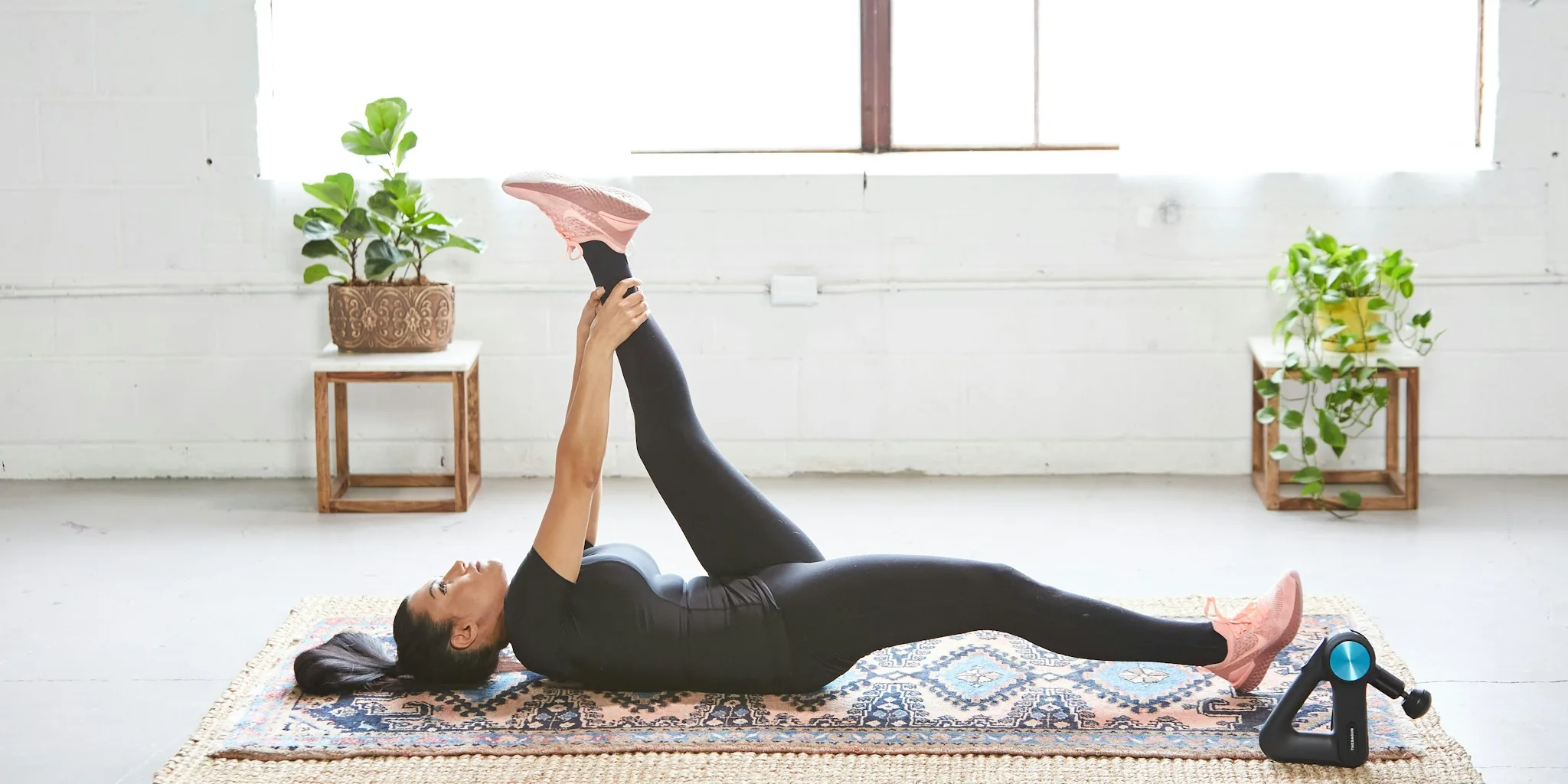

Professional endurance athlete Alexi Pappas has fundamentally changed how she approaches fitness by prioritizing recovery just as seriously as she prioritizes training. At 36, with a career spanning Olympic competition, marathons, ultramarathons, and work as a writer and mental health advocate, she’s learned a lesson that applies to every workout enthusiast: what you do after your workout matters as much as the workout itself.
For years, Pappas followed the mindset that more training always equals better results. “When I was younger, I thought toughness meant doing more,” she explains. “Now I think toughness means advocating for yourself.” Her approach has shifted toward three core principles: consistency, durability, and progress. This philosophy has led her to build recovery directly into her daily schedule rather than treating it as an optional add-on.
The College Advantage She Lost, Then Reclaimed
During her collegiate running years in Eugene, Oregon, recovery was built into the team structure. Every athlete used ice baths, spent time on medical tables, and wore compression boots after practice. When Pappas turned professional and relocated to Los Angeles, that entire support system vanished. She found herself attempting to recreate recovery on her own, booking occasional massages or improvising with nearby creeks. For years, she accepted heavy, fatigued legs as simply part of being a serious runner.
The turning point came when she realized portable recovery tools could bring the college experience home. “For the first time since college,” she says, “I could have compression at home and take it with me when I traveled.” This realization transformed her entire approach to fitness and recovery consistency.
Building a Multi-Tool Recovery System
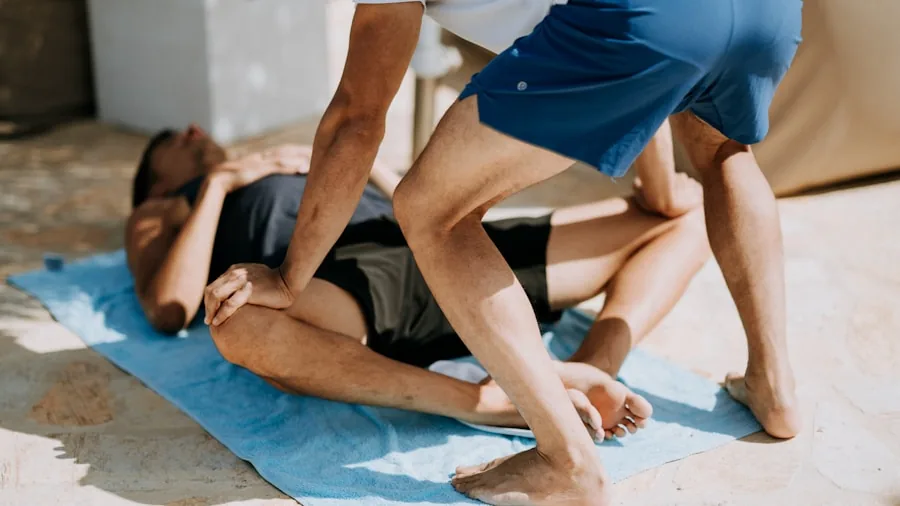
Pappas now uses a combination of specialized recovery tools, each serving distinct purposes based on the day’s training demands and her location. After easy runs, she spends a few minutes using compression boots to activate her legs. The same few minutes of recovery beats zero minutes, she notes, just as a short 10 or 20-minute workout still counts.
Following harder efforts and peak training weeks, she dedicates 45 minutes to more intense recovery sessions, adjusting compression and vibration settings to match the workout’s intensity. After evening training sessions, she relies on additional features like red light therapy to help her legs relax and calm down. When traveling for races, she packs a lighter, portable version to maintain consistency regardless of location.
A massage device complements this routine, often used pre-run on her lower back, glutes, and calves to address stiffness and prepare her body for movement. Pappas has learned to approach recovery holistically rather than treating individual tight muscles in isolation. “What’s tight isn’t necessarily what’s causing the problem,” she explains. If her hamstring feels tight, she’ll often work on her back instead, since that’s frequently the actual source of the issue.
Sleep as a Performance Tool
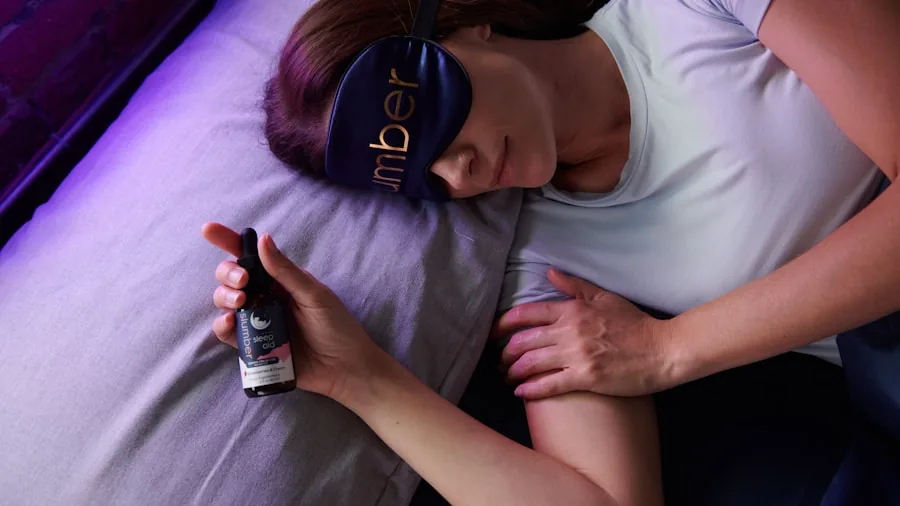
Beyond physical recovery devices, Pappas treats sleep as a critical performance component. She uses specialized eye compression technology combined with phone management and dimmed lighting to create optimal sleep conditions. This approach has proven particularly valuable when traveling across time zones. “I thought I’d only use these by my bedside,” she says, “but they completely changed the way I travel.” She now finds herself sleeping on planes, adjusting to new time zones more easily, and arriving rested and ready for competition.
The Daily Recovery Commitment
Pappas emphasizes that recovery begins the moment a workout ends. She treats post-workout nutrition and hydration as non-negotiable, fueling immediately and preparing for the next day by filling water bottles and mixing electrolytes before bed. This intentional approach means recovery tools and supplies are already available when she needs them, not scrambled together in crisis mode.
When choosing the best workout shoes for every budget and activity, she applies the same thoughtful philosophy. The right gear supports consistent training, and consistent training requires consistent recovery. Wearing appropriate workout shorts that won’t distract or cause chafing also supports longer, more focused training sessions that benefit from solid recovery afterward.
Her final insight resonates across all fitness levels: “You don’t actually get fitter during the workout. You get fitter when you recover from the workout.” This understanding separates runners simply logging miles from those building sustainable careers and fitness progress. Recovery isn’t a luxury or a trend that comes and goes. It’s the foundation that allows your workout efforts to translate into real, lasting results. By making recovery intentional rather than accidental, any fitness enthusiast can improve consistency, durability, and measurable progress.





Write Your Review
No reviews yet. Be the first to share your experience!