

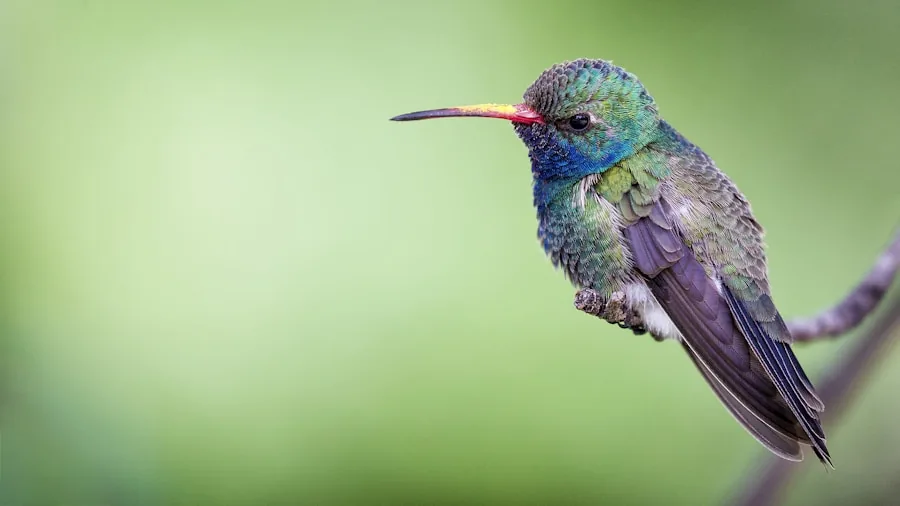
As summer winds down, hummingbirds across North America are entering a critical phase. After raising their young, they begin molting and preparing their plumage for one of nature’s most grueling journeys: the fall migration. During this time, these tiny birds need all the help they can get, and a simple garden addition costing around $20 can make a real difference in their survival odds.
Why Hummingbirds Need Water Right Now
Hummingbirds rely on nectar for most of their hydration, but water plays an equally vital role in keeping their feathers migration-ready. These birds bathe frequently, sometimes up to four times daily, to remove sticky residue from flower nectar and keep their plumage in top condition. Clean, well-preened feathers are essential for insulation, waterproofing, and efficient flight. Considering that many species must fly a non-stop 500-mile stretch across the Gulf of Mexico as part of their migration route, every detail matters.
The stakes are high. Research shows that 8 to 10 percent of adult hummingbirds don’t survive the fall migration, and the mortality rate among juveniles on their first trip reaches a devastating 60 to 70 percent. Optimal feather condition directly impacts survival chances.
The Solution: A Floating Solar Fountain
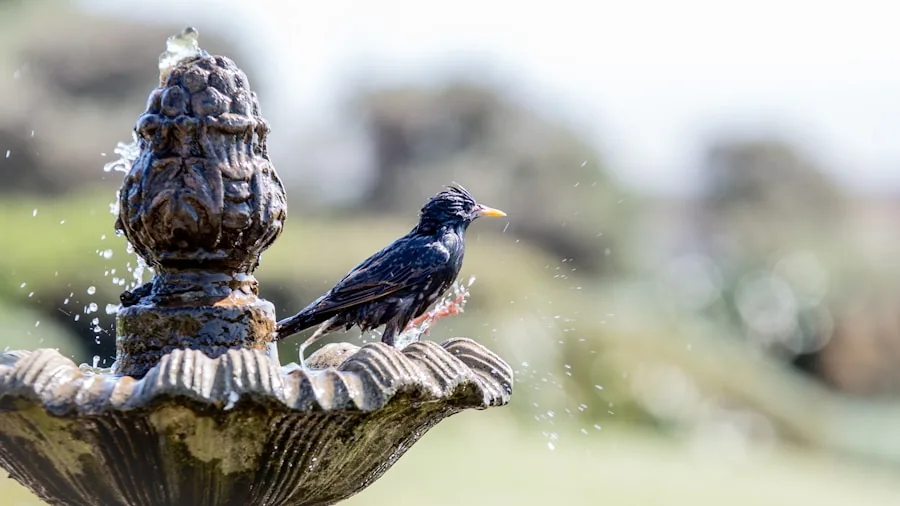
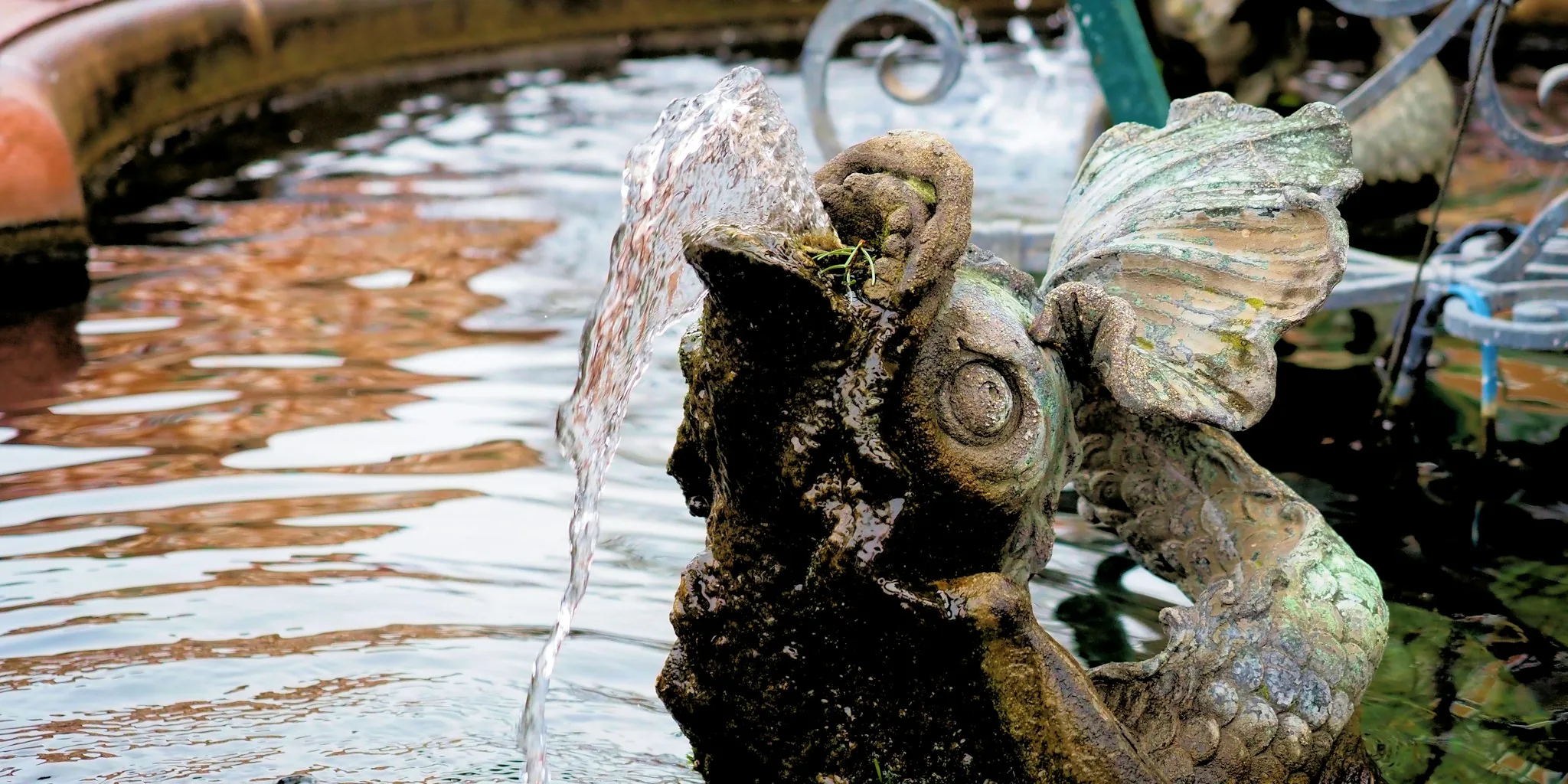
Hummingbirds have legs measuring less than half an inch, which means they avoid traditional bird baths where they could become fully submerged and vulnerable to predators or drowning. Instead, they seek out fountains and waterfalls where they can dart repeatedly through sprays of water. A solar-powered floating fountain placed in your garden provides exactly what they need.
These fountains are affordable, easy to set up, and require no electricity. A basic floating solar fountain typically costs between $15 and $25, making it an accessible way to support local hummingbird populations during this critical season.
Setting Up Your Hummingbird Fountain
Choosing the right container is your first step. If your existing bird bath has a small diameter, water from the fountain spray will spill over the sides too quickly. Instead, consider using a wider, deeper container such as a plant-pot saucer, utility tub, or even an old planter sealed with marine silicone. A wider base allows you to run a more powerful fountain and hold more water, reducing how often you’ll need to refill it.
When selecting a fountain, match its power output to your container size. For standard bird baths, a 1 to 1.5-watt solar fountain is sufficient. For larger containers, aim for at least 2.5 watts to create a taller spray. Look for models with stabilizing arms to prevent the fountain from floating too close to the rim, multiple nozzle options to control spray pattern, and run-dry protection that automatically shuts off when water runs low.
If you plan to position your fountain in partial shade or want it to operate on cloudy days, choose one with a rechargeable battery. A 2000mAh battery typically provides 3 to 4 hours of operation without direct sunlight. Position your fountain within 20 feet of any existing nectar feeders so hummingbirds discover it quickly. A spot that receives around 6 hours of direct sunlight daily strikes the ideal balance between powering the solar panels and minimizing water evaporation. Make sure the area around the fountain is fairly open to prevent predators from hiding in dense vegetation nearby.
Beyond the Fountain: Additional Support
While a fountain is invaluable, you can do more to help hummingbirds prepare for migration. Keep your nectar feeders clean and filled with properly concentrated sugar water throughout the season. Plant fall-blooming flowers and fast-growing annuals that will flower within 45 days of planting, ensuring a continuous nectar supply. Adding flowering groundcover to your borders or hanging flower baskets extends the buffet even further.
Hummingbirds also benefit from small perches positioned within 6 feet of the fountain where they can preen between bathing sessions. Finally, consider applying window decals to prevent collisions, a common hazard during migration season.
When to Start
Timing matters. In northern regions, hummingbirds begin their fall migration as early as August, while southern states see peak migration activity from September through October. Now is exactly the right moment to install a fountain and provide these remarkable birds with the water they need to arrive at their wintering grounds healthy and strong.
A floating solar fountain represents an easy, affordable investment in supporting hummingbird populations during one of nature’s most critical periods. Your garden will become a vital rest stop for migrating birds, and you’ll enjoy watching these fascinating creatures enjoy their new spa year after year.


Write Your Review
No reviews yet. Be the first to share your experience!