
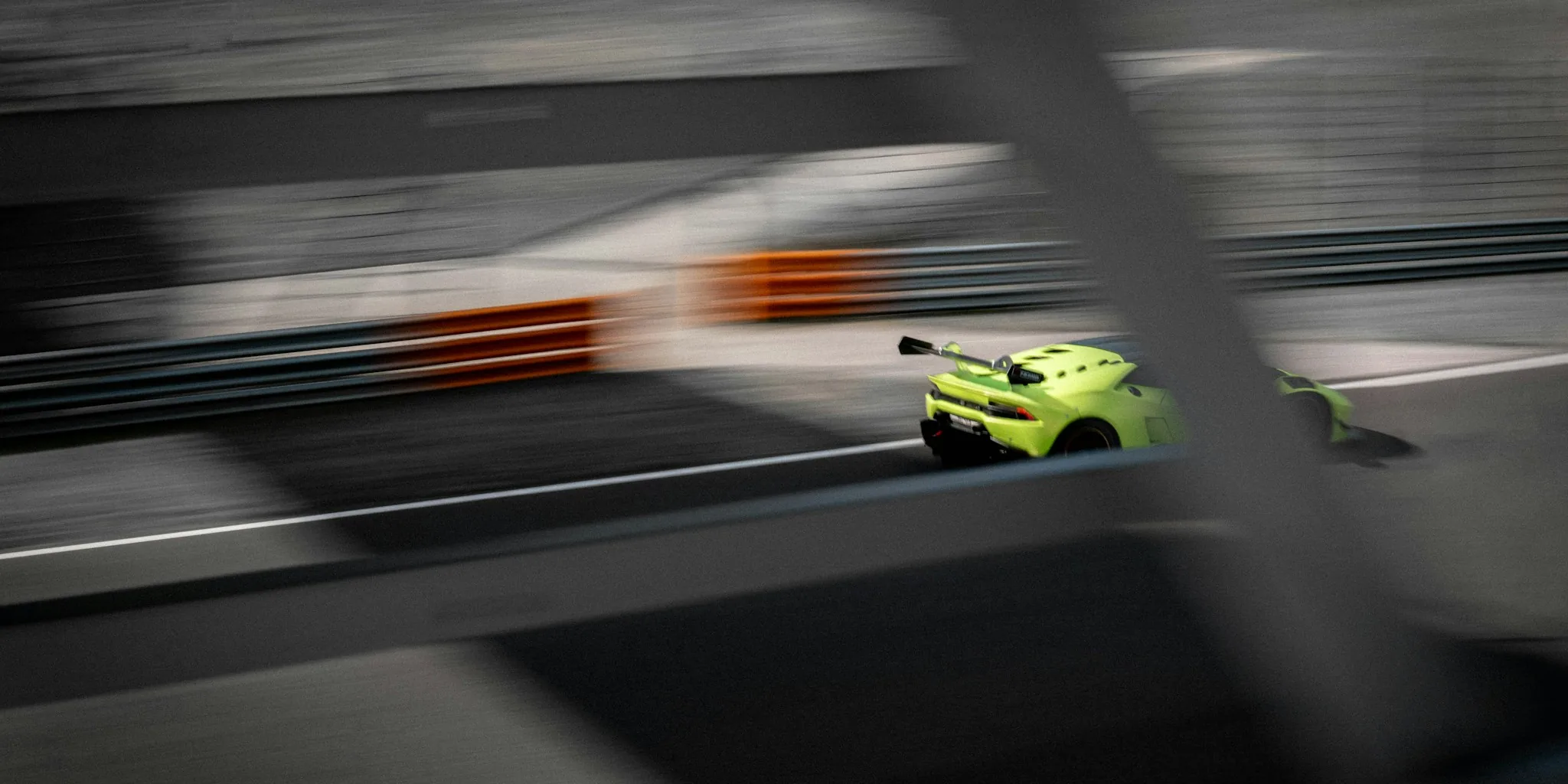

A Game Changing Upgrade to America’s Favorite Pony Car
In 2001, race-car builder Jack Roush introduced a significantly modified Mustang that challenged conventional wisdom about what a tuned American sports car could deliver. The Roush Stage 3 Mustang entered production after years of development and engineering refinement, offering buyers a factory-backed alternative to stock performance models. What makes this particular vehicle noteworthy is not just its raw speed, but what it represents for the future of affordable American performance.
Performance Numbers That Surprise
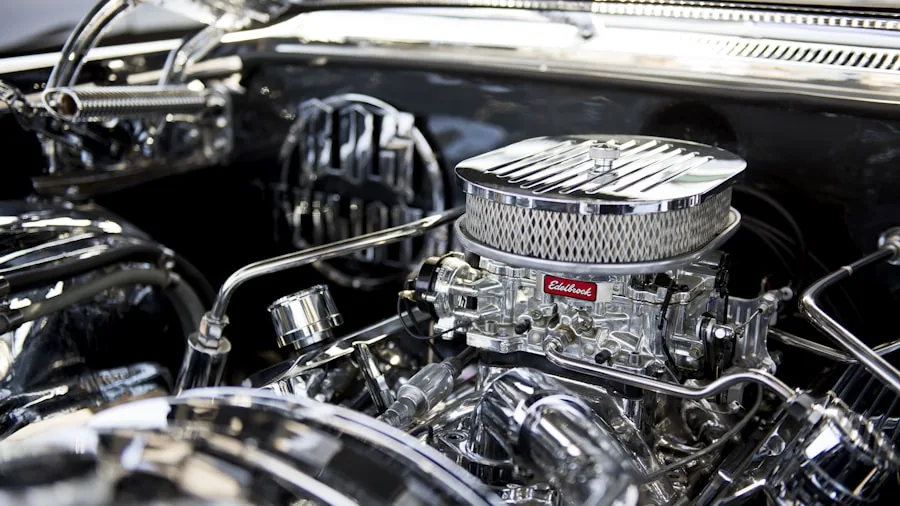
The heart of the Stage 3 is a supercharged and intercooled 4.6-liter V-8 engine producing 360 horsepower. To achieve this output while meeting strict federal emissions standards, Roush engineers tested 41 prototype engines to find the ideal balance of boost pressure, fuel delivery, and long-term durability. The result is an engine with a broad, flat torque curve and throttle response typically associated with higher-end competitors.
In independent testing, the Stage 3 coupe accelerated from 0 to 60 mph in 4.3 seconds and completed the quarter-mile in 12.9 seconds at 111 mph. These numbers put it within striking distance of the Corvette Z06 while outpacing Ford’s own SVT Cobra R. Top speed reached 164 mph, demonstrating the engineering team’s commitment to genuine performance rather than superficial modifications.
Suspension and Handling Excellence
Beyond raw horsepower, the Stage 3 received a complete suspension overhaul that transformed how the car handles in corners. New springs, shocks, anti-roll bars, and suspension bushings lowered the ride height by approximately one inch and dramatically improved cornering balance compared to standard Mustangs. The Stage 3 resisted the front-end plowing that plagued stock models and demonstrated impressive body control during hard cornering.
Testing revealed lateral grip of 0.91 g on the skidpad, with virtually no body roll during aggressive maneuvers. The tighter suspension tuning did come with a trade-off: the ride quality became noticeably harsh over bumps, a necessary sacrifice for racetrack capability. Despite this stiffness, the car felt secure and stable even at triple-digit speeds, making it suitable for track use as well as street driving. If you’re serious about performance, reliable car phone mounts become more important for keeping your devices secure during spirited driving.
Braking Performance and Safety
The Premium Stage 3 package included Alcon four-piston brakes with 14-inch front rotors and 13-inch rear rotors, demonstrating exceptional fade resistance during repeated hard stops. The braking system proved strong enough to inspire confidence during track sessions, where five test vehicles completed three hours of continuous hot lapping without a single failure.
Stopping distance from 70 mph measured 185 feet, slightly longer than expected given the braking hardware. This disparity likely resulted from anti-lock brake tuning that had not yet been optimized for the new brake components. Still, the stopping power remained more than adequate for safe operation at all speeds, and the Alcon brakes provided reassurance during high-speed runs on test ovals.
Pricing and Availability
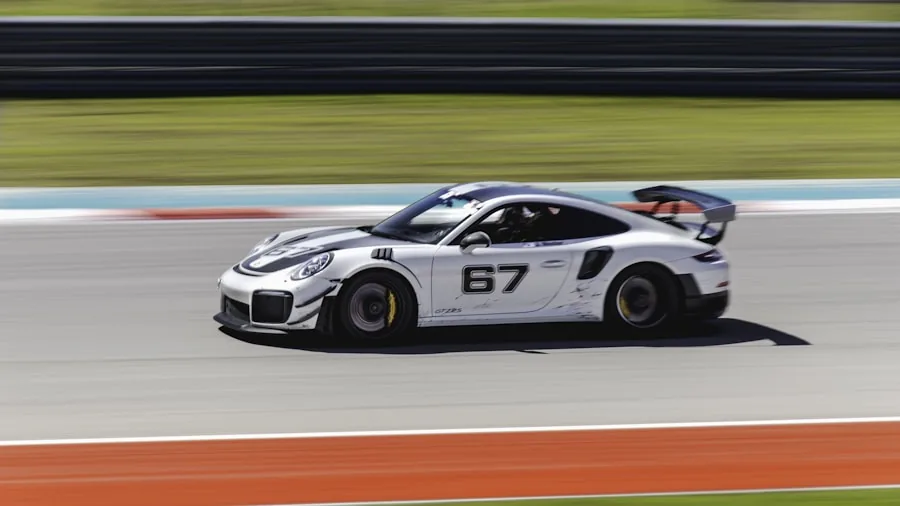
The base Stage 3 coupe started at $40,704, making it significantly more affordable than competing high-performance vehicles. The tested Premium package version, with its enhanced suspension, upgraded brakes, body enhancements, and interior refinements, reached $50,558. A convertible variant added $4,255 to the coupe price, offering open-air enjoyment without compromising performance potential.
Roush sold the Stage 3 as a complete vehicle through Ford dealerships rather than as an aftermarket modification kit. This factory-backed approach meant each car met the same environmental and safety regulations as any new vehicle sold in America. Approximately 750 examples were planned for production, distributed among 200 Ford dealers nationwide.
What This Means for Buyers Today
The Stage 3 represented genuine engineering innovation in the performance car segment during a time when American muscle was regaining credibility. For buyers choosing between expensive European sports cars and domestic options, this Mustang delivered trackworthy performance at a fraction of competitor pricing. Modern electric performance alternatives now challenge traditional combustion engines, but the Stage 3’s approach demonstrates how thoughtful engineering and forced induction can transform existing platforms.
The base model made the strongest case for value-conscious performance enthusiasts. Without the aggressive body kit, it functioned as an effective sleeper, delivering genuine tire-smoking acceleration without telegraphing its capabilities to casual observers. Whether seeking track capability, stoplight acceleration, or simply a more engaging driving experience, the Stage 3 Mustang proved that American engineers could compete directly with established performance nameplates when given the opportunity and resources to do so properly.





Write Your Review
No reviews yet. Be the first to share your experience!