
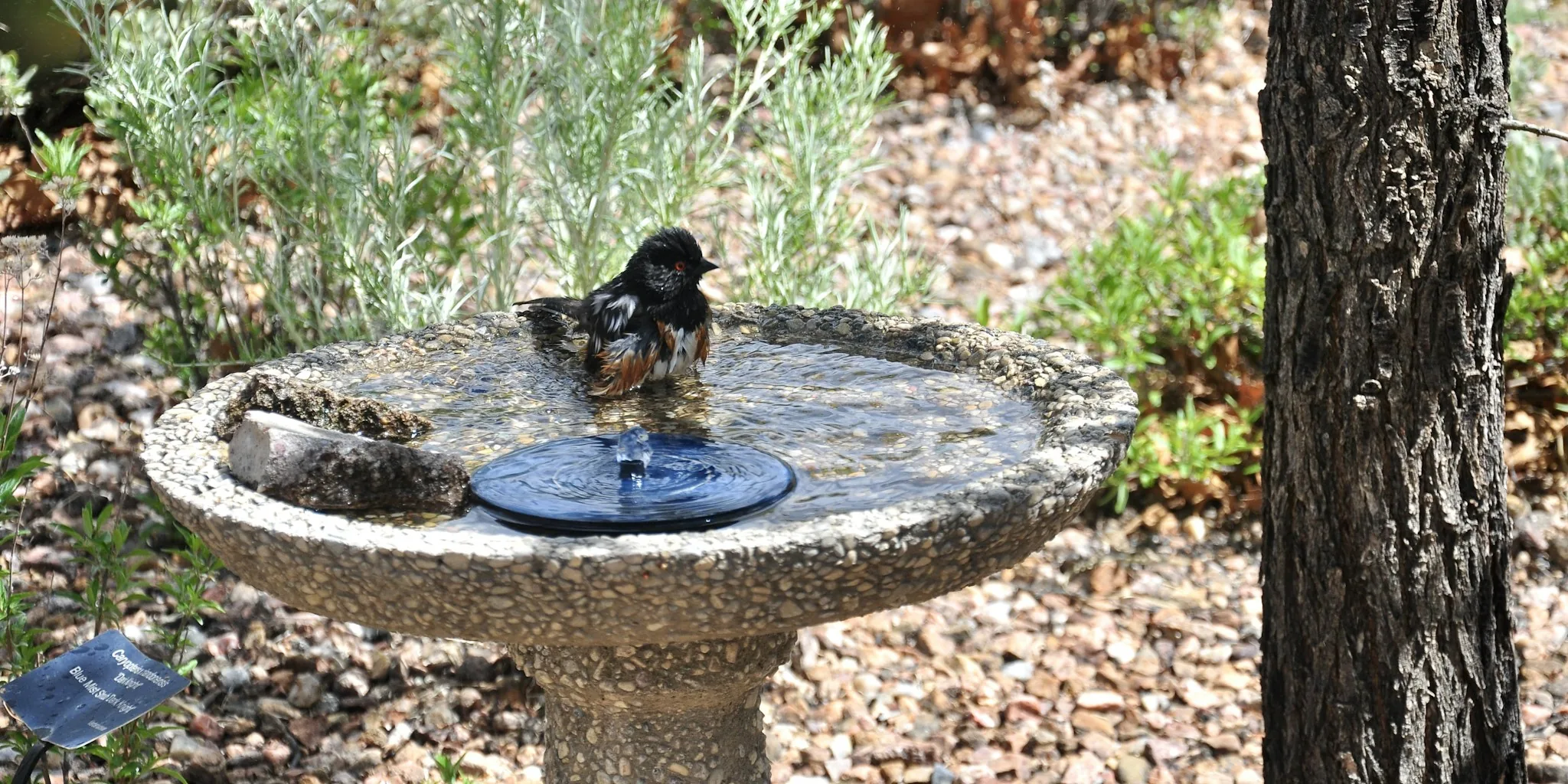

As temperatures continue to climb, wildlife across the country is facing a genuine crisis. Birds, bees, butterflies, and countless other creatures are struggling to find basic necessities like fresh water and shade when extreme heat arrives. The good news is that your backyard garden can become a life-saving refuge for local wildlife, and implementing these strategies requires only modest effort and investment.
Provide Fresh Water with a Bird Bath
One of the simplest and most effective ways to help wildlife survive a heat wave is installing a bird bath. Birds rely on available water sources not only for drinking but also for cooling off when temperatures soar. When natural water sources dry up, a bird bath becomes an essential lifeline.
You can purchase a ready-made bird bath or build one yourself with basic materials. Position it somewhere visible yet close to shrubs, allowing birds to retreat to safety if they feel threatened. During hot weather, refresh the water daily. This practice accomplishes two things: it attracts more wildlife visitors and prevents mosquitoes from breeding in stagnant water, which nobody wants.
Create a Shallow Watering Station for Pollinators
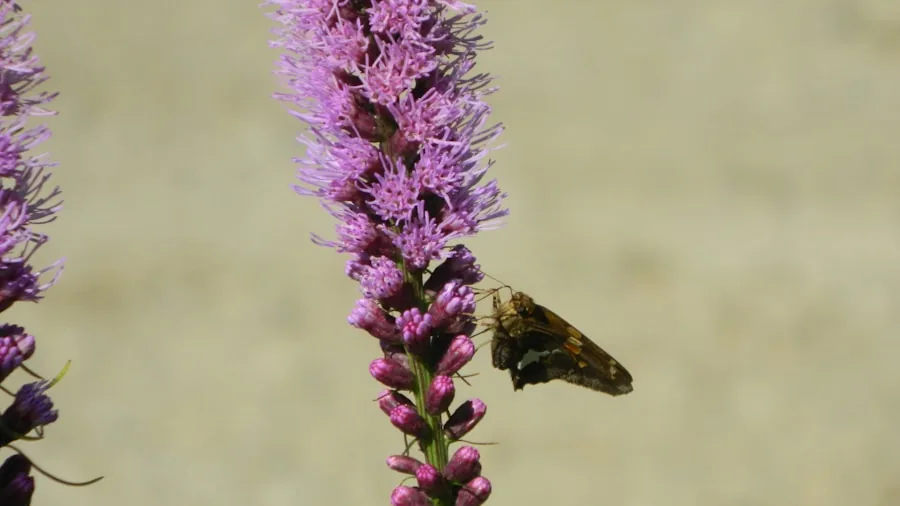
Bees and butterflies also need water during heat waves, but deep containers pose a drowning risk for these tiny creatures. Fill a shallow dish with fresh water and scatter pebbles across the bottom to create safe landing spots. This simple five-minute project transforms an ordinary saucer into a pollinator pit stop that could save insect lives.
You can also find purpose-built bee cups online that offer the same function with a more polished appearance. Either solution costs very little and delivers genuine value to your local pollinator population.
Preserve Shady Microclimates in Your Garden
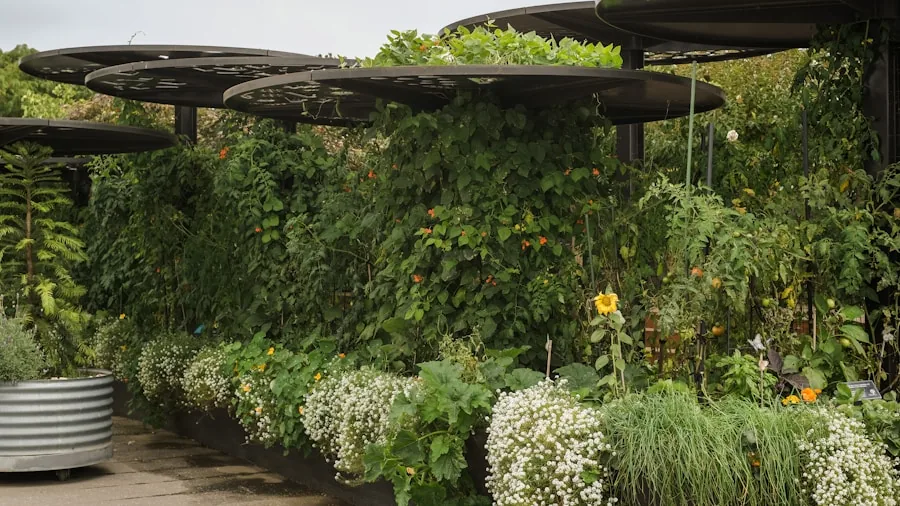
Many gardeners assume that a tidy garden is always the best garden, but wildlife tells a different story, particularly during extreme heat. Dense flowering shrubs, ornamental grasses, climbing vines, and the cool shade beneath mature perennials all create critical cooling zones where animals can escape the hottest parts of the day.
Rather than cutting back every plant or clearing every corner, allow these natural shade pockets to remain intact. They function as nature’s own air conditioning system, helping creatures survive dangerous temperatures. Living mulch plants also reduce your watering needs while providing cover.
Embrace Strategic Untidiness for Wildlife Shelter
Your impulse to deadhead flowers, sweep leaves, and mow the lawn regularly may need adjustment during heat waves. Those slightly messy corners provide valuable shelter that wildlife desperately needs. Log piles, tree stumps, seed heads, and dense planting create cooler, more humid microclimates where insects and small creatures can survive peak heat.
Leaving fallen leaves and plant cuttings in an out-of-sight corner creates an insect haven that also benefits birds searching for food. You don’t need a perfect garden during these months, and your wildlife neighbors will thank you for the reprieve from constant tidying. For maintaining other garden tasks, consider investing in quality garden pruners for every budget and skill level so you can handle necessary maintenance efficiently.
Plant Heat-Tolerant, Nectar-Rich Flowers
Growing flowers that bloom through the hottest weeks of summer provides essential nectar sources when pollinators need them most. Focus on native species whenever possible, as they’re adapted to your local climate and wildlife.
Excellent heat-tolerant choices include coneflowers, asters, blazing star, bee balm, and native sunflowers. These reliable bloomers not only support pollinators but also brighten your borders with color. When selecting plants, remember that consistent blooms matter more than occasional blooms during mild weather. Reliable garden hoses for every yard size will help you keep these heat-sensitive bloomers properly hydrated through the growing season.
The Cumulative Power of Small Actions
While one bird bath or a handful of extra flowers won’t solve the entire wildlife crisis, collective action creates meaningful change. If every gardener in a neighborhood provides drinking water, patches of shade, and safe resting spots, thousands of small refuges emerge throughout the community.
These interconnected sanctuaries can make the difference between life and death for countless creatures during heat waves. Your garden has the potential to be a beacon of safety in an increasingly challenging environment. Start small, implement one or two strategies this season, and expand your efforts as you see results. Your local wildlife is counting on it.


Write Your Review
No reviews yet. Be the first to share your experience!