

The Workout Showdown: What Fitness Pros Say About Building Muscle
If you’re deciding between strength training and Pilates for your next workout routine, you’re facing one of fitness’s most common questions. Both approaches challenge your muscles using resistance, but they work quite differently. Understanding the distinction helps you choose the right method or, better yet, combine them strategically.
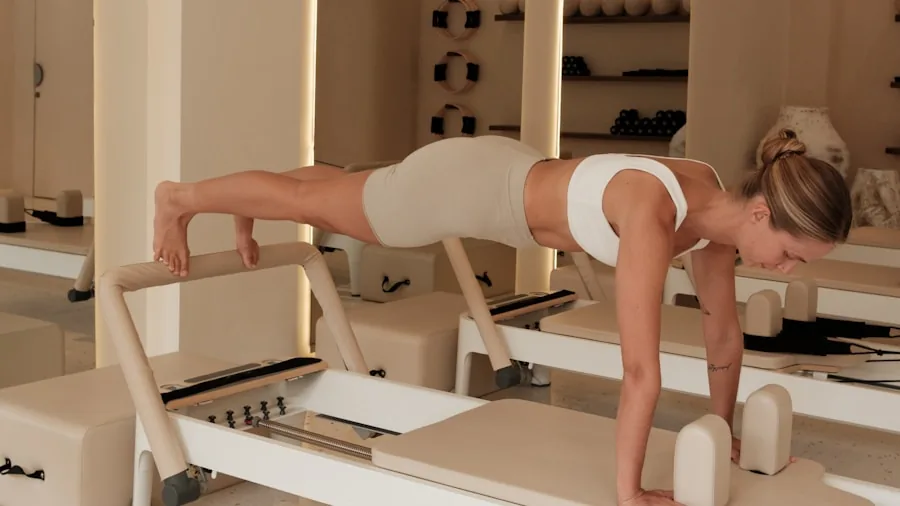
Strength training uses weights, machines, resistance bands, or your body weight to push your muscles against external resistance. Mat Pilates relies on moving your body against gravity, while reformer Pilates adds a machine with adjustable springs and a moving platform. Each method builds strength through distinct mechanisms, and recent research reveals important differences in their effectiveness for muscle growth.
How Strength Training Builds Muscle and Strength
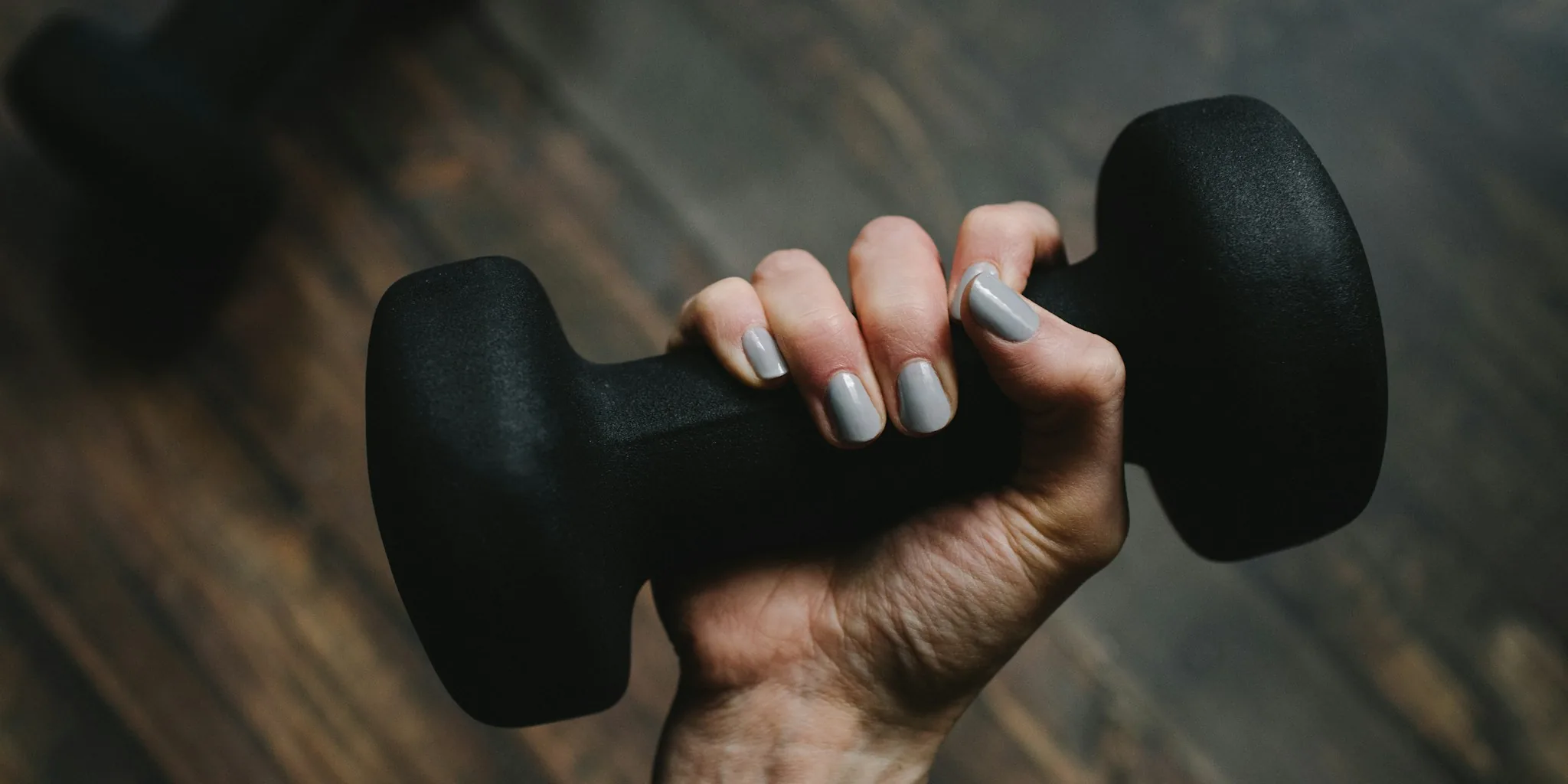
Strength training excels at building muscle because it targets large muscle groups through fundamental movement patterns: squats, hinges, pushes, and pulls. The real secret is progressive overload, the principle of steadily increasing weight, reps, sets, or exercise intensity over time. Your muscles adapt and grow stronger as you consistently challenge them with heavier loads.
Beginners typically notice measurable strength gains within four weeks. Over months, this compounds into genuine muscle growth that translates to real life. You’ll find it easier to carry groceries, lift children, move furniture, and navigate daily tasks with less fatigue and reduced injury risk. When you’re lifting, aim for an effort level of seven to nine on a scale of one to ten during your final reps to maximize muscle-building potential.
Strength training also strengthens your bones by placing stress on them, triggering bone tissue growth. Research shows that resistance training three times weekly improves bone mineral density, particularly in the hips, neck, and spine, making it especially valuable for preventing osteoporosis. Additionally, building muscle mass improves your metabolic health by enhancing glucose absorption and increasing your resting energy expenditure. This leads to better insulin sensitivity and blood sugar control, reducing your risk of type 2 diabetes and fatty liver disease.
What Pilates Offers for Fitness
Pilates builds modest amounts of muscle, particularly when you’re new to the practice or returning after sedentary periods. However, these gains plateau over time because Pilates exercises aren’t typically performed to failure and lack progressive overload mechanisms. You can increase spring resistance on a reformer, but machines only have four or five springs, limiting how much harder you can push. Adding heavy hand weights to mat Pilates compromises form and safety, blurring the line into traditional strength training.
Pilates excels at improving posture by strengthening your core and back muscles. Research confirms that six weeks of Pilates-based core training enhances muscle function and coordination while alleviating low back pain better than many other fitness approaches. The practice also increases flexibility through dynamic stretching movements and improves your mind-body connection, helping you recognize unnecessary tension patterns like shoulder shrugging or jaw clenching.
You’ll find the best workout shoes for every budget and activity essential whether you choose Pilates or strength training, as proper footwear supports correct alignment and prevents injury across both modalities.
Strength Training vs Pilates: Which Wins for Muscle Building
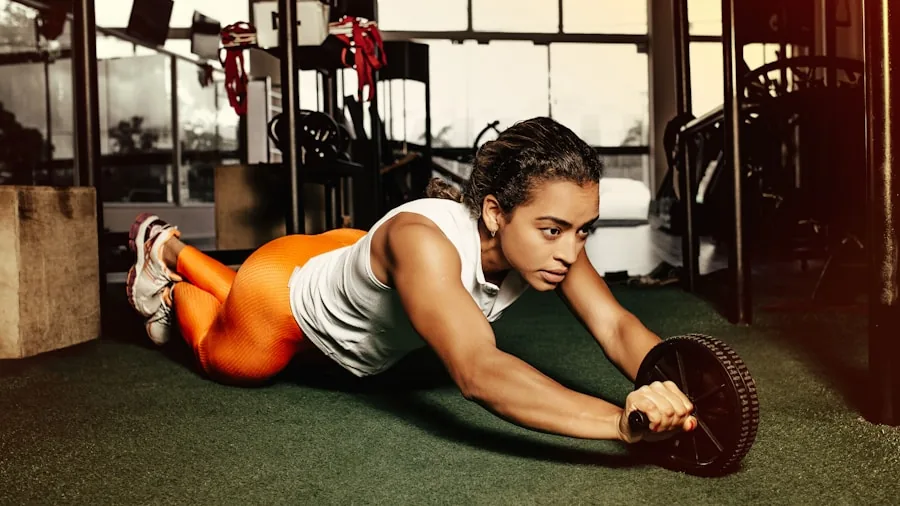
For pure muscle and strength development, strength training is the clear winner. The ability to progressively increase weight and reps makes it far superior for triggering muscle growth. With Pilates, you’ll eventually hit a ceiling where progression becomes difficult.
However, these methods aren’t competitors; they’re complementary. Pilates teaches proper core engagement, which is crucial for lifting heavy safely without straining your spine. Many people discover through Pilates that they’ve never properly activated their core until practicing it. After intense strength sessions, Pilates provides refreshing variety, mobilizing your body through ranges of motion you might not experience daily: flexion, extension, and rotation.
The Optimal Workout Plan
Combine both modalities for the best results. Aim for two to four strength training sessions weekly, one to three Pilates sessions per week, your preferred cardio exercise, and movement purely for enjoyment. This balanced approach keeps your routine challenging, sustainable, and enjoyable without overtraining any single system. Eight walking workout methods experts recommend can fill your cardio and movement-for-fun slots while supporting overall fitness.
When selecting gear, remember that the best workout shorts for men aren’t just comfort items, they support your range of motion and confidence regardless of whether you’re lifting weights or practicing Pilates. The right equipment choices enhance consistency and performance across your entire routine.





Write Your Review
No reviews yet. Be the first to share your experience!