

A groundbreaking research collaboration between universities in the UK, France, and the United States has overturned decades of pet-care mythology and given cat owners a scientific lens for understanding their aging companions. Published in June 2026, the study analyzed nearly 3,800 data points across multiple species, including brain imaging, blood markers, and developmental milestones, to map how aging actually unfolds in cats and humans. The findings challenge the widely accepted “seven cat years equals one human year” rule and reveal something far more meaningful: cats and humans experience aging in strikingly similar ways at the cellular and neurological level.
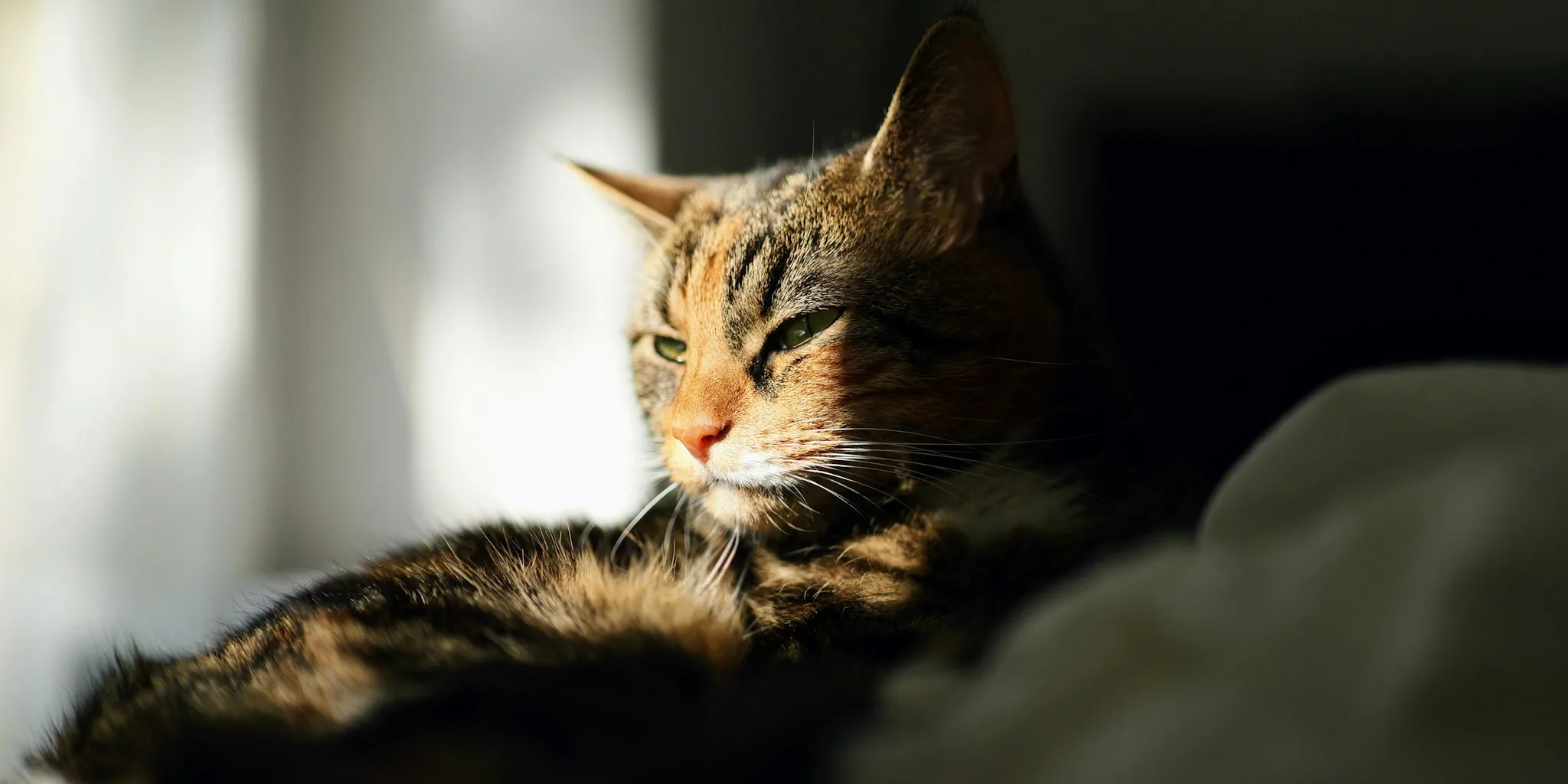
For generations, pet owners have relied on a simple multiplication shortcut to calculate their cat’s age relative to a human lifespan. That convenient math has never held up to rigorous scrutiny. The new research replaces folk wisdom with hard biological evidence, showing that aging doesn’t follow a straight line in either species. Instead, it accelerates and decelerates across different life stages, much like traffic on a crowded highway during rush hour. A senior cat in their mid-teens, lounging on a sunny windowsill, is neurologically closer to an 80-year-old human than the old formula ever suggested.
Brain Imaging Reveals Common Ground Between Cats and Humans
The most compelling evidence comes from MRI scans comparing aging brains across species. Researchers observed that both older cats and older humans develop similar structural changes: overall brain shrinkage, expansion of fluid-filled ventricles, and patterns of neurodegeneration typically associated with advancing age. These aren’t cosmetic changes or coincidences. They point to a shared biological clock ticking away at remarkably similar rates in both animals.
This discovery matters enormously for cat owners because it legitimizes behaviors that have long been dismissed as harmless quirks of old age. If your senior cat stares blankly at walls, wanders the house at 3 AM calling out for no apparent reason, seems disoriented in familiar spaces, or has accidents outside the litter box, these aren’t just “cats being cats.” They’re potential signs of the same kind of brain changes happening in aging humans, and they warrant a conversation with your veterinarian rather than a shrug and a wait-and-see attitude.
What This Means for Recognizing Feline Cognitive Changes
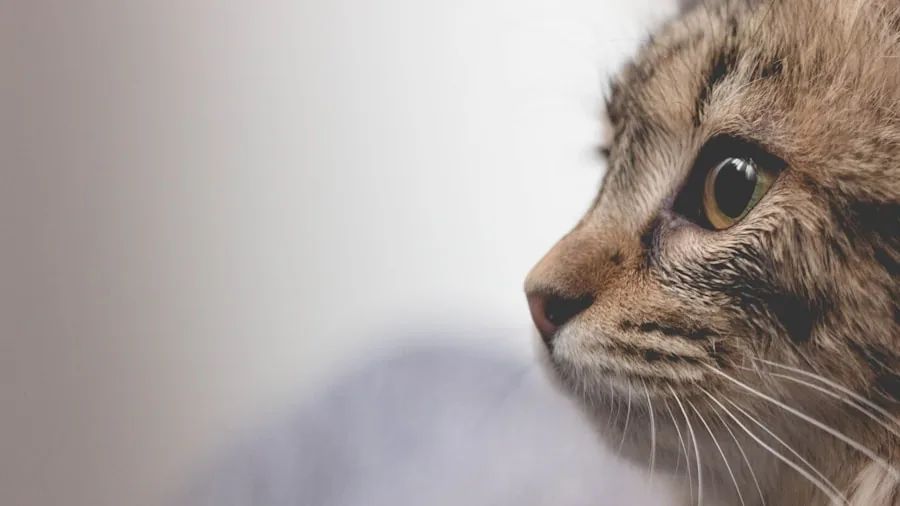
Veterinarians have long tracked feline cognitive dysfunction in elderly cats, but this study adds scientific weight to symptoms that owners often overlook. Changes in sleep patterns, increased nighttime vocalization, disorientation in familiar surroundings, and litter box issues can all signal age-related brain changes worth investigating. The key insight is that these signs deserve attention, not dismissal.
Understanding the biology behind your cat’s behavior opens doors to better care. Proper nutrition, mental stimulation, veterinary monitoring, and environmental adjustments can all help manage cognitive changes in aging cats. Quality food choices matter too. If your cat is a picky eater, finding the right option can support overall health and brain function. Many cat owners report success with foods formulated specifically for senior cats or those with special dietary needs. If you’re struggling with a finicky eater, exploring options for picky eaters may reveal something your cat actually enjoys and that supports their aging brain and body.
How This Research Could Transform Veterinary and Human Medicine
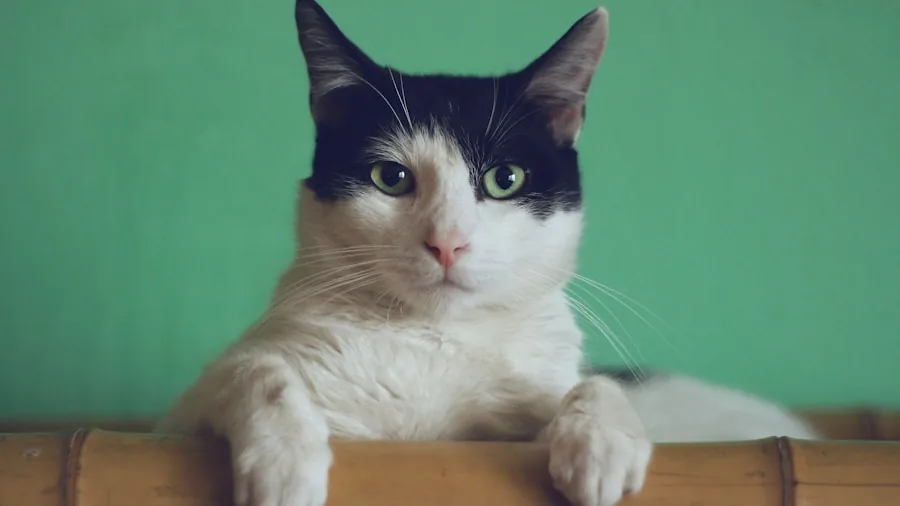
The study is part of a larger initiative called Translating Time, which aims to develop meaningful ways to compare aging across different species instead of relying on rough conversions. Cats may be one of the most valuable research subjects for this work, living long enough to develop age-related brain changes that most laboratory animals don’t survive to experience. They accomplish this on a dramatically shortened timeline compared to humans, making them an unusually efficient natural model for studying neurological aging.
A practical benefit is already unfolding: more cat owners are requesting advanced brain imaging to investigate suspected disease in their pets. Each scan contributes real-world data that gradually builds a shared pool of knowledge benefiting both feline and human patients. Researchers are calling for closer collaboration between veterinary and human medicine, including large-scale companion animal health databases similar to those used in human aging studies. Since cats share our homes and, as this research shows, much of our aging biology, formalizing that connection into research infrastructure could accelerate breakthroughs in understanding conditions like dementia.
What Savvy Cat Owners Should Do Now
For shoppers selecting products and care approaches for aging cats, this research provides a framework for smarter decisions. Your senior cat’s afternoon nap marathon isn’t laziness; it’s a biological reality mirroring what happens in human brains as they age. Proper hydration becomes increasingly important, and cat water fountains can encourage older cats to drink more. Similarly, accessible feeding stations and appropriate cat bowls reduce physical stress for arthritic or aging cats, supporting both comfort and cognition.
The broader takeaway is that aging in cats deserves the same thoughtful, science-informed approach we’re increasingly giving to human aging. Watch for behavioral changes, discuss them with your vet, and choose products and routines that support your cat’s evolving needs. That sun-loving senior cat isn’t just getting old; they’re experiencing a complex neurological journey remarkably similar to our own.

Write Your Review
No reviews yet. Be the first to share your experience!