
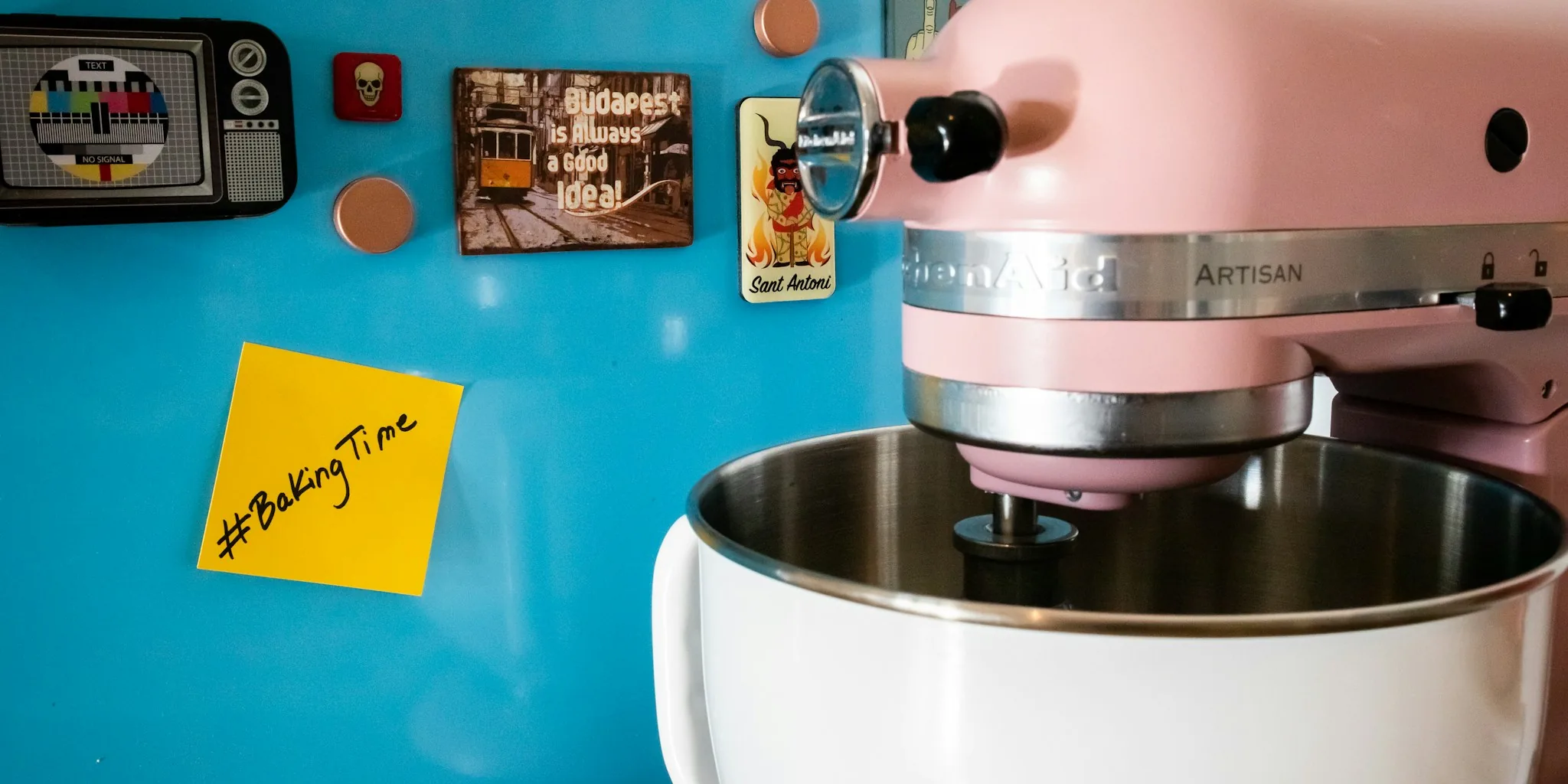

A Behind-the-Scenes Look at Stand Mixer Production
Most home cooks never think about where their stand mixer comes from or how it’s built. A kitchen appliance reviewer recently toured a major stand mixer manufacturing facility in Greenville, Ohio, and gained insights that reveal why these machines cost what they do and hold up to years of heavy use.
The factory, which has been producing stand mixers since 1942, is the only facility dedicated exclusively to this product line for the company. Nearly 900 employees work there daily to assemble hundreds of units. The scale of operation is impressive: multiple assembly lines run simultaneously, with robots transporting components and finished units throughout the sprawling facility. Seeing the operation firsthand demonstrates the complexity and coordination required to deliver a reliable stand mixer to your kitchen.
Individual Parts Get Painted Before Assembly
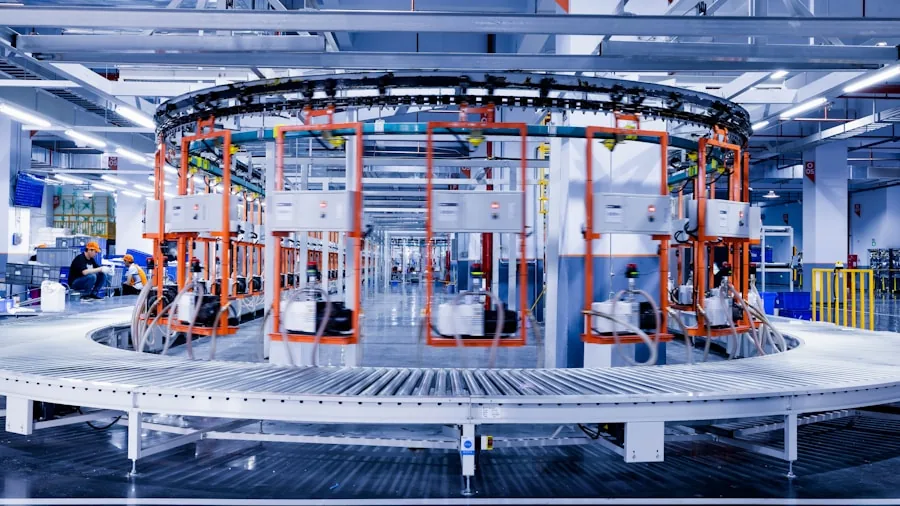
One surprising discovery during the factory tour was the painting process. Rather than painting completed mixers, each individual component is painted separately before assembly begins. Hundreds of parts move through an overhead conveyor system where specialized workers apply an even coat of color using powder paint, similar to the technology used in nail salons. Workers wear full protective suits with built-in ventilation systems, highlighting the care taken in this process.
This approach makes sense from a manufacturing perspective: painting small parts individually ensures complete coverage and durability, and it prevents overspray on already-assembled components. When you purchase a stand mixer, every visible surface has been carefully treated, which contributes to both the appearance and long-term finish quality.
Assembly Requires Skill and Precision
To truly understand what goes into a stand mixer, the reviewer attempted to build one herself on the factory’s training line. The experience proved more demanding than expected. Using specialized tools, including a powerful drill for securing bolts, she discovered that even small positioning errors required removal and reinstallation. A bolt had to be centered perfectly, with no margin for shortcuts.
The training process, which lasted 15 to 20 minutes for a single unit, revealed the physical and mental demands placed on factory workers. Employees rotate through different assembly stations throughout the day, requiring them to master multiple skills and maintain focus across varied tasks. After just 20 minutes of using the drill, the reviewer’s arms were sore, giving her newfound respect for the stamina and attention to detail that factory workers demonstrate day after day.
This hands-on experience underscores why quality stand mixers command premium prices. When you’re comparing options, remember that the best stand mixers for home bakers and serious cooks represent the labor and expertise of hundreds of skilled workers.
What This Means for Shoppers

Understanding the manufacturing process behind a stand mixer changes how consumers should evaluate their purchase. You’re not just buying a motor and some metal; you’re investing in years of engineering design, precision assembly, and quality control. The fact that the same factory has been producing these mixers for more than 80 years speaks to both the durability of the product and the expertise embedded in the workforce.
When you use your stand mixer to mix dough, whip cream, or combine batters, every component works in harmony because someone took time to assemble it correctly. The painted finish will resist daily wear because it was applied with care to individual parts. The bolts that hold everything together were tightened to exact specifications.
For those considering a stand mixer purchase, this insight reinforces the value of choosing machines from established manufacturers with dedicated production facilities. These companies have invested in training their workers, refining their processes, and maintaining quality standards over decades. If you’re shopping for your first stand mixer or upgrading your current one, look for brands that prioritize domestic manufacturing and have a track record of reliability.
Beyond stand mixers, this same philosophy applies to other kitchen tools. Whether you’re evaluating food processors, rice cookers, or other small appliances, understanding where and how they’re made helps you make smarter purchasing decisions. Quality appliances start with quality manufacturing.
The Human Element in Your Kitchen
Perhaps the most valuable takeaway from the factory tour is the realization that every stand mixer represents human craftsmanship. From designers and engineers who created the product to assembly line workers who bring it to life, numerous people contribute their skills to your appliance. The next time you pull out your mixer, you’ll have a deeper appreciation for the collective effort that made it possible. That sense of connection to the product can actually enhance your cooking experience and help you value your investment for years to come.






Write Your Review
No reviews yet. Be the first to share your experience!