

The Hidden Crisis of Senior Cats in Need
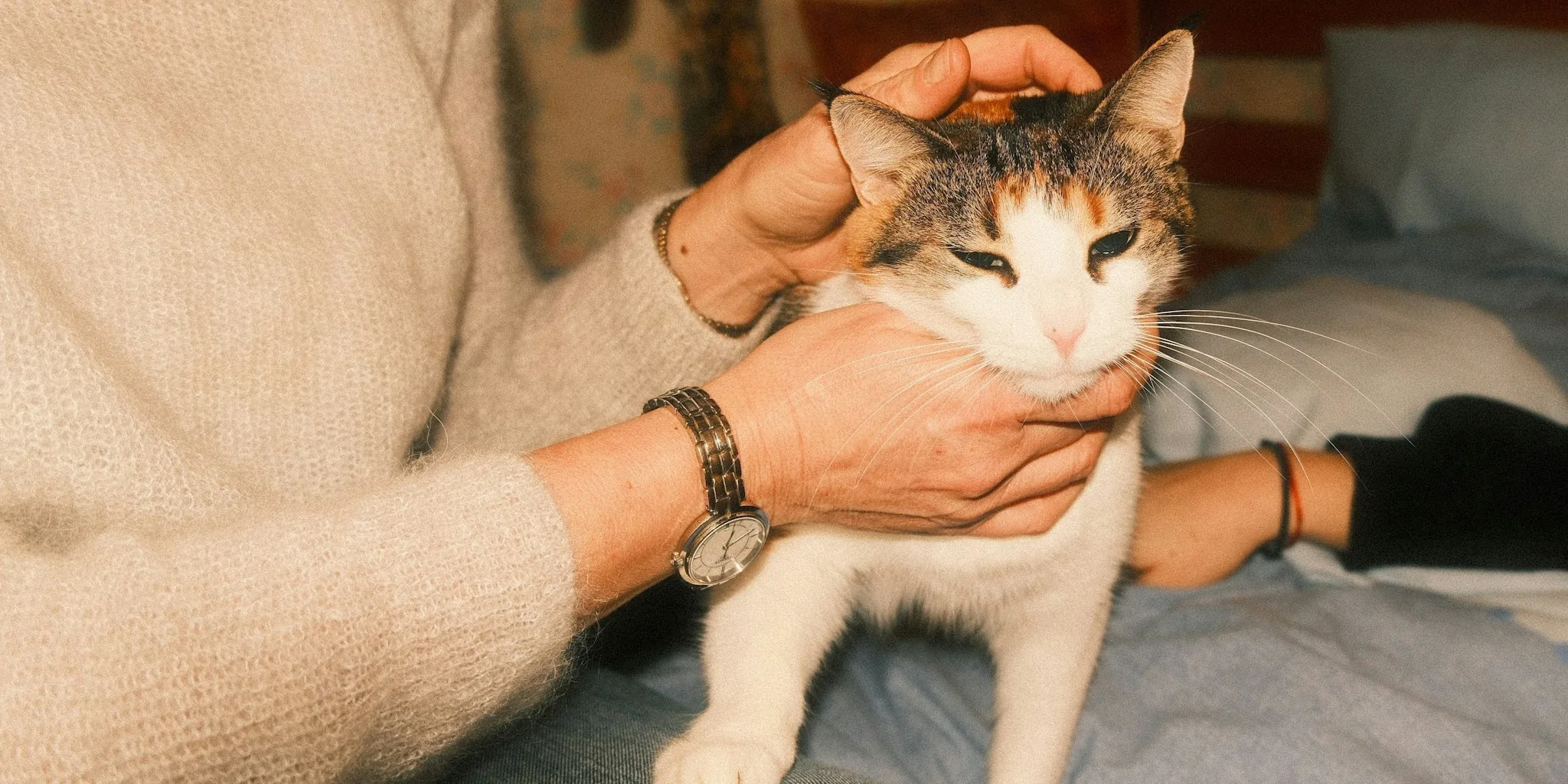
Every year, thousands of senior and special needs cats wait in shelters and rescue organizations for families willing to give them a second chance. One of the most overlooked reasons these cats need homes is that their elderly owners pass away or move into assisted living facilities that do not permit pets. For many potential adopters, the prospect of bringing home an older cat might seem daunting, but families are discovering that senior felines offer immeasurable rewards that younger cats simply cannot provide.
The decision to adopt a senior cat can transform not only the animal’s life but also the lives of everyone in the household. When you open your home to an older cat, you become part of a growing movement of compassionate pet owners who recognize that age should never be a barrier to finding love and care.
Understanding Special Needs Cats and Their Care Requirements
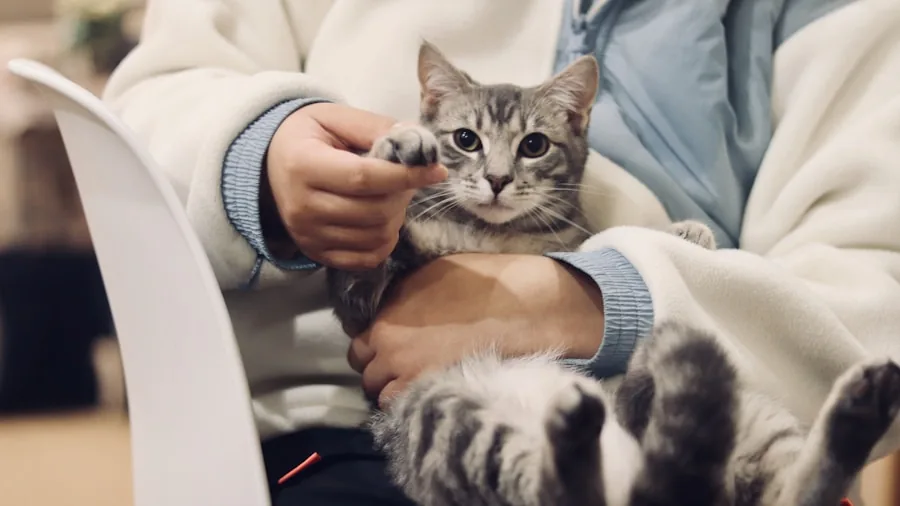
Many senior cats carry medical diagnoses that complicate their adoption prospects. One such condition is Ehlers-Danlos syndrome, a genetic collagen defect that causes fragile skin, joint problems, and a range of ongoing health challenges. While there is no cure for this condition, cats living with it can enjoy good quality of life when placed in safe, carefully managed environments that prevent injuries.
Caring for a special needs cat requires patience, research, and commitment. Owners of these animals often become experts in their cat’s specific condition, reading veterinary studies, exploring treatment options, and making thoughtful adjustments to their home environment. This might include using protective clothing designed to minimize skin injuries, selecting appropriate cat beds that provide comfort without causing trauma, and maintaining consistent veterinary care.
The emotional payoff, however, far exceeds the additional effort required. Watching a frightened, traumatized rescue cat slowly emerge from its shell and reveal a playful, affectionate personality is an experience that many adopters describe as life-changing. A senior cat that has experienced neglect or hardship will often show profound gratitude for basic kindness, turning your home into a place filled with purrs and unexpected joy.
The Bond Between Bonded Pairs
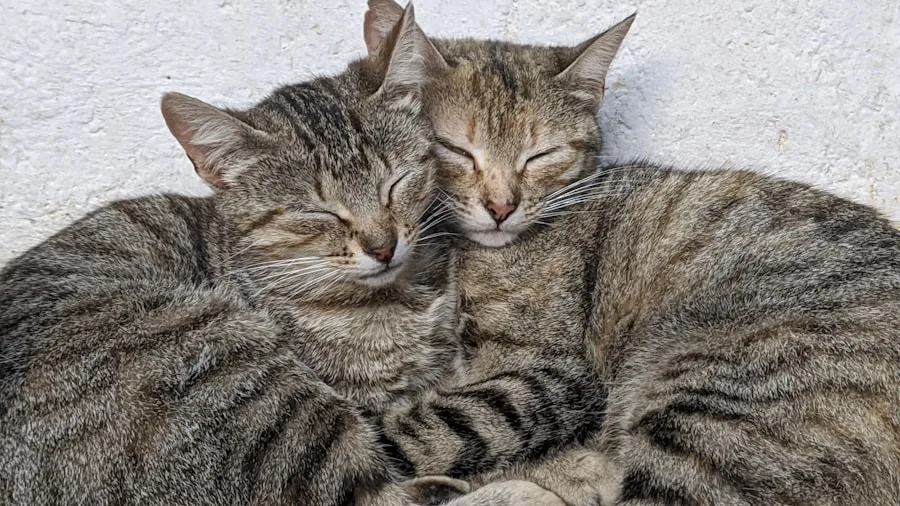
Rescue organizations frequently encounter cats that have formed deep bonds with one another. When cats are found together, whether they were strays or came from multi-cat households during welfare removals, separation can cause significant emotional distress. Adopting bonded pairs together ensures that both animals maintain their most important relationship while transitioning to their new forever home.
Two cats that have been through trauma together often comfort each other during the adjustment period. Their familiar presence helps them acclimate to new surroundings more quickly than a single frightened cat might manage alone. Additionally, providing appropriate feeding stations and resources for two cats is a straightforward matter of thoughtful household planning.
The companionship between bonded cats is remarkable to witness. They groom each other, cuddle together, play, and even squabble like family members do. For adopters, this means twice the entertainment and twice the unconditional affection flowing through the home.
The Role of Community in Pet Advocacy
The rise of pet-focused social media has created unprecedented opportunities to raise awareness about adoption, special needs animals, and health conditions affecting cats. Families who adopt senior and special needs cats are increasingly sharing their experiences online, building communities dedicated to educating the public about feline health, care strategies, and the joys of rescue adoption.
These digital communities serve multiple purposes: they help newly diagnosed cats and their owners find support and practical information, they celebrate the wins when special needs animals find forever homes, and they encourage other families to consider adoption rather than purchasing from breeders. When prospective cat owners see senior and special needs cats thriving in loving homes, many recognize that they too can make space in their lives for an animal in need.
Preparing Your Home for an Older Cat
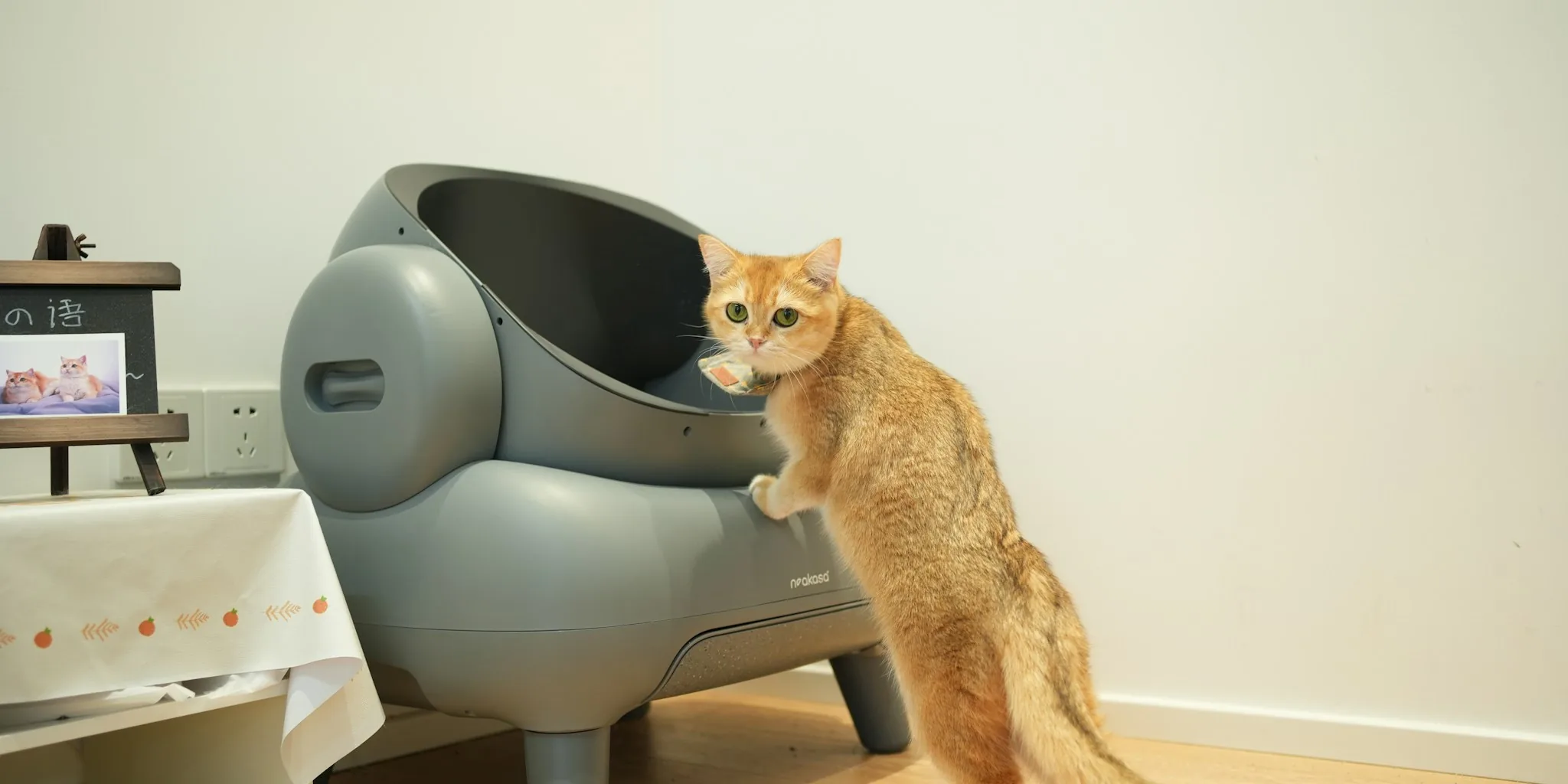
Before bringing a senior cat into your home, spend time thinking about safety and comfort. Provide quiet spaces where a nervous cat can hide and decompress, ensure easy access to litter boxes that accommodate reduced mobility, and maintain a stable temperature. Senior cats often appreciate heated beds, low-entry furniture, and a predictable daily routine.
Medical care becomes increasingly important with age. Budget for regular veterinary visits, be prepared for potential health challenges, and keep your vet informed about any changes in your cat’s behavior or appetite. Many senior cats thrive when their owners are proactive about monitoring their wellbeing.
The decision to adopt a senior or special needs cat is ultimately a gift you give yourself. These remarkable animals have survived hardship and deserve the chance to spend their remaining years in a loving home. In return, they will offer loyalty, companionship, and a depth of gratitude that makes every moment worthwhile.



Write Your Review
No reviews yet. Be the first to share your experience!