
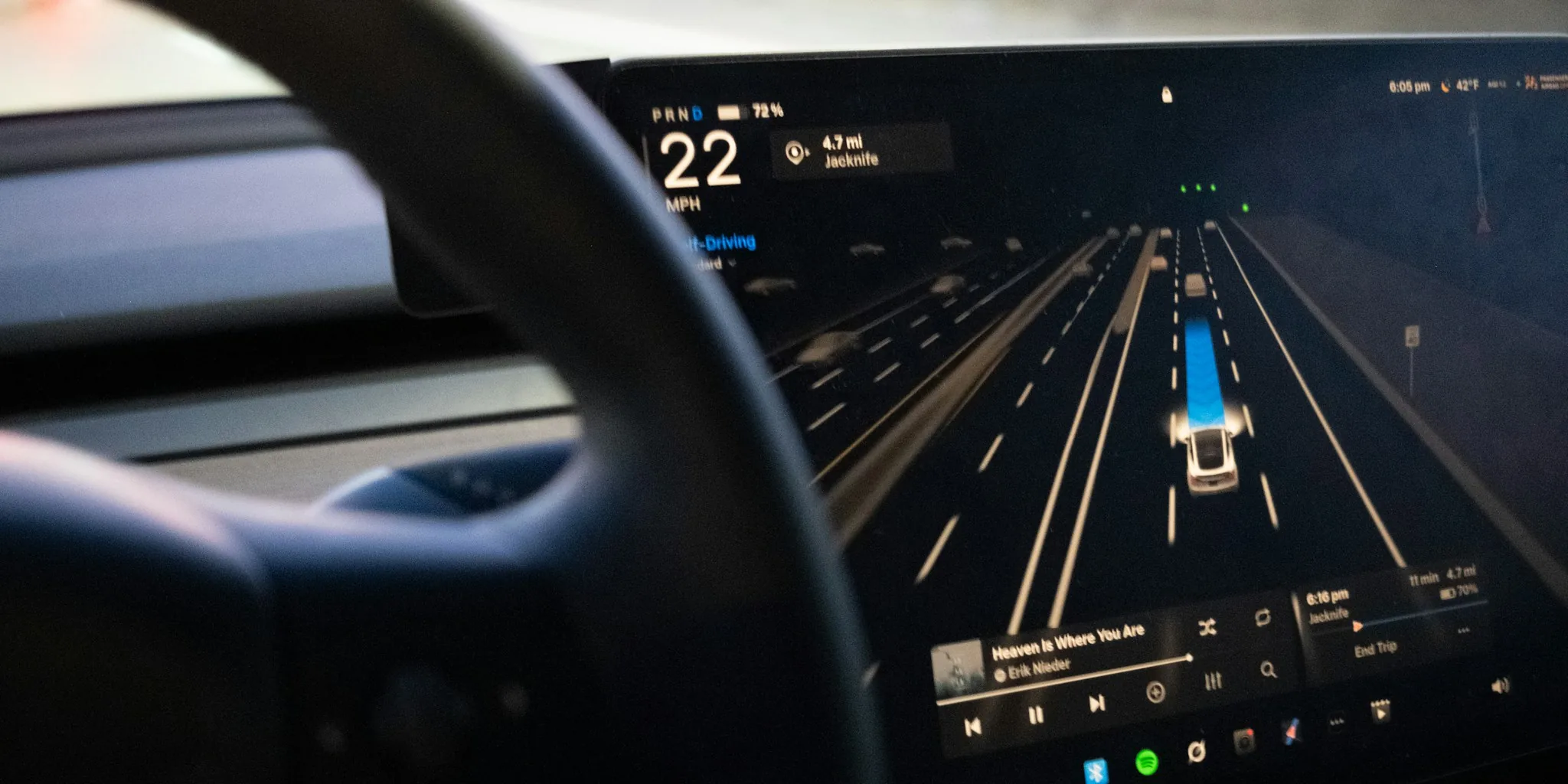

A Historic Test Drive That Sparked an Electric Revolution
Two decades ago, a maroon two-seater pulled into a British car show in Palo Alto, California, and nobody in attendance could have predicted how that single vehicle would reshape the entire automotive landscape. Only three Tesla Roadsters existed in the world at that time, and one of them was about to prove a pivotal point: an electric car could deliver practical, real-world performance that rivaled and exceeded gasoline engines.
The story began when an automotive journalist organizing a local classic car meet decided to invite Tesla, a fledgling company few had heard of, to showcase its upcoming production model. Skeptical executives initially balked at the idea of parking an electric prototype among vintage British sports cars. But they showed up anyway, and what happened next set the stage for one of the most significant technological shifts in automotive history.
The Moment That Changed Everything
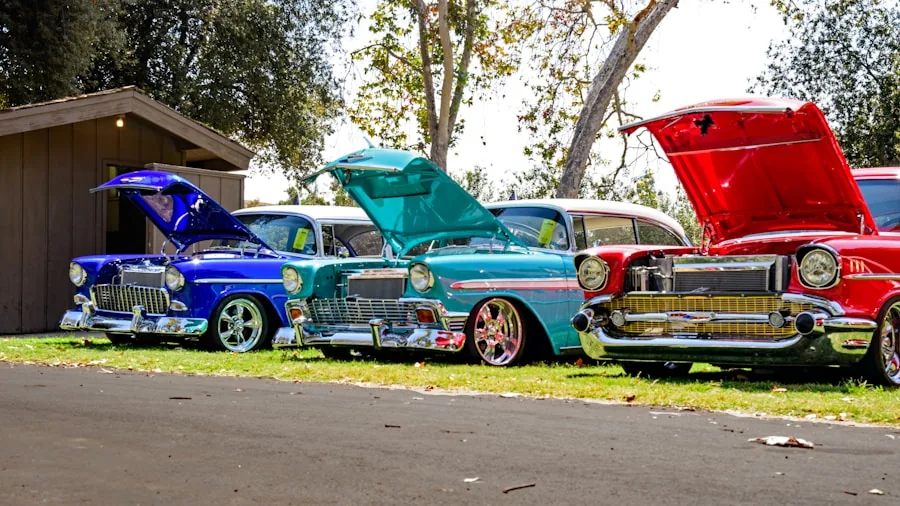
At the car show, something remarkable occurred: a potential buyer handed over a check for ninety thousand dollars on the spot. Energized by this success, the Tesla representative offered a test drive to the journalist in exchange. What followed was unforgettable. The Roadster’s acceleration was explosive and smooth, delivering zero to seventy-five miles per hour in roughly five seconds, with the distinctive surge of electric torque that would later become synonymous with Tesla performance.
That single ride triggered a career pivot. The journalist covering the event became obsessed with electrification technology and spent the next fifteen years documenting the rise of electric vehicles as they transitioned from automotive oddities to mainstream options. Today, every major automaker sells electric cars, and the technical progress in driving range, battery efficiency, and charging networks has been extraordinary.
What This Means for Today’s Car Shoppers
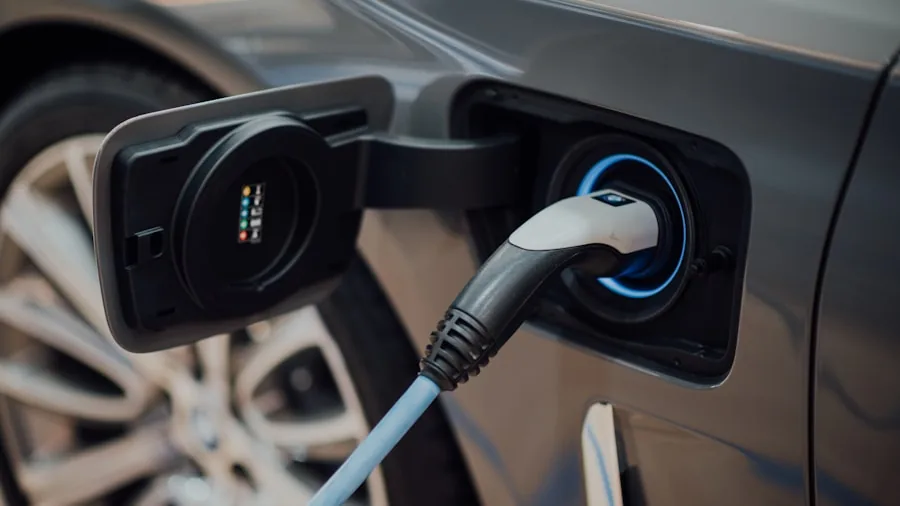
The legacy of that 2006 Roadster test drive extends far beyond Tesla’s success. It demonstrated conclusively that battery-electric powertrains could deliver the acceleration, range, and reliability that consumers expected from premium automobiles. When the Model S launched six years later, the automotive industry finally took notice, and the race to electrification accelerated dramatically.
For current shoppers evaluating their next car purchase, the implications are substantial. Electric vehicles are no longer experimental prototypes or niche products for enthusiasts. They represent a mature technology with proven real-world performance, expanding model availability, and improving affordability. The infrastructure supporting EV ownership, from public charging networks to home charging solutions, has matured significantly since those early days.
The decision to buy electric versus traditional fuel, lease versus purchase, or explore lease versus buy options and what the math really shows has become more complex and individualized. Today’s buyers face genuine alternatives backed by years of real-world data and user experience rather than speculation or marketing promises.
The Road Ahead for Automotive Technology
The twenty-year trajectory from that single maroon Roadster to an industry where electrification is standard across every manufacturer represents remarkable progress in battery science, power electronics, and software development. Range anxiety, once the primary obstacle to EV adoption, has largely evaporated as battery technology improved dramatically and charging infrastructure expanded nationwide.
That 2006 test drive also highlighted another aspect often overlooked in discussions about electric cars: the driving experience itself. The smooth, linear power delivery and responsive handling characteristics of electric motors provide a fundamentally different sensation than traditional gasoline engines. Many drivers who switch to electric vehicles report that this tactile difference becomes one of their favorite aspects of ownership, separate from any environmental or economic considerations.
Current car shoppers should recognize that the technological foundation laid down by pioneering electric vehicles like the original Roadster has created real consumer choice. Whether evaluating performance metrics, considering your next purchase timeline, or thinking about how connected technology and features will enhance daily use, today’s marketplace offers legitimate alternatives that simply did not exist two decades ago.
The question is no longer whether electric cars represent the future of automotive transportation. The real question facing today’s shoppers is which electric vehicle best matches their individual needs, budget, and lifestyle. That transformative realization began with a single test drive at a quiet car show twenty years ago.



Write Your Review
No reviews yet. Be the first to share your experience!