
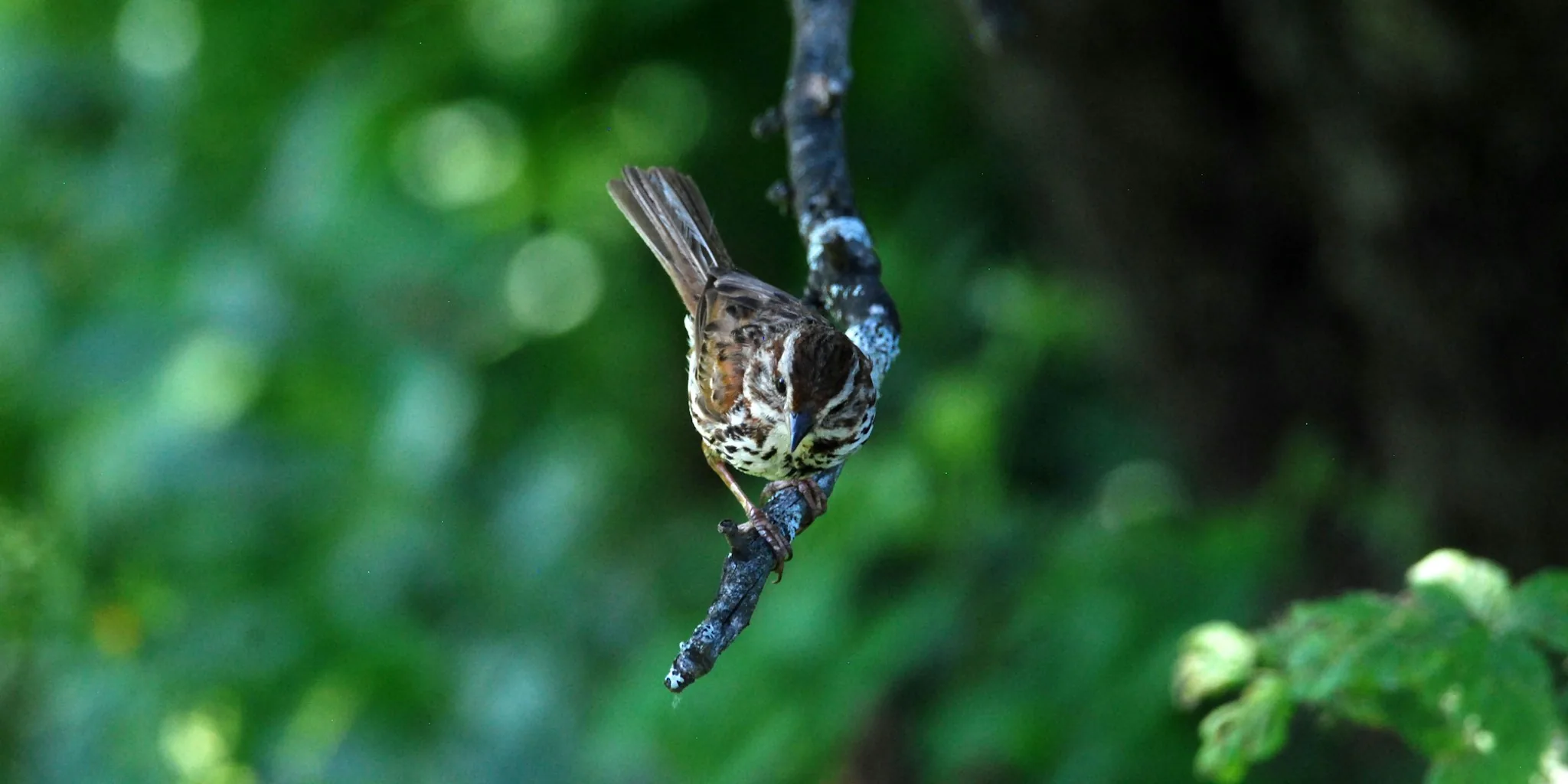

If you’ve ever watched birds hover near your garden water feature, you’ve noticed something: they rarely dive straight in. Instead, they pause, observe, and wait for the right moment. That hesitation isn’t random behavior. Birds need nearby perching spots to feel safe approaching your bird bath, and understanding this simple fact can transform how many feathered visitors you attract to your yard.
A waiting branch is a strategically placed perch positioned near your bird bath where songbirds can land, survey their surroundings, and assess whether conditions are safe before they sip or bathe. This seemingly minor addition makes an enormous difference in how often birds use your garden water feature and how long they stay.
Why Birds Need Observation Decks
From a bird’s perspective, an exposed basin in an open yard is risky. Even when thirsty or hot, songbirds like titmice, finches, wrens, and bluebirds won’t approach without a safe staging area nearby. A waiting branch functions like a security checkpoint. Birds land on it first, tilt their heads to check water levels, scan for predators, and confirm the coast is clear before committing to a bath.
Without nearby perches, shy species simply move to more sheltered bathing spots elsewhere. They’re creatures of both curiosity and caution. Native shrubs like serviceberry or flowering dogwood provide natural horizontal branches at water level, but not all garden spaces accommodate full trees. This is where purchased or installed waiting branches become valuable solutions.
Optimal Distance and Height Matter
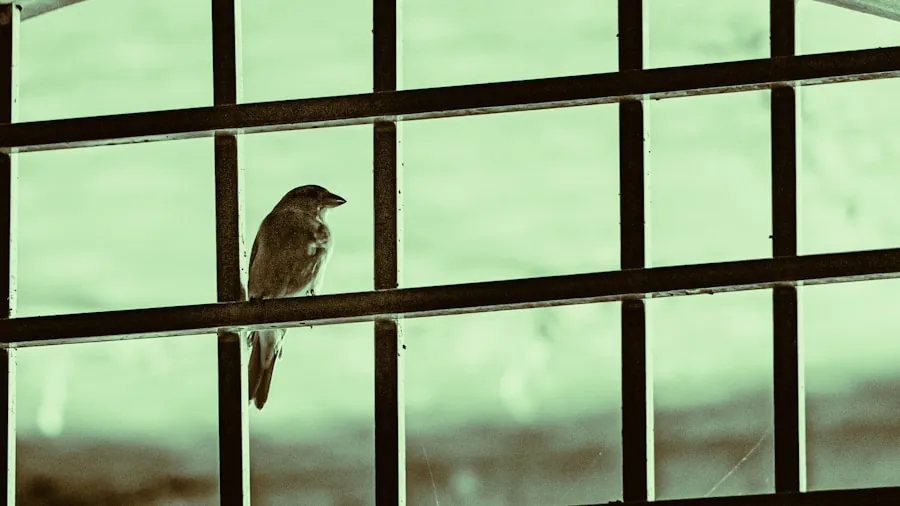
Placement is critical. Your waiting branch should sit roughly 10 to 12 feet from the water’s edge. This distance is close enough for a wet, heavy bird to flutter back to safety quickly, but far enough to prevent ground predators like neighborhood cats from launching surprise attacks.
Height is equally important. Position perches 4 to 6 feet above ground to give birds a clear view of activity on the ground and in the air. This elevation provides the vantage point they need to make informed decisions. For ground-level birds like juncos, a 2-foot height tucked near thicket cover works better, but most songbirds prefer the higher perspective.
On patios or apartment balconies, adjustable deck hooks and clamp-on systems mount directly to railings, giving you flexibility in positioning. A shepherd’s hook inserted into soil or a large planter offers another practical solution for creating the right elevation angle.
Choosing the Right Branch Material and Setup
Look for branches 18 to 24 inches long so multiple birds can queue comfortably. Thickness matters: aim for 1 to 1.5 inches in diameter with some texture so small toes grip securely. Overly springy branches scare timid bathers away. Textured wood bundles are widely available online and fit into various yard fixtures like fence posts, deck spindles, or garden stakes.
You don’t need a massive tree. Consider these practical options. A sturdy iron trellis positioned 10 feet behind your basin creates multiple horizontal bars for perching, and you can train vines up it for added protective cover. Natural wood swing perches hang from shepherd’s hooks or tree limbs using weatherproof twine or S-hooks. For those with space, native shrubs provide built-in multi-level perches plus seasonal interest.
When setting up your garden with proper plant selections and maintenance tools, think about how waiting branches integrate with your overall design. Multiple staggered perches prevent traffic jams and give timid birds like nuthatches an escape route if bossy jays or grackles arrive.
Supporting Young and Nervous Birds
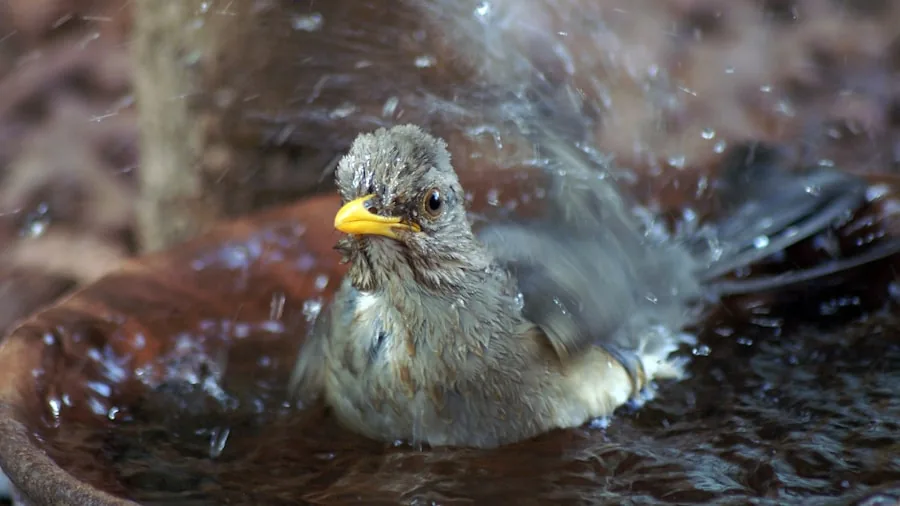
During fledgling season, clumsy juvenile birds benefit enormously from waiting branches. Young cardinals and robins find their footing while parents demonstrate proper bathing technique. The branch gives them a safe place to preen and shake off water while they master new skills.
For adults, the primary fear is being trapped. A single landing stick can create bottlenecks where aggressive species corner shy goldfinches. Several perches in different locations solve this problem. Adding gentle water movement with a solar wiggler or floating fountain further reassures cautious birds that the bath is clean, active, and safe.
Practical Tips for Success
Ensure your waiting branch allows smooth entry and exit to the bath. Clear sightlines prevent birds from feeling ambushed. A few inches more height than you initially think necessary often creates that ideal sweet spot when poles are inserted into soil or sod.
Vary your branch textures and thicknesses if possible. Delicate sparrows and chickadees prefer finer grips, while sturdier songbirds handle thicker wood. When you’re ready to maintain your space, reliable garden infrastructure supports healthy water features, and clean your basin regularly with a soft brush and diluted white vinegar to keep conditions fresh.
Keep bird bath water shallow and clean. A textured ceramic saucer near ground level helps ground-dwelling species that may not visit elevated basins. Remember that this is an investment in your garden’s ecosystem. Once your waiting branch is installed and your feathered friends feel secure, you’ll notice more frequent visits, longer stays, and the chance to observe natural behaviors you might otherwise miss.




Write Your Review
No reviews yet. Be the first to share your experience!