
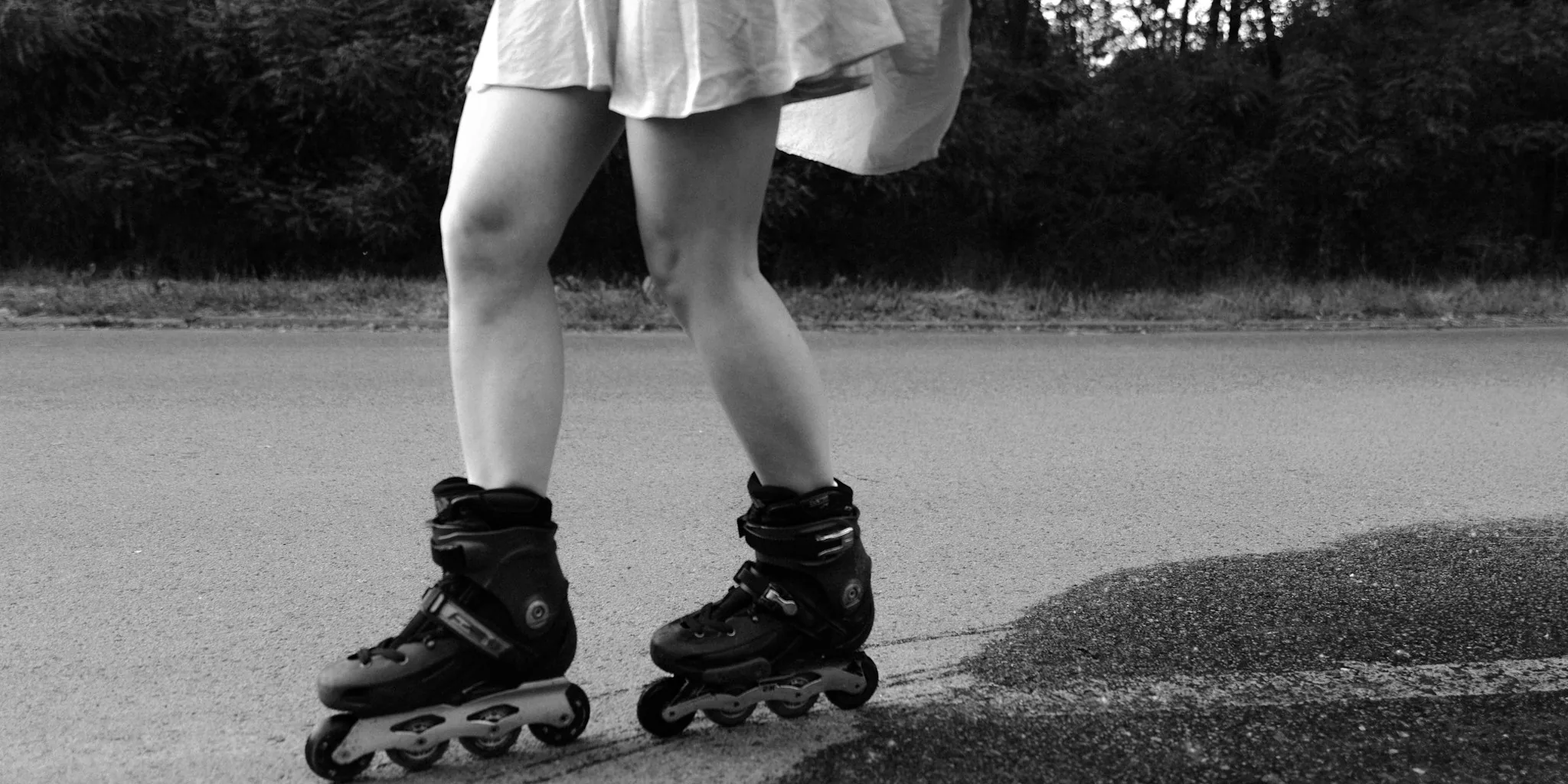

The Comeback of Rollerblading as Fitness
Rollerblading is no longer just a nostalgic ’90s activity. What started as a fun way to enjoy outdoor weather has evolved into a legitimate full-body workout option that appeals to fitness enthusiasts across all skill levels. As more people look for engaging alternatives to traditional gym routines, inline skating is gaining traction as an accessible way to build strength and endurance while enjoying fresh air.
During recent years when outdoor recreation became the focus for many, inline skating experienced a resurgence in popularity. Former competitive skaters and fitness coaches are now promoting this activity as an effective cardiovascular exercise that delivers engaging results without the wear and tear of high-impact workouts. The appeal lies in combining gliding motion, balance work, and continuous movement into one cohesive activity.
What Makes Inline Skates Effective for Fitness
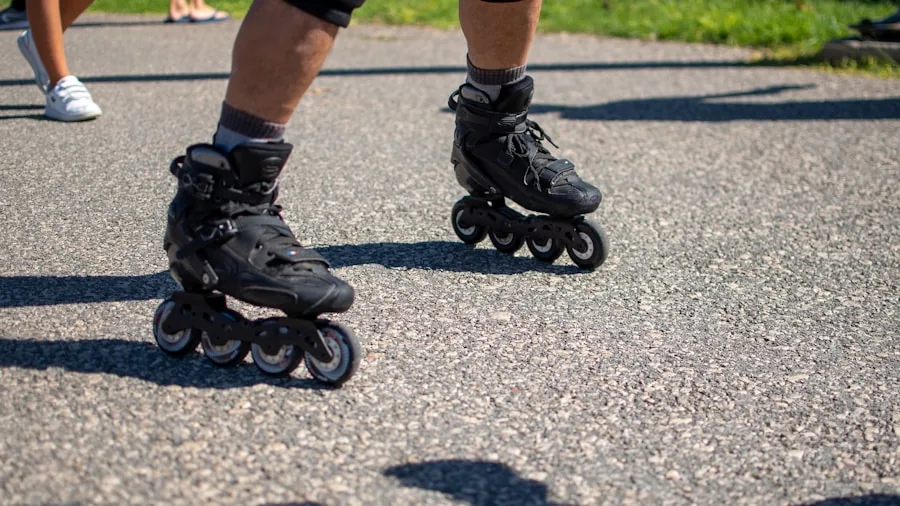
Inline skates provide a comprehensive body engagement that targets multiple muscle groups simultaneously. The continuous gliding motion demands core stability, leg strength, and ankle control. Whether you are cruising at a steady pace or navigating varied terrain, your body maintains constant tension and works to keep you balanced and moving forward.
The low-impact nature of skating makes it especially appealing to those concerned about joint stress. Unlike running, which repetitively impacts knees and hips, inline skating distributes effort across a broader range of motion. This characteristic means longer workout sessions become more sustainable and enjoyable for many users, particularly those returning to fitness after time away.
Choosing the Right Pair for Your Needs
Finding quality inline skates has become more straightforward thanks to expanded product offerings and expert guidance. Industry professionals recommend spending between $150 and $200 for a pair that balances durability with comfort, though budget options under $100 exist for recreational use. The investment in proper skates directly affects your experience and safety on pavement or trails.
Frame material significantly impacts performance and longevity. Aluminum frames offer superior durability and are ideal if you plan regular use, while plastic frames work fine for occasional recreational skating. Wheel size and hardness also matter: smaller wheels ranging from 76mm to 80mm provide better control for beginners, while larger wheels suit experienced skaters seeking speed. Softer wheels absorb shock and grip outdoor surfaces better, making them superior choices for concrete paths and rough terrain compared to harder wheels designed for smooth rink surfaces.
Key Features to Evaluate
Comfort in the boot is non-negotiable when selecting skates for extended workouts. Look for models with breathable materials, adequate padding around the ankle, and closure systems that allow customized fit without excessive pressure points. Traditional laces combined with buckle systems often outperform designs with numerous pressure points that can cause fatigue during longer sessions.
Weight matters more than many shoppers realize. Heavier skates create unnecessary fatigue and reduce enjoyment during your workout. Lighter models deliver better performance and make maneuvering easier, especially when you are learning fundamentals or building endurance. Most quality options range from 5.7 to 7.5 pounds per pair, with lighter versions generally indicating better construction overall.
Your fitness level should guide frame design selection. Beginners benefit from four-wheel setups that offer stability and easier control, while experienced skaters may prefer three-wheel configurations that allow greater speed and maneuverability. Consider whether you want a removable frame system that allows swapping between different wheel setups on the same boot, providing flexibility as your skills progress.
Top Options for Different Fitness Goals
Those seeking all-around performance with aluminum construction and smooth wheels should prioritize established brands known for consistent quality and durability. The best overall selections combine aluminum frames with supportive cuffs and breathable materials that keep you comfortable mile after mile.
For stability-focused workouts, choose models with higher cuffs that limit foot movement and keep ankles secure. These designs position you lower to the ground, enhancing balance and control whether rolling on smooth streets or navigating surface irregularities. The close-to-ground position automatically improves your stability and makes corrections easier.
Beginners specifically benefit from models with shock-absorbing features and slightly larger wheels that forgive minor technique issues. These designs guide your movement rather than demand precise control, allowing you to build confidence gradually. Intermediate skaters can explore models offering moderate speed and glide without excessive technical requirements for braking or balance adjustments.
Budget Considerations for Value

Quality does correlate with price, but smart shopping finds solid options at various price points. Budget-friendly models around $56 serve occasional skaters well, particularly those with adjustable sizing for growing feet or circumstances requiring flexibility. These options handle recreational use but lack the durability for intensive fitness routines.
Mid-range options between $90 and $150 deliver the best value for committed fitness enthusiasts. These models typically feature aluminum frames, quality bearings, and comfortable boots that perform reliably during regular workout sessions. Premium options exceeding $150 offer specialized features for specific activities, such as figure-skating-style designs or advanced materials.
Getting Started with Your Routine
Once you select appropriate skates, begin with manageable distances and gradually extend your sessions. Most fitness coaches recommend treating inline skating similarly to running programs, building duration and intensity progressively. Proper rest and recovery between sessions helps your body adapt and prevents overuse injuries.
Inline skating fits naturally into outdoor fitness routines alongside walking, cycling, and other low-impact activities. The social aspect of group skating sessions also appeals to those seeking community and motivation. As this fitness option continues gaining recognition, more dedicated trails and skating spaces continue developing in communities nationwide, making it increasingly accessible for shoppers ready to explore this effective workout option.




Write Your Review
No reviews yet. Be the first to share your experience!