
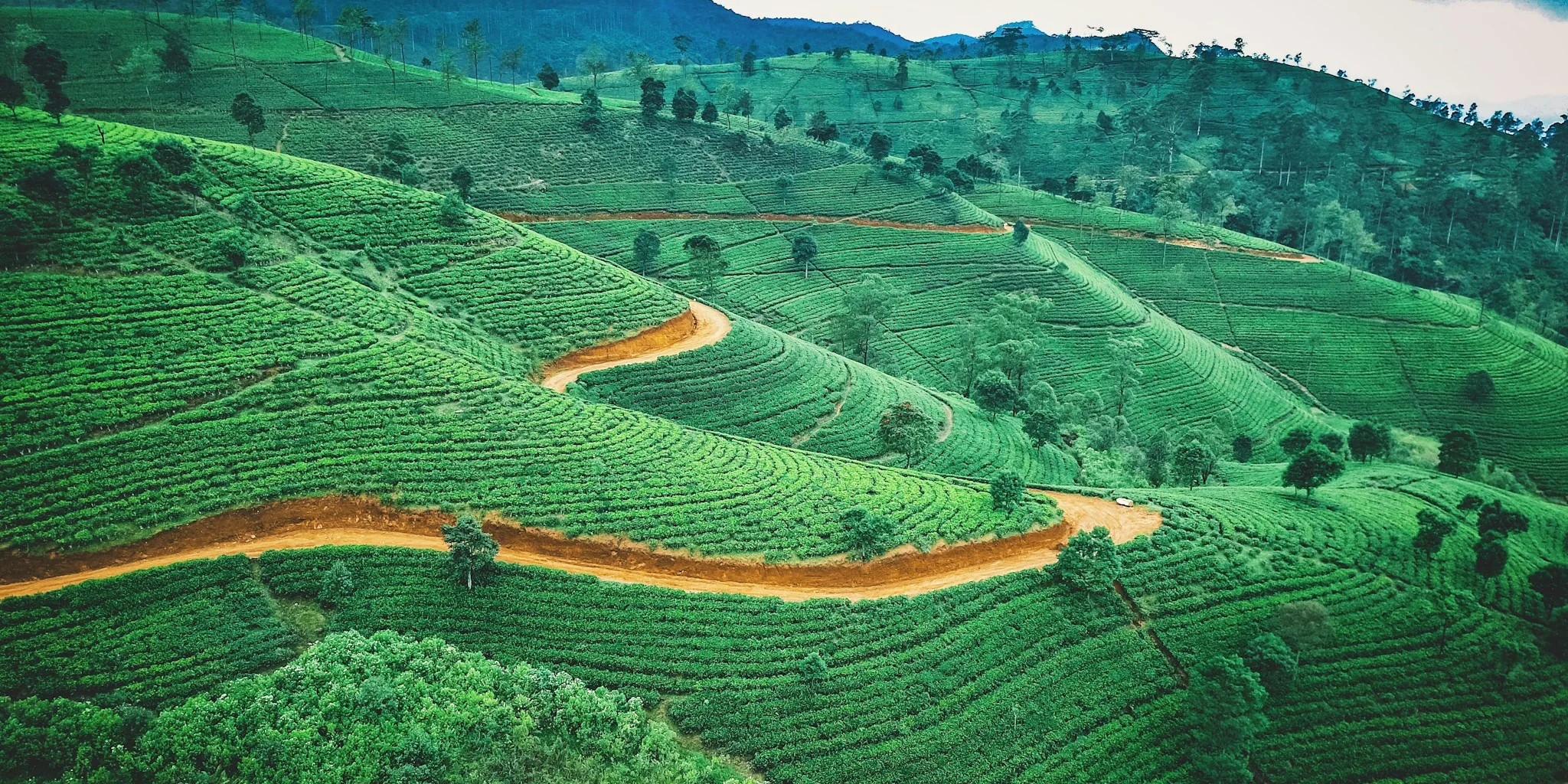

A major new sustainability effort is reshaping how coffee reaches American consumers. The Resilient Coffee Program, announced in August at a global sustainable coffee roundtable in Hanoi, Vietnam, represents a collaborative push by dozens of industry players to transform coffee production across four key growing regions: Vietnam, India, Colombia, and Uganda.
The initiative, launched by the Netherlands-based Sustainable Trade Initiative IDH, aims to work with 300,000 farmers by 2030 and produce around 500,000 metric tons of what the industry calls “regenerative coffee” annually. Unlike past efforts driven by single companies, this platform invites roasters, traders, governments, and financial institutions to invest together in building a more sustainable supply chain.
Why This Matters for Your Morning Cup
Regenerative agriculture in coffee means more than just sustainability. The approach focuses on improving soil health, increasing biodiversity, building natural climate resilience, and strengthening farmers’ connection to their land. These practices can make coffee production less vulnerable to the weather swings and rising input costs that have plagued farmers in recent years, particularly in Vietnam, the world’s largest producer of robusta coffee.
Vietnam faces particular pressure from climate volatility and transparency demands, especially with new European Union regulations requiring companies to verify that imported coffee doesn’t contribute to deforestation. By supporting regenerative practices now, buyers and farmers can work toward compliance with these stricter standards while improving the long-term health of coffee-growing regions.
The Investment and Scale
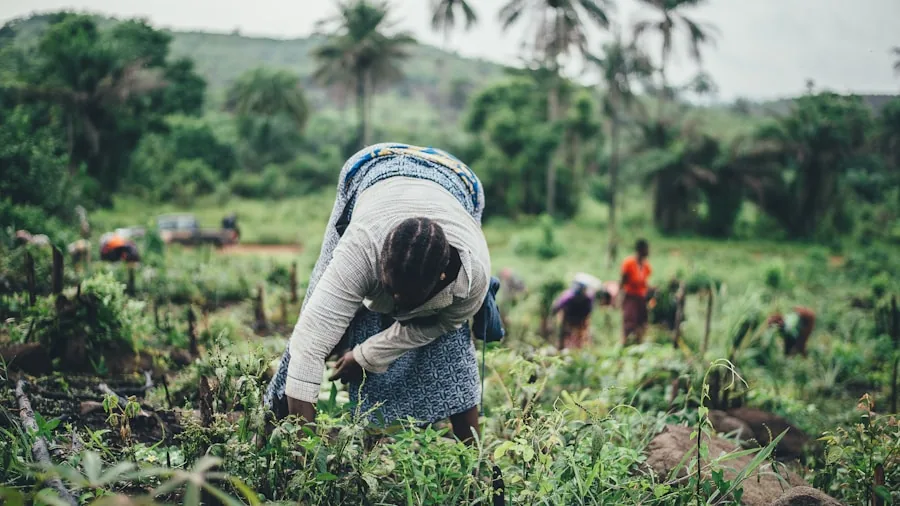
Aldi Süd Group, the discount supermarket giant, is leading the charge as the program’s first major investor, though financial details remain undisclosed. The Hanoi announcement also drew participation from major coffee companies including JDE Peet’s, a leading global coffee brand, signaling that the program has the backing of industry heavyweights.
Vietnam alone will be a testing ground for the approach, with the program targeting approximately 75,000 coffee farmers over four years. That represents about 10 percent of Vietnam’s coffee-growing households and 14 percent of the country’s coffee cultivation area. The program relies on a standardized framework called the Sustainable Agriculture Initiative Platform’s Regenerating Together Framework, which helps companies define, measure, and verify regenerative agriculture practices across their supply chains.
If you’re shopping for quality coffee makers, understanding where your beans come from will become increasingly important as these supply chain improvements take hold.
How Shoppers Benefit
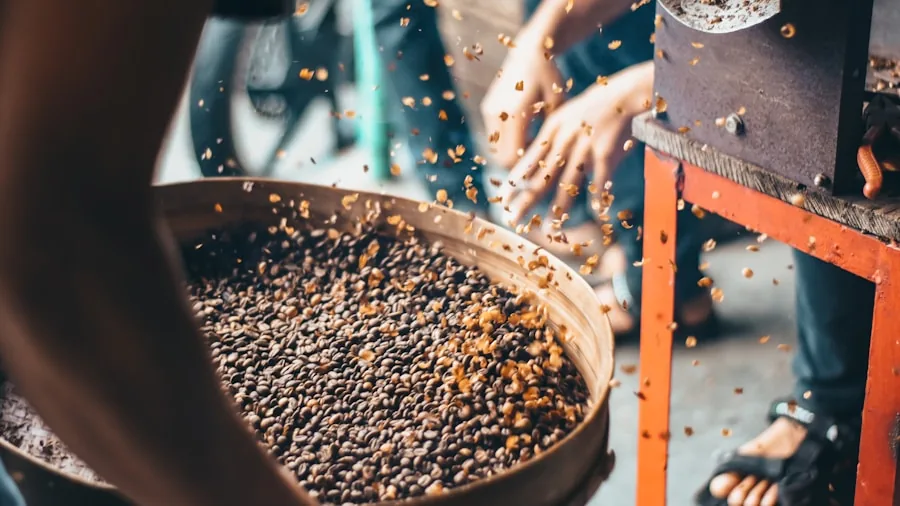
The Resilient Coffee Program introduces shared systems for measurement, reporting, verification, traceability, and what the industry calls “co-claiming.” This shared infrastructure means participating companies can measure and credibly report their progress using a common standard rather than each creating their own metrics. For shoppers, this translates to more transparent labeling and clearer information about whether a coffee product truly meets regenerative standards.
The program directly addresses one key concern researchers have identified: regenerative agriculture alone may not fully solve living income gaps for small-scale coffee farmers in regions with high input costs and structural barriers. However, as part of a broader industry shift, it’s a meaningful step toward fairer compensation and more sustainable practices.
The Bigger Picture
This initiative reflects a fundamental shift in how the global coffee industry approaches sustainability. Rather than companies competing individually on sustainability claims, the industry is building collaborative platforms. This reduces the burden on farmers to work with dozens of different verification systems and allows roasters and traders to share the investment needed to support regenerative transitions.
For those interested in exploring reliable brewing equipment, the improvement in coffee sourcing practices means access to higher-quality, more ethically produced beans over time. As more farmers transition to regenerative methods and consumer demand for transparency grows, coffee quality and traceability will become standard expectations rather than premium features.
The next four years will be critical. With the Resilient Coffee Program now operational and open to additional investors and industry partners, the coffee industry is signaling that regenerative practices are no longer optional but central to future supply chains. For consumers, that means better beans, clearer sourcing information, and coffee that supports healthier farming communities and landscapes.
Whether you prefer single-serve convenience or traditional brewing methods, the coffee you buy will increasingly come from suppliers committed to these regenerative standards, making your daily cup part of a larger sustainability story.






Write Your Review
No reviews yet. Be the first to share your experience!