

Understanding Your Cat’s Love of Heights
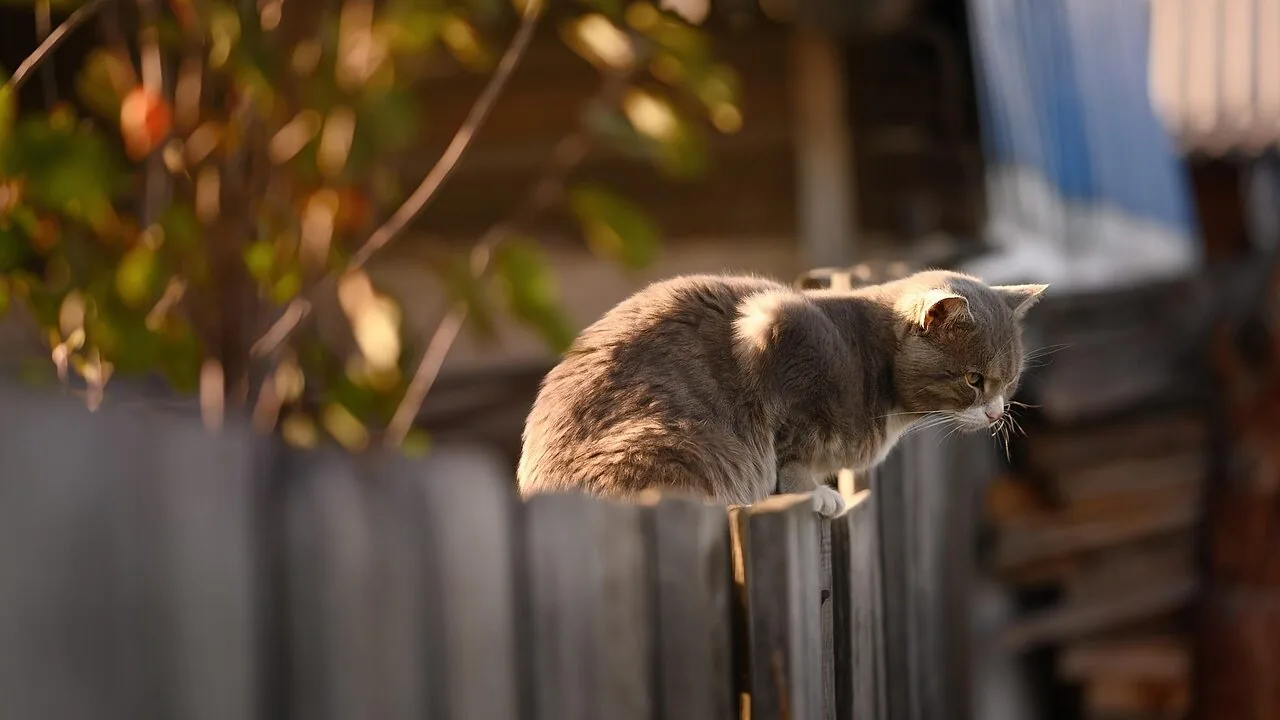
If you’ve ever searched for your cat only to find it perched atop the refrigerator or wedged onto the highest bookshelf, you’ve witnessed one of the most common feline behaviors. This instinct to climb and rest at elevation is deeply rooted in your cat’s biology and psychology, and understanding the reasons behind it can help you create a home environment that truly meets your pet’s needs.
Survival Instincts: The Safety Factor
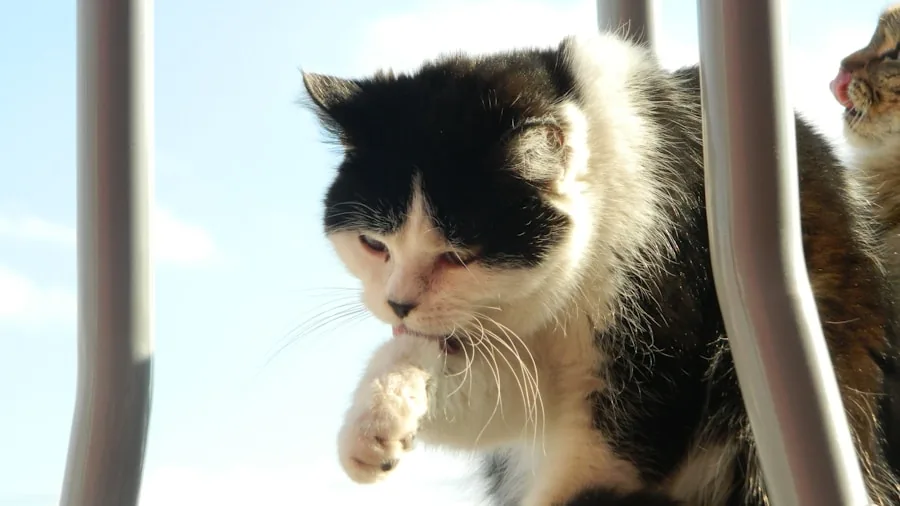
Cats are both predators and prey, a duality that shapes much of their behavior. In the wild, a cat on the ground is vulnerable to attacks from larger animals. An elevated position offers a panoramic view of approaching threats and provides valuable reaction time. This survival logic remains hardwired in domestic cats, even those who have never stepped outdoors. When your cat experiences uncertainty, whether from a new visitor, a change in routine, or a busy household, retreating to a high spot provides immediate psychological relief. The elevated vantage point eliminates the feeling of being exposed while keeping your cat safely out of reach. Height essentially equals safety and visibility, which translates to security and comfort in your home.
Social Rank and Territory
Beyond safety, height communicates status. In multi-cat households, the highest available spot becomes a contested prize, and whichever cat claims it typically holds the most social dominance. This mirrors behavior observed in wild feline communities, where elevated positions signal rank as much as they provide practical advantages. Even in single-cat homes, your cat’s choice of high spots reveals how it perceives its place in your household hierarchy. That feeling that your cat enjoys looking down on you? You may be onto something. When selecting furniture and surfaces for your home, consider that competition over prime elevated real estate can reduce tension in multi-cat environments.
Ancient Instincts in Modern Homes
Domestic cats share far more behavioral DNA with their wild ancestors than many realize. Thousands of years of coexistence with humans hasn’t erased millions of years of hunting and survival programming. Wild cats use elevated positions to stalk prey from above, conserving energy while maintaining a tactical advantage that keeps them out of danger. Your house cat, even one that has never hunted gazelle or been chased by a predator, feels this instinctual pull toward height at a cellular level. This explains why cats who escape the house don’t hide in holes, they scramble up the nearest tree without hesitation.
Better Sleep and Rest Quality
Cats are most vulnerable while sleeping, and their ability to relax depends entirely on how secure they feel in their resting position. A cat at ground level in a busy room faces constant low-level stress from foot traffic, sudden sounds, and unpredictable movements. All of these factors prevent truly restorative sleep. When your cat finds a high, quiet spot away from household activity, it can finally rest without maintaining constant alertness. The result is deeper, more restorative sleep that directly benefits your cat’s overall health and wellbeing. This is particularly important for quality cat beds and resting surfaces, which should ideally be elevated or positioned in calm areas of your home.
The Thermoregulation Factor
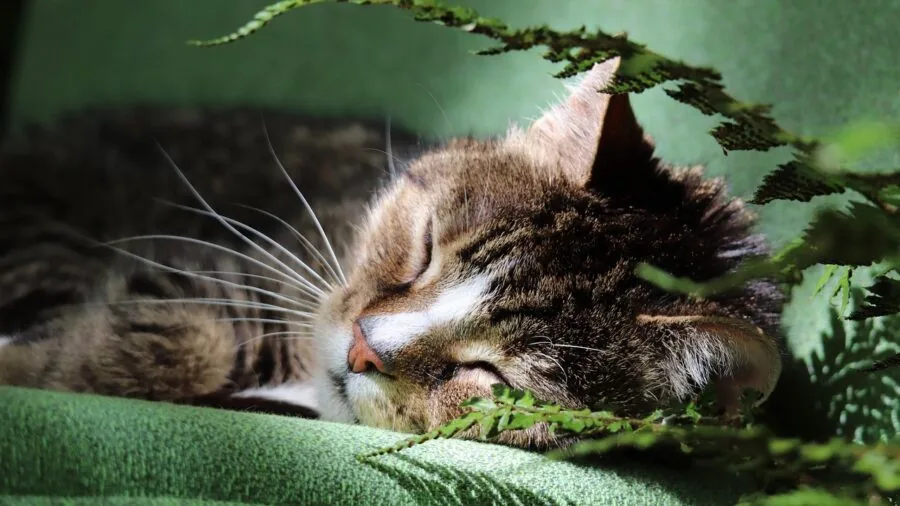
Heat literally rises, which means elevated surfaces are naturally warmer than floor level. Cats are drawn to warmth with remarkable consistency, particularly during colder months. That cat stretched across the top of your refrigerator or curled on a high shelf near a heating vent is satisfying two instincts at once: seeking height and seeking heat. During warmer months, you’ll notice cats often shift their behavior downward, gravitating toward cool floor surfaces to regulate body temperature in the opposite direction. This seasonal variation in where your cat chooses to rest is almost entirely driven by thermoregulation instinct.
Creating More Vertical Space
Now that you understand why cats need height, you can set up your home to genuinely meet these needs. A tall, sturdy cat tree with multiple platforms at varying heights is the single most effective investment any cat owner can make. It allows your cat to choose elevation based on mood and season while also providing scratching surfaces and enclosed hideaways. Wall-mounted shelves at different heights create a vertical highway through your room without consuming floor space, an ideal solution for smaller homes. Clearing the top of your refrigerator, ensuring your cat won’t fall or get stuck, provides an instant high-elevation option many cats claim immediately.
Window perches or hammocks mounted at appropriate heights combine elevation with outdoor views, satisfying both territorial monitoring instincts and your cat’s need for enrichment and stimulation. For households with multiple cats, providing ample vertical space is especially crucial, as it reduces social tension and gives each animal a way to establish comfortable territory without conflict. When shopping for cat furniture and accessories, prioritize items that include vertical elements rather than just horizontal floor space. Your cat will thank you by spending more time contentedly observing their kingdom from above, and you’ll enjoy a more relaxed, better-behaved feline companion.



Write Your Review
No reviews yet. Be the first to share your experience!