


Understanding VO2 Max and Why It Matters for Runners
VO2 max represents the maximum amount of oxygen your body can utilize during intense physical activity, measured in milliliters per kilogram of bodyweight per minute. This metric directly reflects your aerobic capacity and serves as a reliable indicator of running performance and overall cardiovascular health. The higher your VO2 max, the more efficiently your body transports and uses oxygen, which translates to faster race times and improved endurance.
While genetics play a significant role in determining your baseline VO2 max, the good news is that dedicated training can meaningfully improve this measurement. Research consistently shows that runners who commit to structured interval workouts see noticeable improvements in approximately six weeks, particularly those new to this training style. For already experienced athletes, gains may take longer but are still achievable with consistent effort.
The Science Behind VO2 Max Training

The key to improving VO2 max lies in working at the right intensity level during your workout sessions. According to fitness experts, VO2 max work should be performed at approximately 90 to 100 percent of your maximum heart rate, roughly equivalent to your 5K race pace. A 2018 study published in the Journal of Strength and Conditioning Research found that runners who completed 200-meter interval workouts over just 10 weeks improved their aerobic capacity significantly more than those maintaining moderate-paced runs. Similarly, a 2019 meta-analysis revealed that even short 30-second high-intensity intervals completed consistently over four weeks or less produce measurable VO2 max gains.
The training approach centers on efficiency. When you regularly challenge your cardiovascular system with intervals, your body learns to move oxygen through your system more effectively. This improved oxygen utilization becomes your competitive advantage, whether you’re aiming for a personal record or simply want to run stronger and faster.
Five Proven VO2 Max Workouts to Transform Your Running
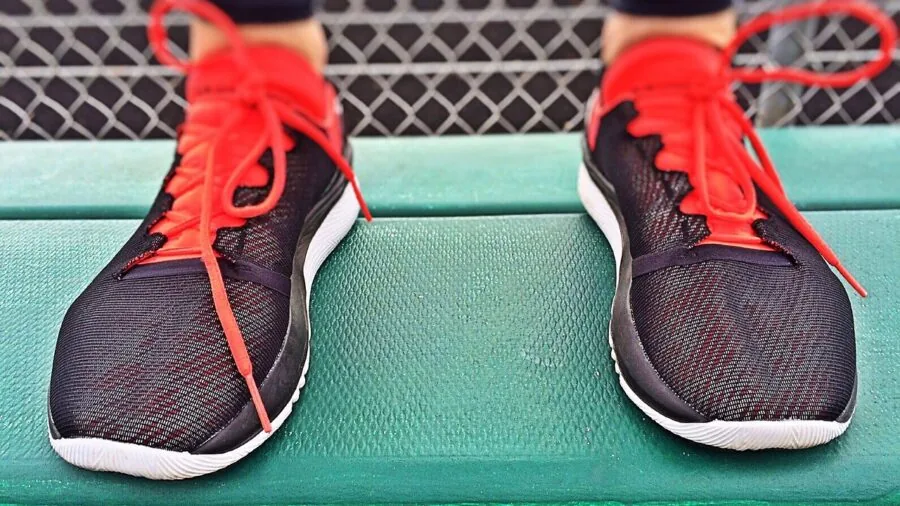
Before beginning any of these workouts, warm up by jogging for 8 to 15 minutes, followed by dynamic stretching and several 20-second strides to prepare your body. The following sessions can be adjusted based on your fitness level, with beginners performing shorter interval sections and experienced runners tackling longer efforts.
Workout 1: 1,000-Meter Repeats
Run 1,000 meters at 5K effort intensity, then walk or jog for the same duration it took you to complete the run segment. Repeat this cycle 3 to 6 times depending on your fitness level. This classic interval structure builds both speed and aerobic capacity while allowing adequate recovery between hard efforts.
Workout 2: Two by Twos
Alternate between running hard for 2 minutes at 5K pace and recovering by walking or jogging slowly for 2 minutes. Complete 4 to 8 repetitions. This format provides shorter work intervals, making it accessible for runners developing VO2 max fitness.
Workout 3: Ladder
Begin with 2 minutes 30 seconds at 10K effort and rest for the same duration. Progress to 3 minutes 30 seconds at 10K effort with equal rest, then 4 minutes 30 seconds at 10K effort with equal rest. Repeat the entire sequence at your 5K pace. This ascending structure challenges your system progressively and builds mental toughness.
Workout 4: Bodyweight AMRAP
Complete as many rounds as possible in 20 minutes, alternating between 10 push-ups, 10 bodyweight squats, and a 400-meter run at 5K or 10K pace. Rest as needed. This hybrid approach combines strength work with cardiovascular intensity, developing power and aerobic capacity simultaneously. When selecting the best workout shoes for every budget and activity, prioritize cushioning and support for this demanding mixed-modality session.
Workout 5: EMOM Sprints
Every minute on the minute, sprint at a sustainable intensity for 10 to 15 seconds, then jog for the remainder of the minute. Continue for 20 minutes total, gradually progressing to 20 or 30-second sprint intervals. This format develops your ability to recover quickly while maintaining intensity.
Programming Your VO2 Max Training Schedule
Beginners should incorporate VO2 max workouts twice monthly, while more experienced runners can progress to once weekly. Timing matters significantly: schedule these demanding sessions during the week and position them between two easy days of running, cross-training, or complete rest. Avoid scheduling VO2 max workouts immediately after long runs or other strenuous sessions, as your body needs adequate recovery to adapt and improve.
Start conservatively with the lower number of repetitions in each workout, assess how your body responds, then gradually increase volume as your fitness improves. Pairing your training with quality workout shorts and proper post-workout skincare routines supports overall performance and recovery. With consistent dedication to these five workouts over several weeks, you’ll notice meaningful improvements in your running speed, endurance, and overall aerobic capacity.






Write Your Review
No reviews yet. Be the first to share your experience!