


August marks a critical window for gardeners who want access to the newest and most exclusive bulb varieties before they sell out. Nurseries and online retailers are releasing fresh cultivars and novel imports this month, and demand for these limited-availability plants is already outpacing supply. If you want to be among the first to plant the season’s most eye-catching varieties, now is the time to order.
Why August is the Make-or-Break Month for Bulb Shopping
New bulb varieties arrive in limited quantities because production takes years to scale up. Growers introduce fresh cultivars in test batches to gauge market interest before committing to full production runs. This scarcity means early birds secure the best selections while late shoppers face sold-out inventory across multiple retailers.
The window closes quickly because buyers need time to store bulbs before planting season arrives in fall. When you purchase early, dormant bulbs can be stored in a cool, dark, dry location (ideally between 50 and 60 degrees Fahrenheit) in breathable paper bags for several weeks. A shed, garage, or spare bedroom works perfectly. This advance purchasing strategy guarantees you have exactly what you want when soil temperatures drop below 55 degrees Fahrenheit and planting conditions are ideal.
Ten Standout New Varieties Worth Buying Now
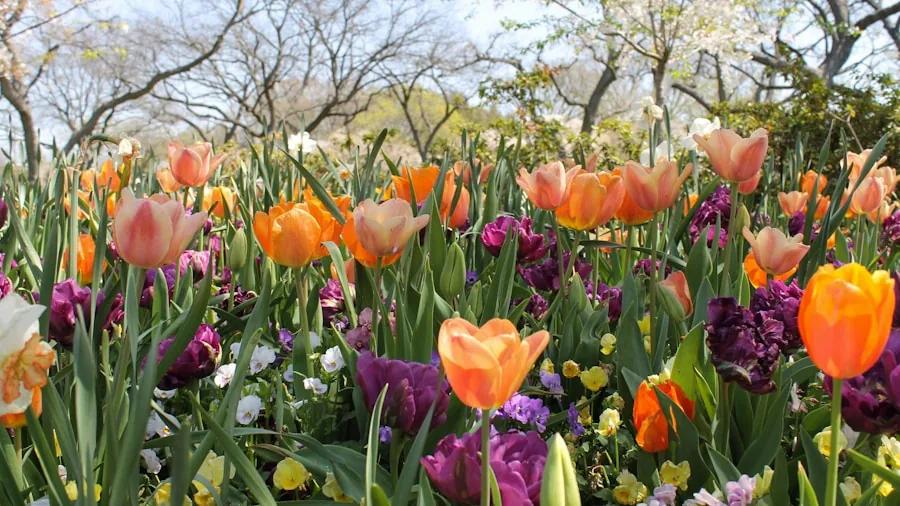
This season features an exceptional roster of introductions spanning multiple species. Tulipa ‘Strawberry Cream’ opens as an unremarkable green bulb before revealing layers of sugar-pink petals that splay into rose-like blooms. This rare variety thrives in zones 3-8 and reaches 24 inches tall, delivering mid-to-late spring color without demanding special care.
Gardeners seeking architectural interest should consider Allium scorodoprasum ‘Art’, a Netherlands import that carries purple flowers on wiry, extended stems. The blooms persist 2 to 4 weeks, then transform into structural seedheads that extend visual appeal through summer. For those drawn to dramatic forms, Tulipa ‘Mystery Dream’ features double petals that shift from velvety magenta to nearly black under changing light, resembling peonies rather than tulips.
Florists are currently bidding against home gardeners for Anemone Fullstar Red/White, a double-flowered cultivar with densely layered petals ranging from blush white to coral red. The striking dark center and exceptional vase life make it equally valuable for cut arrangements. Scilla peruviana, the Portuguese squill, produces dome-shaped clusters of violet-blue star flowers that bloom progressively from outside inward over weeks. This underutilized species works beautifully as an edging plant or in container gardens.
Smaller-scale varieties pack personality despite compact sizing. Crocus ‘Whale Shark’ reaches only 4 inches but delivers purple petals brushed with silvery white, blooming earlier than standard crocus varieties. Tulipa ‘Little Beauty’ grows 4 to 6 inches tall with hot-pink petals surrounding an azure blue center. Oxalis Versicolor offers candy-cane striped blooms that close into funnels without sunlight, creating an ever-changing visual display from spring through fall.
Allium atropurpurem rounds out the selection with burgundy flowers on sturdy 34-inch stems. This Eastern European native blooms in May and June, then provides months of textural seedhead interest. All of these varieties are low-maintenance and reward early planners with years of reliable performance.
Essential Planting Guidance for Fall Success
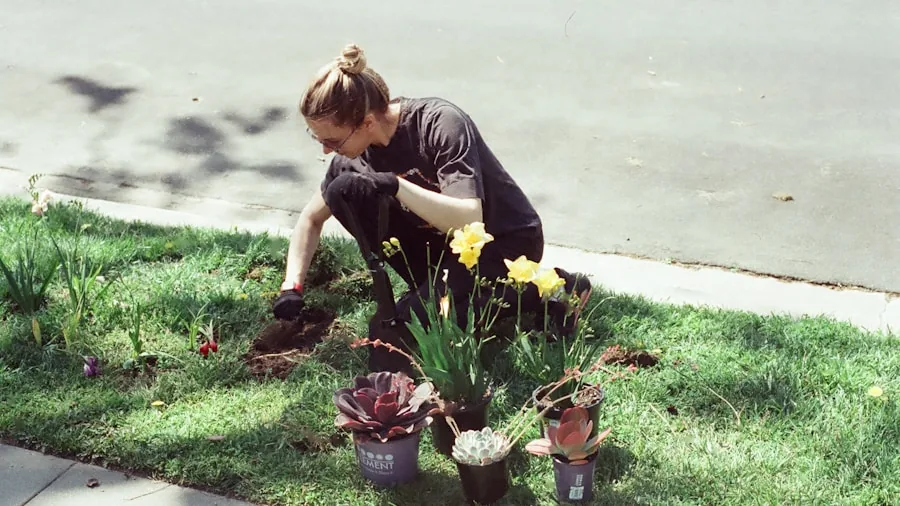
Timing varies by bulb type. Spring-flowering species like daffodils and crocus should be planted by late September, while later bloomers tolerate October installation. Tulips specifically prefer November planting. Use a simple soil thermometer to confirm when ground temperatures have dropped consistently below 55 degrees Fahrenheit.
Drainage is the single most important factor for fall-planted bulbs. Soggy winter conditions cause rot, so amend heavy soil by mixing coarse sand, fine gravel, or horticultural grit before planting. Choose sunny locations, as nearly all fall-planted bulbs require substantial daily sunlight, though some tolerate partial afternoon shade. Pairing your bulbs with compatible perennials like sedums creates layered seasonal interest that extends well beyond spring blooms.
Plant bulbs at a depth equal to two or three times their height, spacing them twice their width apart. For clusters, reduce spacing to one bulb-width apart in containers. Bulb planters, augers, and specialized tools speed installation, particularly when establishing large drifts. Place bulbs pointy-end up, firm soil around them, and skip watering because fall moisture and winter precipitation provide adequate hydration.
Storage and Preparation Tips
Once bulbs arrive, transfer them immediately from shipping packaging to brown kraft paper lunch bags. Label each variety clearly so you remember what you planted where. Store in a location with good air circulation away from ripening fruit, which produces ethylene gas that damages bulbs. Check stored bulbs occasionally for mold or pest damage, though properly dried specimens rarely develop problems.
Container gardeners can purchase affordable planters now while selection is wide, then prepare soil and drainage materials during the storage period. This advance preparation ensures smooth installation when planting conditions arrive.
The August buying window represents your best opportunity to secure exclusive varieties and ensure guaranteed availability of the newest selections. Stock up now while nurseries maintain full inventory, and you’ll enjoy unparalleled spring and early summer color throughout your garden.






Write Your Review
No reviews yet. Be the first to share your experience!