

If you have fruit trees in your yard, you know the mess that comes with late summer and early fall. Apples, pears, and other fruit drop steadily before harvest time, creating a carpet of bruised windfalls across the ground. Traditional cleanup methods like bending to pick them up by hand or raking them into piles take a toll on your back, and neither approach addresses the real problem that fallen fruit creates. A specialized garden tool called a nut gatherer is changing how homeowners handle this seasonal chore.
What is a Nut Gatherer and How Does It Work?
A nut gatherer looks unusual at first glance: a springy wire cage mounted on a long handle that you roll across the ground much like a carpet sweeper. The design is elegant and simple. Heat-tempered steel wires run around a rotating drum with fixed spacing. As you roll the tool over fruit, pressure spreads the wires just enough to let objects pass through before they snap closed behind them, trapping the fruit inside. When the cage fills up, a quick-release spreader on the handle opens the wires so you can dump the load into a bucket.
The tool earned its name because nut collection was its original purpose, but modern users have discovered that clearing fallen fruit may actually be the most rewarding application. The cage design means you can work standing upright the entire time, eliminating the back strain that comes with traditional collection methods.
Size Matters When Choosing a Model
Nut gatherers come in several sizes, each designed for different fruit and nut dimensions. The most common large-capacity model handles objects between 1.5 and 3 inches in diameter, making it ideal for standard apples and pears as well as black walnuts. Smaller models drop to 0.75 to 2 inches, working well for crabapples, small plums, pecans, and acorns. Even more compact versions focus on tiny acorns and buckeyes in the 3/8 to 3/4 inch range. Before purchasing, measure the fruit on your trees to ensure you select a model that will actually capture what falls. A tool designed for small acorns won’t be useful under an apple tree, and one built for large apples will miss cherries entirely.
Why Clearing Windfall Fruit Matters More Than Tidiness
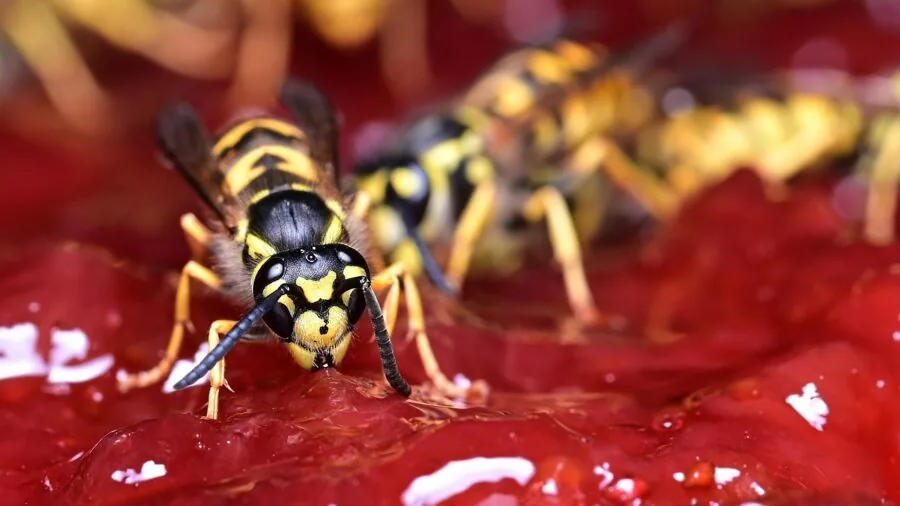
Leaving fallen fruit on the ground under your trees creates serious garden problems that extend far beyond appearance. Yellowjacket colonies peak in late summer and early fall, with individual nests holding thousands of workers by August. As the season progresses, these wasps shift their diet away from insects and toward sugar sources. Fermenting fallen fruit beneath a tree sends a powerful signal to nearby colonies, attracting swarms that feed all day on rotting apples. Stings typically occur when someone reaches into tall grass or runs a mower across the patch.
The pest issues run deeper than just wasps. Apple maggot larvae feed inside fruit, escape once it hits the ground, then burrow into soil below where they pupate and emerge as flies the following summer. Codling moths exploit the same neglected windfalls. Brown rot fungus overwinters in dried fruit mummies on the ground, ready to restart its cycle each spring. Proper garden maintenance with quality tools and protective gear can help you stay safe while addressing these issues.
Best Practices for Collecting and Disposing
Work systematically across the drop zone in one direction, then cross the same area at right angles. Because the cage occasionally misses fruit on rough ground, a second pass will catch most stragglers. Empty the collected fruit directly into a bucket rather than back onto the grass, since returning it defeats the entire purpose of collection.
Never add collected windfalls to your regular compost pile. Apple maggot larvae and brown rot spores both survive standard backyard composting, which doesn’t reach the high temperatures needed to kill these pests. Instead, bag the fruit for household waste disposal or bury it deeply if that’s impractical. Keep collected fruit in a lidded container to prevent wasps from accessing it while you gather more.
For fruit trees producing heavy crops, using proper pruning equipment earlier in the season can help reduce the total amount of windfall you’ll need to collect later.
Different Models Available
Nut gatherers vary in capacity, handle length, and emptying mechanisms. Standard models with fixed 47.5 inch handles suit average-height gardeners but may require bending for taller users. Telescopic handle versions extend from 28.75 to 50.5 inches, accommodating different heights. Some models feature side outlet dumping, while others use a cage-release mechanism. Capacity typically ranges from 1 to 1.5 gallons, with larger models holding more before requiring emptying.
A few specialized versions include flexible tines you can use to stab at crabapples and small fruits clustered under branches, then eject them with a handle mechanism. Setting up organized growing spaces with raised beds can help reduce overall maintenance issues.
The Bottom Line
An afternoon spent clearing windfall fruit now prevents a season of wasp stings and a spring of pest reinfestation. The nut gatherer makes that work faster, easier, and safer for your back, despite its unusual appearance. For anyone with fruit trees, this humble tool delivers real value.






Write Your Review
No reviews yet. Be the first to share your experience!