

Illegal Exotic Pet Trade: What You Should Know About Wildlife Rescue and Captive Animals
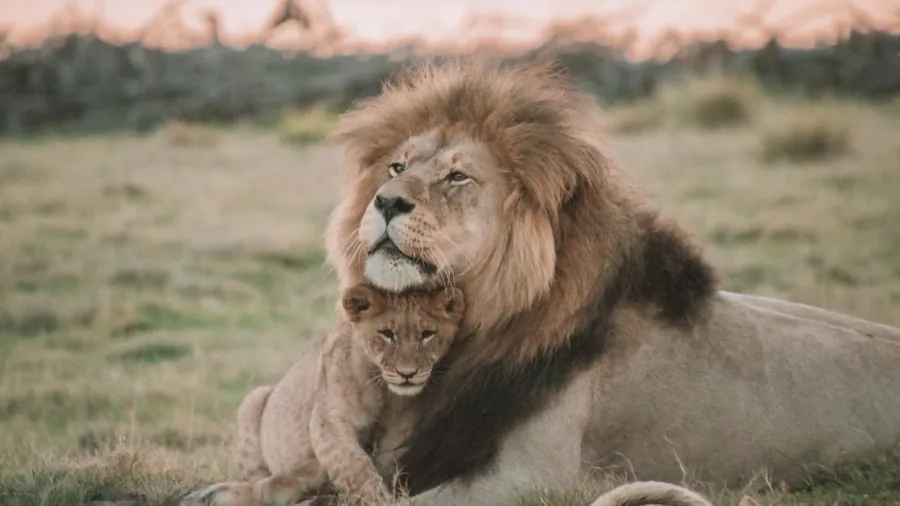
Two young lions named Ori and BenTzur recently completed a 50-hour journey from Israel to a sanctuary in South Africa, marking the end of their time in captivity as illegal “trophy pets.” Ori spent his early months in a basement, while BenTzur was found tied to a tree on a short rope. Both were rescued by authorities during a crackdown on illegal wildlife trafficking, but their rescue was only the beginning of a longer fight to help them recover and live as lions should. Understanding their story matters to shoppers who care about pet welfare and ethical consumer choices.
Why Exotic Animals Make Poor Pets
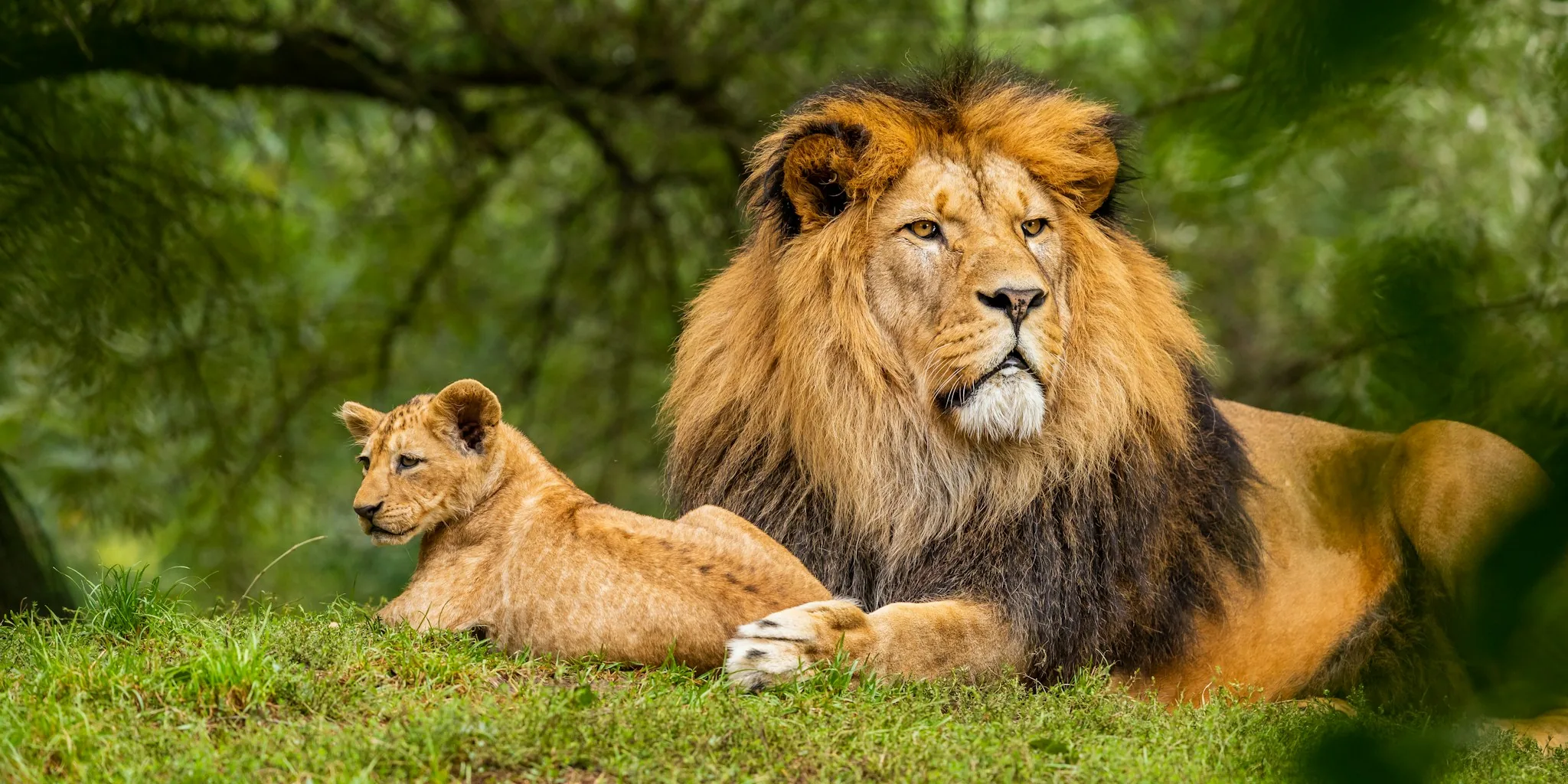
Lion cubs are undeniably adorable. Their oversized paws, round faces, and clumsy curiosity make them seem like oversized exotic kittens for just a few months. This appeal drives the illegal pet trade, where young predators are removed from their mothers far too early and treated as social media props or status symbols. However, beneath that cute exterior lies a developing large predator with teeth, claws, muscles, and natural instincts built for a completely different life.
When a human provides food and warmth, they cannot replicate what a cub learns from its mother and pride. Young lions normally grow surrounded by other pride members, learning through observation, play, and correction. They learn boundaries, communication, and how to behave within their social group. A cub separated from its mother misses critical developmental stages that no amount of human care can replace. In domestic kittens, early separation from mothers and littermates often causes behavioral problems like excessive skittishness or rough play. When those issues occur in a lion-sized animal, the consequences become serious and dangerous.
The Social Media Connection
Every time someone watches, likes, shares, or comments on a video of an exotic animal being handled as a pet, they inadvertently fuel demand for the illegal wildlife trade. What viewers see is a cute bottle-fed cub with oversized paws cuddling with a human. What they do not see is the basement confinement, the separation from the mother, or the dangerous adult predator the animal will become. Social media accounts featuring exotic animals have attracted millions of followers, normalizing interactions with wild species and turning them into entertainment.
Your engagement with such content matters more than you might realize. Every like, share, and comment signals that audiences want more of this type of material, encouraging creators to seek out more captive wild animals for content. One easy way pet owners can make an ethical choice is to simply scroll past exotic pet videos without engaging, rather than helping to amplify content that supports illegal wildlife trafficking.
Why Rescue Does Not Always Mean Release to the Wild
A rescued wild animal does not automatically return to its natural habitat. Ori and BenTzur spent their formative months in captivity and became accustomed to human contact. Early malnutrition, genetic problems from inbreeding, and their close human interaction mean they can never be safely released into an African ecosystem. They lack hunting experience, appropriate wariness of humans, and any social experience of growing up within a pride. Many rescued big cats face this same reality, including six young lions previously rescued from illegal captivity in Kuwait.
The solution for these animals is a permanent sanctuary home, much like the 2.5-acre habitat in South Africa where Ori and BenTzur now live. Sanctuaries provide veterinary care, proper nutrition, enrichment, and opportunities to behave like lions within a safe environment. These habitats include platforms and dens where lions can climb and explore, giving them a life built around their natural needs rather than human desires.
Making Ethical Pet Choices
The story of Ori and BenTzur demonstrates why domestic pets like cats have evolved alongside humans for thousands of years, while exotic wild animals never should be kept as pets. Even well-intentioned owners cannot provide what wild predators need to thrive emotionally and behaviorally.
For consumers, this means choosing to support legitimate pet ownership with species bred for domestic life. When shopping for pets, work with reputable breeders and rescue organizations that follow ethical practices. Avoid purchasing exotic animals, and never support businesses or content creators profiting from captive wildlife.
A Different Kind of Happy Ending
Ori and BenTzur’s story may not end with two lions running free across the African savannah, but it remains a happy ending. Two young lions now live in a secure, species-appropriate habitat where they can spend the rest of their lives free to behave as lions should. They cannot recover their first 16 months or learn everything they would have learned from a mother or pride, but they now have space to explore and rest in ways that matter to their species. By understanding and supporting ethical wildlife rescue, shoppers can help ensure that fewer animals suffer this fate in the future.


Write Your Review
No reviews yet. Be the first to share your experience!