
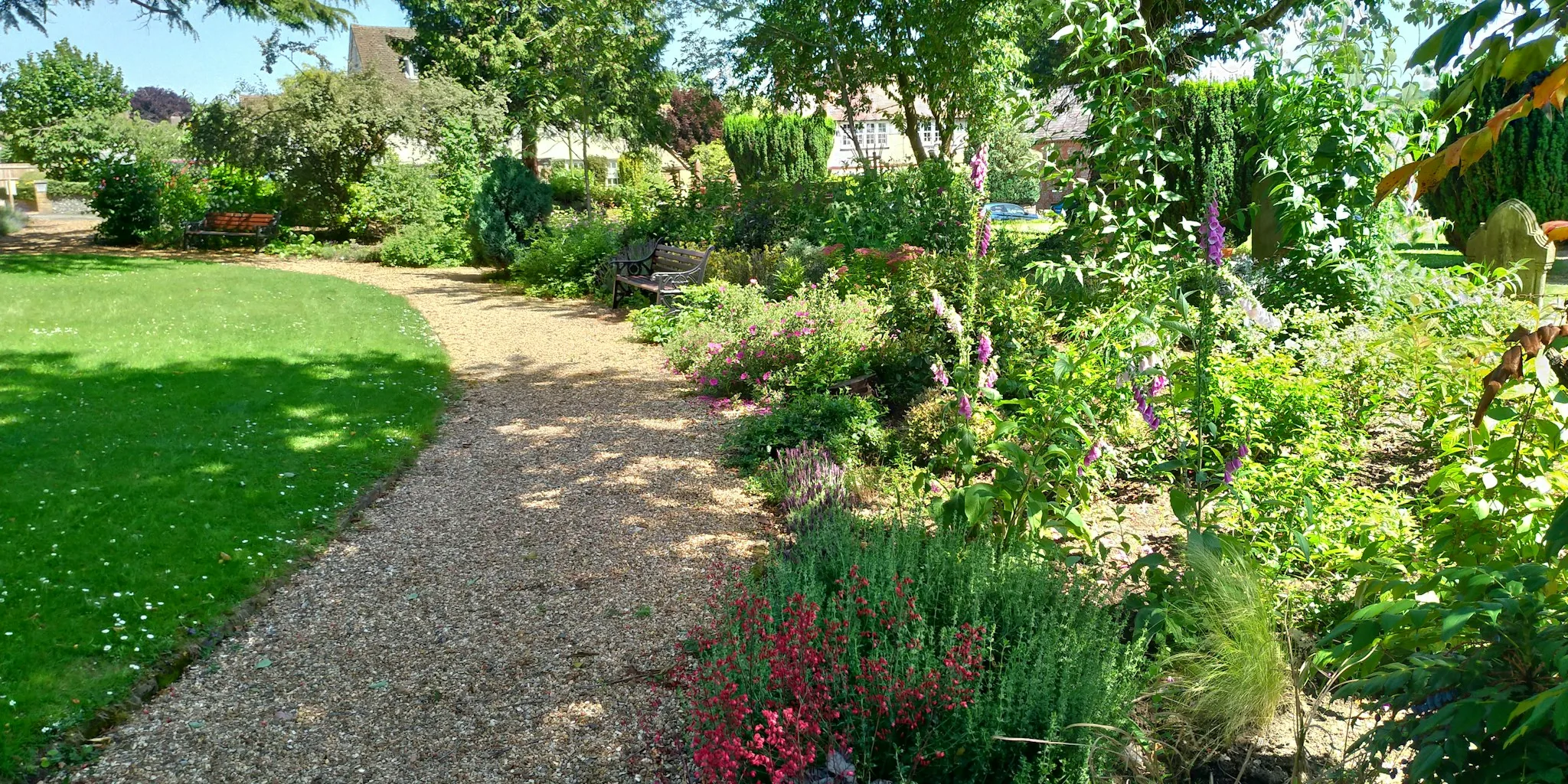

Creating a beautiful garden doesn’t require endless watering and maintenance. Drought-tolerant gardens are becoming essential for homeowners looking to conserve water while maintaining stunning outdoor spaces. These landscaping strategies, favored by professional designers, prove that sustainable gardening and visual appeal go hand in hand.
1. Build a Rock-Based Landscape Structure
Rockscaping is a modern approach to water-conscious gardening that uses stone to retain soil moisture and regulate soil temperature. Large anchor rocks create visual structure, while layered pebbles, crushed stone, and gravel build depth and interest. This technique allows you to plant less densely than traditional borders, immediately reducing your irrigation needs. The beauty of rockscaping is its versatility: you can source local stone for sustainability and carbon-footprint benefits, or search budget-friendly platforms like Facebook Marketplace and Craigslist for surplus landscaping materials from nearby projects.
2. Incorporate a Dry Creek Bed Design
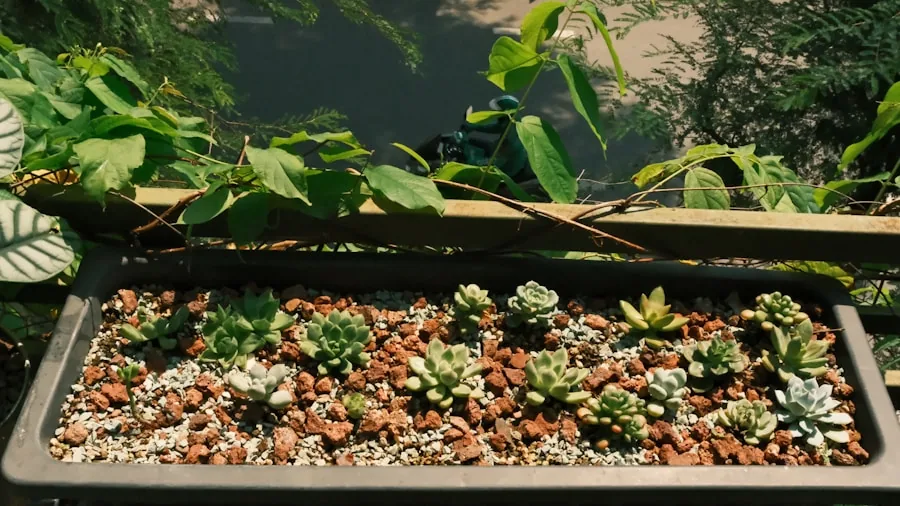
Dry creek beds solve drainage challenges while creating an ornamental focal point in your garden. This landscaping feature mimics a pebbly stream without water and naturally directs moisture into the soil where your plants can access it. The installation is straightforward: excavate a curved path, install landscape fabric that allows water penetration, then layer pea gravel and larger river pebbles for authenticity. Enhance the design with tall accent plants like lavender and yarrow, feathery ornamental grasses, and low spreaders such as sedum to blur the transition between hardscape and planting.
3. Choose Statement Succulents as Focal Plants
Don’t settle for anonymous drought-tolerant choices. Spectacular specimens like aeonium bring drama with their colorful rosettes in black, red, and lime green, plus architectural stems and bright yellow star-shaped flowers. Succulents thrive in the dry, gritty growing medium created by crushed stone and gravel, making them ideal for water-conscious designs. These showstoppers become the conversation pieces of your garden while requiring virtually no supplemental watering once established.
4. Use Large Containers with Desert-Adapted Plants
Container gardens typically demand more water, but large planters filled with drought-tolerant specimens significantly reduce irrigation. The key is creating a fast-draining growing medium by mixing standard potting soil with perlite, coarse sand, or grit. Top-dress containers with gravel mulch to lock in soil moisture. Even compact dwarf conifers like blue-green pines work beautifully in containers, providing year-round structure and visual interest while sipping minimal water.
5. Plant Low-Growing Ground Covers
Resilient ground cover plants act as living mulch, preventing soil moisture from evaporating and blocking weeds that compete for water. Creeping thyme is an excellent choice, thriving in poor soil, sand, gravel, and full sun. Once established, it needs virtually no watering and releases fragrant foliage when stepped on. Young plants establish faster than seeds and provide soft gray texture plus pink late-spring blooms that soften edges around paths and driveways.
6. Replace Your Lawn with Gravel and Plants
Traditional lawns struggle in hot, dry summers and are increasingly replaced by landscapers seeking sustainable alternatives. Eliminate turf, lay landscape fabric, cut planting holes, and spread a thick gravel layer. The result is a water-wise garden that requires minimal upkeep. Consider visiting raised garden beds if you’re adding structured planting areas to your design. Water established plants gradually less frequently, allowing roots to deepen and source their own moisture.
7. Create a Native Perennial Meadow
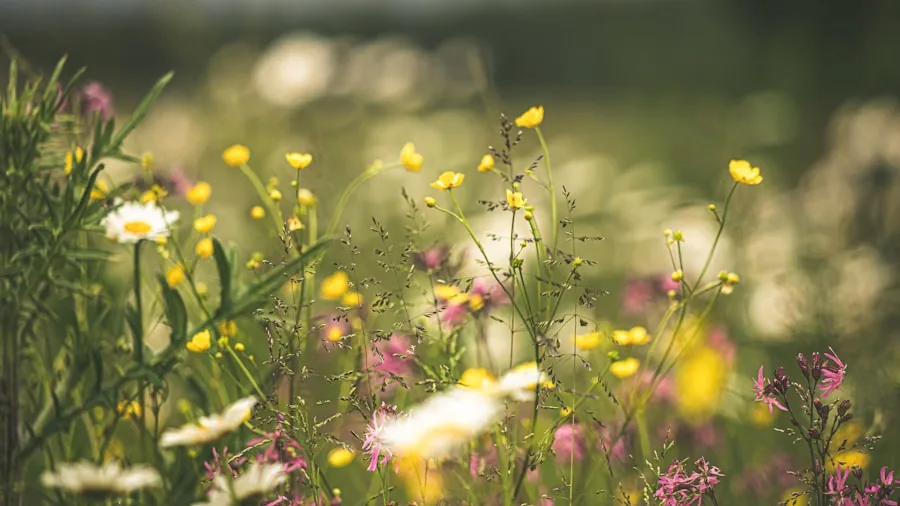
Replace your lawn entirely with a native perennial meadow to support pollinators while reducing water demands. Choose plants adapted to your local climate and soil, selecting diverse heights, textures, and colors for visual richness. Yarrow, coneflowers, black-eyed Susan, and bee balm thrive in dry conditions, while ornamental grasses fill gaps and create layered texture. For budget-conscious gardeners, wildflower seed creates a naturalized meadow with minimal investment. Tools like garden pruners help maintain these plantings as they mature.
Finishing Touches and Long-Term Care
Add a drought-tolerant shade tree such as crape myrtle, palo verde, or olive to protect other plants from heat stress and reduce soil evaporation. Tree canopies cool surrounding areas while allowing beneficial plants to thrive beneath their dappled shade. Soften hardscape edges with eye-catching plants featuring brightly colored foliage or draping stems like pink muhly grass and coral bells.
While drought-tolerant gardens require far less maintenance than traditional gardens, they’re not entirely maintenance-free. All plants need regular watering during their establishment phase as they develop deep root systems. Ongoing care includes weeding, mulching, occasional irrigation, and light pruning. The effort pays dividends: a yard independent of regular watering is smart planning for our warming climate without sacrificing beauty or design sophistication.




Write Your Review
No reviews yet. Be the first to share your experience!