
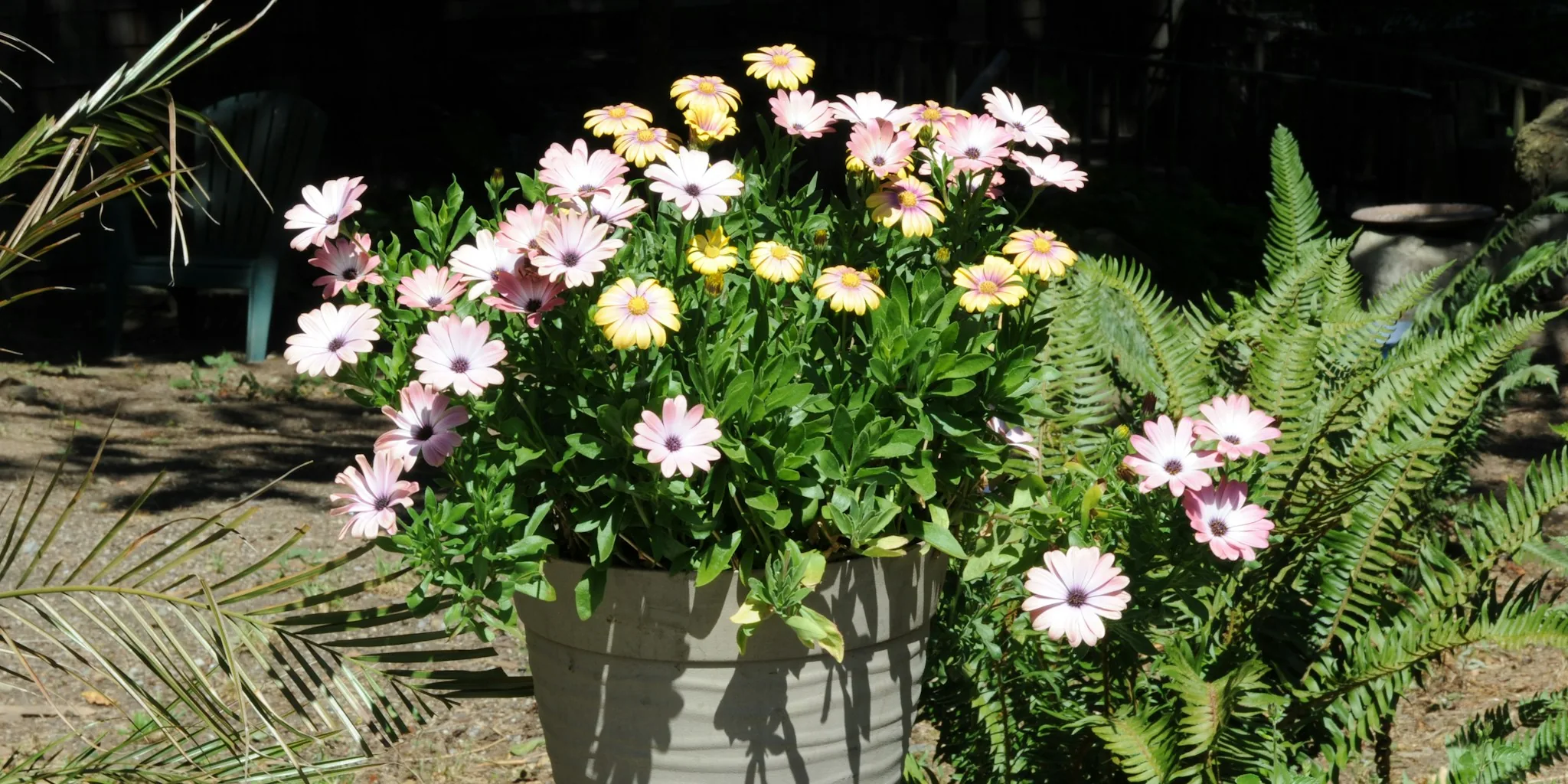

As August temperatures begin to ease and summer slowly winds down, many gardeners notice their container plants starting to fade. The heat stress and nutrient depletion common to potted plants at season’s end can leave porches and patios looking dull when there’s still plenty of warm weather ahead. But a simple, affordable solution exists: applying tomato feed to reinvigorate flowering in late-season containers can deliver a surprising second wave of blooms that extends color well into autumn.
This technique works because tomato feed is fundamentally different from general-purpose plant fertilizers. While standard plant feeds contain balanced or high nitrogen levels that encourage new stem and leaf growth, tomato formulations prioritize potassium, also called potash. Potassium directly stimulates flower and fruit production rather than foliage growth. This distinction matters enormously in late summer: new tender growth triggered by nitrogen-heavy feeds won’t have time to harden before frost arrives, leaving plants vulnerable to cold damage. By switching to tomato feed now, gardeners can maximize blooms while minimizing frost risk.
Beyond potassium’s flowering benefits, this nutrient also strengthens plant cell walls, toughening tissue in preparation for winter’s arrival. Additionally, tomato feeds typically contain magnesium, a micronutrient that corrects yellowing leaves often seen in container plants by late summer. This yellowing, called chlorosis, occurs because potted plants exhaust their limited soil nutrient supply faster than ground plantings. Frequent watering in hot, dry conditions compounds the problem by washing nutrients from the soil more rapidly. Tomato feed helps replenish these depleted reserves.
How to Apply Tomato Feed Correctly
Success with tomato feed depends on proper application technique. Always water containers first with plain water to ensure moist soil, since dry soil absorbs feed unevenly and can experience root burn. Dilute liquid tomato feed exactly according to package instructions: concentrations that are too strong can damage roots rather than help them.
Apply the diluted feed either early in the morning or late in the afternoon when evaporation is minimal. While an overcast day is ideal, timing matters more than cloud cover. Water the soil directly rather than wetting foliage, using a watering can with a rotating spout to target the root zone accurately. Repeat applications every two weeks, but timing varies depending on plant type.
Different Schedules for Annuals and Perennials
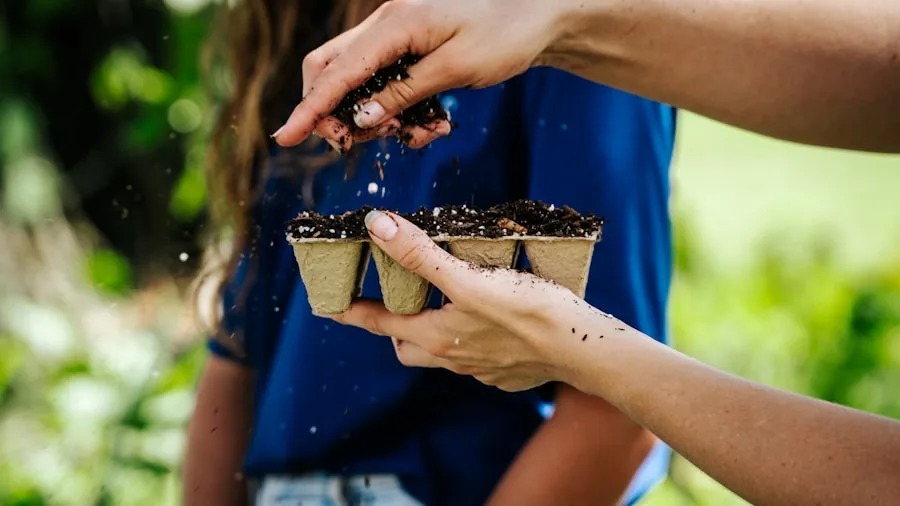
Annual plants like petunias and begonias benefit from consistent tomato feed applications right up until the first frost kills them. Since these plants complete their entire lifecycle in a single season anyway, continued feeding maximizes their final weeks of color. Many gardeners report that their annual container plantings outlast neighbors’ displays by several weeks using this method, especially when combined with high-impact plant varieties chosen for late-season performance.
Perennial plants require more cautious timing. Feed perennials now and again in two weeks, but stop applications by mid-September or about six weeks before your area’s expected first frost date. Feeding too late interferes with the plant’s natural dormancy cycle, which can reduce winter hardiness. Early-season tomato applications for perennials serve dual purposes: they toughen cell walls against frost damage and allow plants to store energy in their roots for a stronger spring awakening.
Maximizing Results with Complementary Practices
Tomato feed works best alongside other late-season care strategies. Regular deadheading, the practice of removing spent flowers, keeps plants channeling energy into new blooms rather than seed production. Just 5 to 10 minutes of daily deadheading produces dramatic results. Quality pruning tools with soft-grip handles make this task more comfortable and encourage proper technique that promotes fuller flowering.
Consistent soil moisture also matters significantly. The late-summer weather rollercoaster of alternating heat and rain can make watering decisions difficult. A moisture meter removes guesswork by indicating precisely when containers need water, helping maintain the consistent soil conditions plants need to thrive. This combination of proper nutrition, regular maintenance, and smart watering extends the container gardening season substantially.
For ground-planted gardens, a seaweed tonic offers similar late-season benefits without the need for tomato-specific formulations, since in-ground plants access a larger soil volume with more naturally available nutrients. Container plants, however, benefit uniquely from tomato feed’s concentrated nutrient profile tailored to their confined growing conditions.
The investment in tomato feed is minimal, and the results justify the effort. Rather than accepting that patio color must fade by late August, gardeners can take control and push their container displays into the fall season with this simple nutrient adjustment.





Write Your Review
No reviews yet. Be the first to share your experience!