
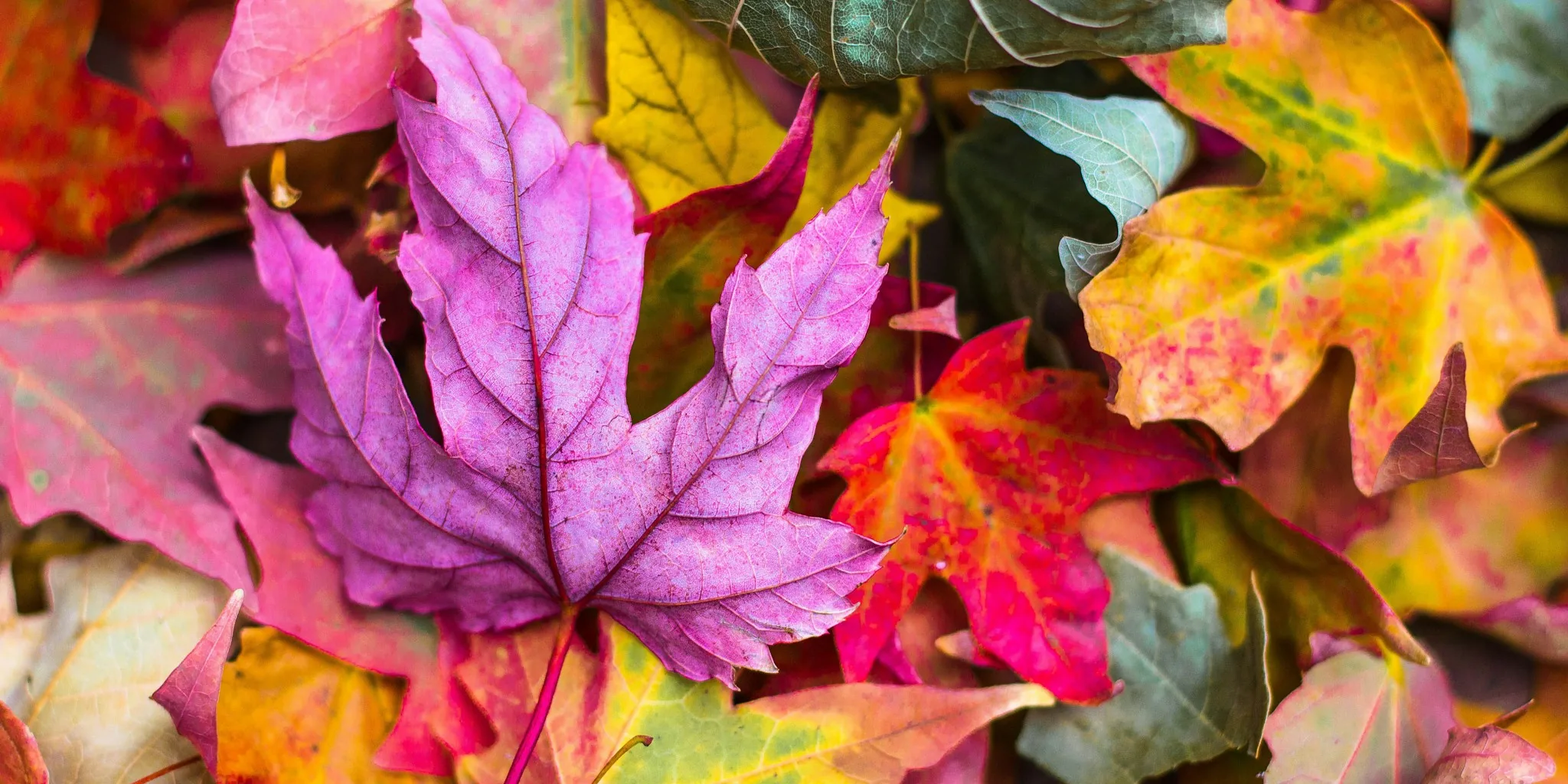

If you’re a gardener who loves the crisp autumn season, the 2026 fall foliage forecast is out, and it reveals exactly when your trees will reach their most vibrant colors. This year, the prediction carries extra importance because extreme weather patterns across the country will create sharp contrasts in fall displays, making advance planning essential for anyone wanting to catch peak color in their own backyard or plan travel to see nature’s autumn show.
Understanding the Fall Foliage Forecast
The fall foliage forecast is a nationwide predictive mapping system that combines historical temperature and rainfall data with current weather forecasts and information about regional tree species. The concept started in 2013 as a tool for visitors to the Smoky Mountains, but it has evolved into an interactive system updated regularly throughout the season. Real-time reports from users help refine predictions, making the accuracy comparable to long-range weather forecasting.
For gardeners specifically, the Explore Fall Foliage Map offers the most useful approach because it updates daily and includes a personalized location feature. You can place a pin on your exact address to see tailored predictions for your area. The Old Farmer’s Almanac Fall Foliage Map relies on historical patterns and is considered highly dependable for comparison purposes, while AccuWeather’s Fall Forecast helps explain the underlying causes of color changes, such as soil moisture and heat stress.
Why Leaves Change Color and What Weather Means for Your Garden
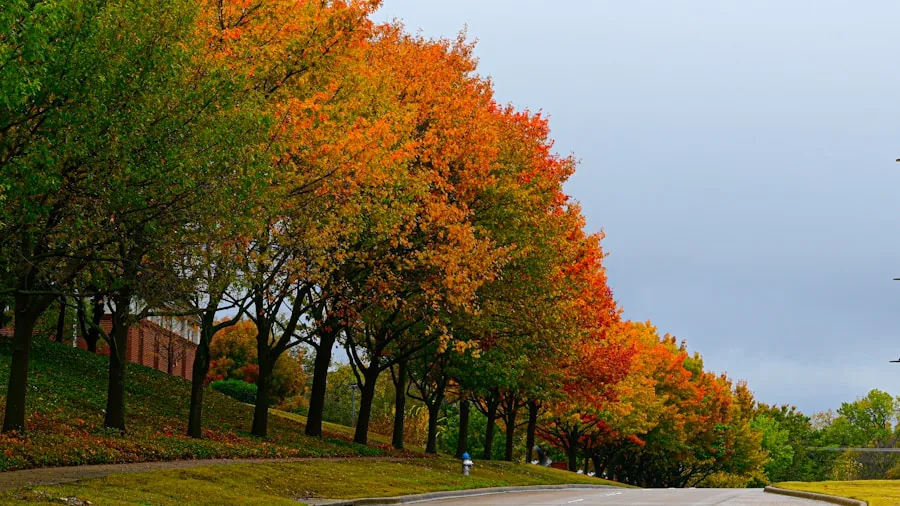
As daylight shortens in fall, trees reduce photosynthesis and stop producing chlorophyll, allowing hidden pigments to emerge. Carotenoids create orange tones while xanthophylls produce yellows, and these pigments exist in nearly all trees year-round but remain masked by green chlorophyll during growing season. Species like aspens, birches, and hickories display rich golden colors because they carry high levels of these pigments.
Red and purple hues come from anthocyanins, which trees produce from sugars trapped in leaves as temperatures cool. Trees like red maples, scarlet oaks, and sweetgums display these fiery colors. However, weather dramatically influences how vibrant these displays become. The ideal conditions include consistent spring moisture that promotes healthy foliage, sunny fall days that maximize sugar production, and cool nights that seal leaf veins and trap that sugar inside.
Heat and drought stress force trees to conserve water by shutting down photosynthesis early, which is why yellows and oranges appear prematurely during difficult years. Severely dehydrated trees may shed leaves before the colorful display even begins, dropping dull green or brown leaves instead of the brilliant autumn palette shoppers and gardeners anticipate.
Using the Forecast as a Health Check for Your Trees
Beyond planning when to enjoy autumn colors, the fall foliage forecast serves as a practical health indicator for your garden. Comparing your trees’ colors to local area averages helps you spot stressed trees that might need additional water, mulching, or other support before problems become critical. Keeping a journal that notes when fall colors first appear, which hues emerge, and how they progress over weeks will build a valuable record for future years.
A simple practice like pressing the first color-changing leaf from key trees and noting the date creates a useful almanac that tracks your trees’ seasonal patterns. Understanding which species peak early or late also helps you design a garden that maintains visual interest throughout the entire autumn season. With proper garden pruners and maintenance tools, you can also shape trees to encourage healthy growth that supports better fall displays.
The 2026 Forecast: Winners and Losers
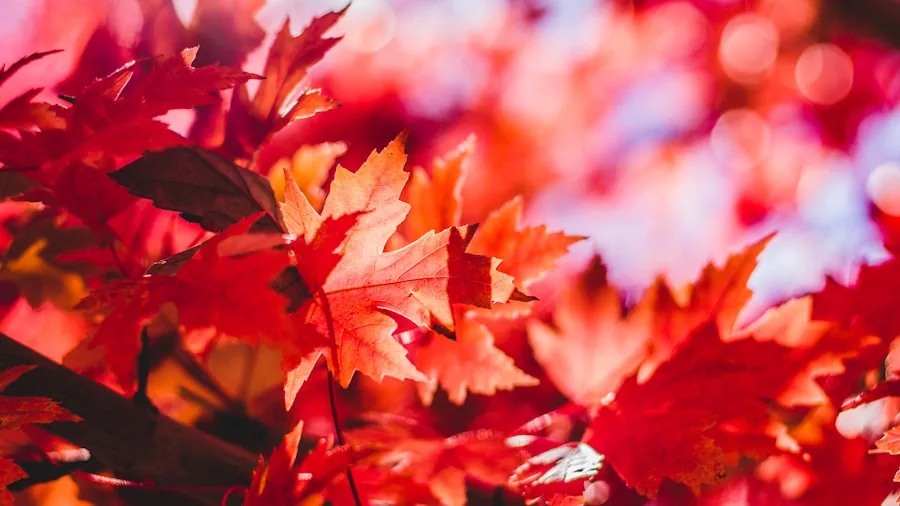
This year’s extreme temperature swings and unusual rainfall patterns will create a mixed autumn across the country. Northern California is expected to deliver above-average color displays because tree canopies have remained adequately hydrated and calm weather is predicted. New England and upstate New York will likely show strong colors thanks to higher-than-normal late spring rainfall, and the Great Lakes and Upper Midwest should see vibrant foliage from consistent summer moisture.
However, other regions face disappointment. Rocky Mountain aspens are unlikely to reach their typical golden brilliance due to low winter snowpack causing early drought stress. The Southeast and Lower Mid-Atlantic will likely display duller tones from summer drought and recent cloud cover. The Pacific Northwest’s heat-stressed trees may struggle to produce the color show gardeners expect.
Selecting Trees for Reliable Fall Color
If you’re planning to upgrade your garden, consider varieties known for reliable autumn displays. Serviceberries reach only 8 to 10 feet tall and transition from spring yellow to intense golden fall colors in zones 5 through 8. Amelanchier species offer brilliant foliage plus white spring blooms and blueberry-like fruit for preserves. For something more dramatic, newer redbud varieties display a fiery mix of orange, yellow, red and green in fall, with burgundy-red heart-shaped leaves that emerge in spring and reach 15 to 20 feet tall in zones 5 through 9.
Raised garden beds filled with complementary understory plants can enhance the impact of specimen trees. Consider using quality gardening gloves when planting and caring for your foliage-focused landscape so you can work comfortably throughout the seasons. Checking this year’s forecast and matching tree selections to your region’s expected color performance ensures you’ll make the most of autumn in your garden.



Write Your Review
No reviews yet. Be the first to share your experience!