


What SAE Wants Remote Drivers to Learn
The automotive industry is moving toward self-driving vehicles that still need human oversight, and a major standards organization has just created the rulebook for training the people who monitor them from afar. SAE International’s Autonomous Vehicle Safety Consortium released comprehensive best practices for remote operator training that outline what these digital supervisors need to know before taking control of a multi-ton vehicle from a computer screen thousands of miles away.
Unlike traditional driving, remote operators won’t be steering a car or pressing pedals. Instead, they monitor video feeds and sensor data, making decisions when the autonomous system gets confused or stuck. They might choose the right lane, confirm a suggested route, or authorize the next move. This is fundamentally different work from sitting in a driver’s seat, and it requires an entirely new kind of preparation.
The Skills That Actually Matter

Here’s what surprised many people: the new guidelines say remote operators don’t necessarily need a driver’s license. Since they’re not actually driving in the traditional sense, licensing isn’t mandatory, though companies can still require it if they choose. What matters instead is that operators understand the rules of the road where the vehicle is operating, including traffic laws, dynamic signage, and lane markings.
The training curriculum also demands operators develop a deep understanding of how the autonomous driving system works. They need to know the sensor setup, the decision-making process, and the specific way their employer’s technology operates. If you’re going to spend your shift watching camera feeds and sensor visualizations, you need to understand where that data comes from and how the system converts it into real-world navigation choices.
According to the new guidelines, credible expertise matters in the automotive space, and remote operator preparation should include simulator training without actual vehicle controls. These simulations can replay real-world scenarios or create invented situations so operators experience the kinds of challenges they’ll actually face. The standards also recommend ongoing retraining to keep skills sharp and teach operators about new features, system updates, or interface changes.
The Boredom Problem Nobody Expected
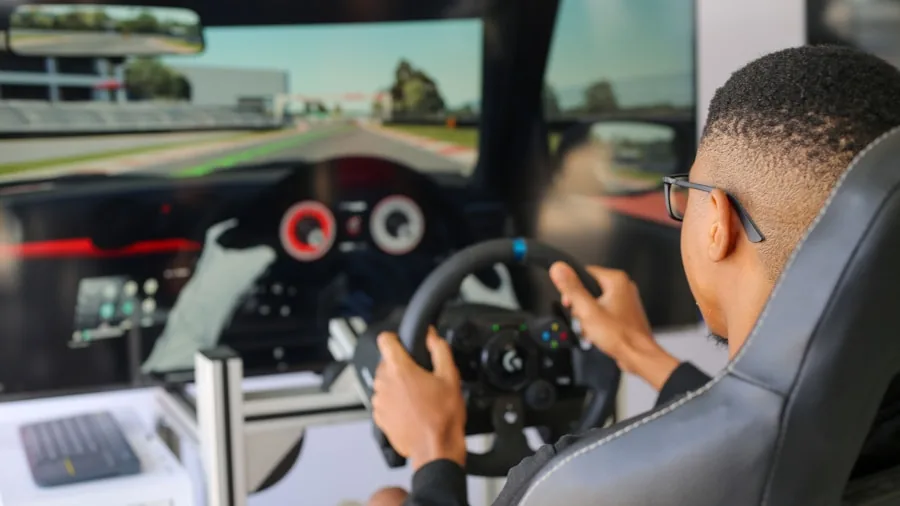
Here’s a challenge unique to remote operation: keeping someone alert when nothing is happening. Traditional driver’s education focuses on preventing distraction during active driving. Remote operators face the opposite problem. Sitting in front of a screen for hours with no required actions can lead to cognitive underload and reduced performance, even among attentive people.
The new standards acknowledge this and recommend companies help operators recognize when their own performance is declining. Operators should have a penalty-free way to request breaks, and workstation design should support sustained attention. Some robotaxi companies layer additional responsibilities on remote operators, asking them to handle customer communication or coordinate with emergency responders. Companies need to carefully balance these various duties so operators don’t become overwhelmed.
When you’re shopping for a ride in the future, this training infrastructure means the person helping your autonomous vehicle navigate is likely to be better prepared than you might assume. Dashboard cameras and safety devices already help protect traditional drivers, and remote operator training represents another layer of oversight for autonomous systems.
What This Means for Buyers
These guidelines matter because they signal that the autonomous vehicle industry is thinking seriously about safety and standardization. Right now, companies like Waymo and Zoox operate with varying levels of transparency about how their remote operators actually work. Having published best practices creates a baseline that companies should follow and gives consumers something to evaluate when deciding whether to use these services.
The standards recognize that remote operators face unique challenges that differ from traditional driving. They don’t need to parallel park or know mirror adjustment, but they do need technical knowledge, regulatory understanding, and the ability to make split-second decisions under pressure. As autonomous vehicles expand into more cities, understanding how this human oversight layer functions helps shoppers make informed choices about new transportation options.
These guidelines are mostly common sense formalized into written standards. However, their publication opens important conversations about operator training, compensation, and working conditions across the industry. As different companies develop their own approaches to interior design and user experience, remote operator stations will likely evolve too. The industry needed this rulebook, and buyers benefit from knowing that someone took the time to write it down and share it widely.





Write Your Review
No reviews yet. Be the first to share your experience!