
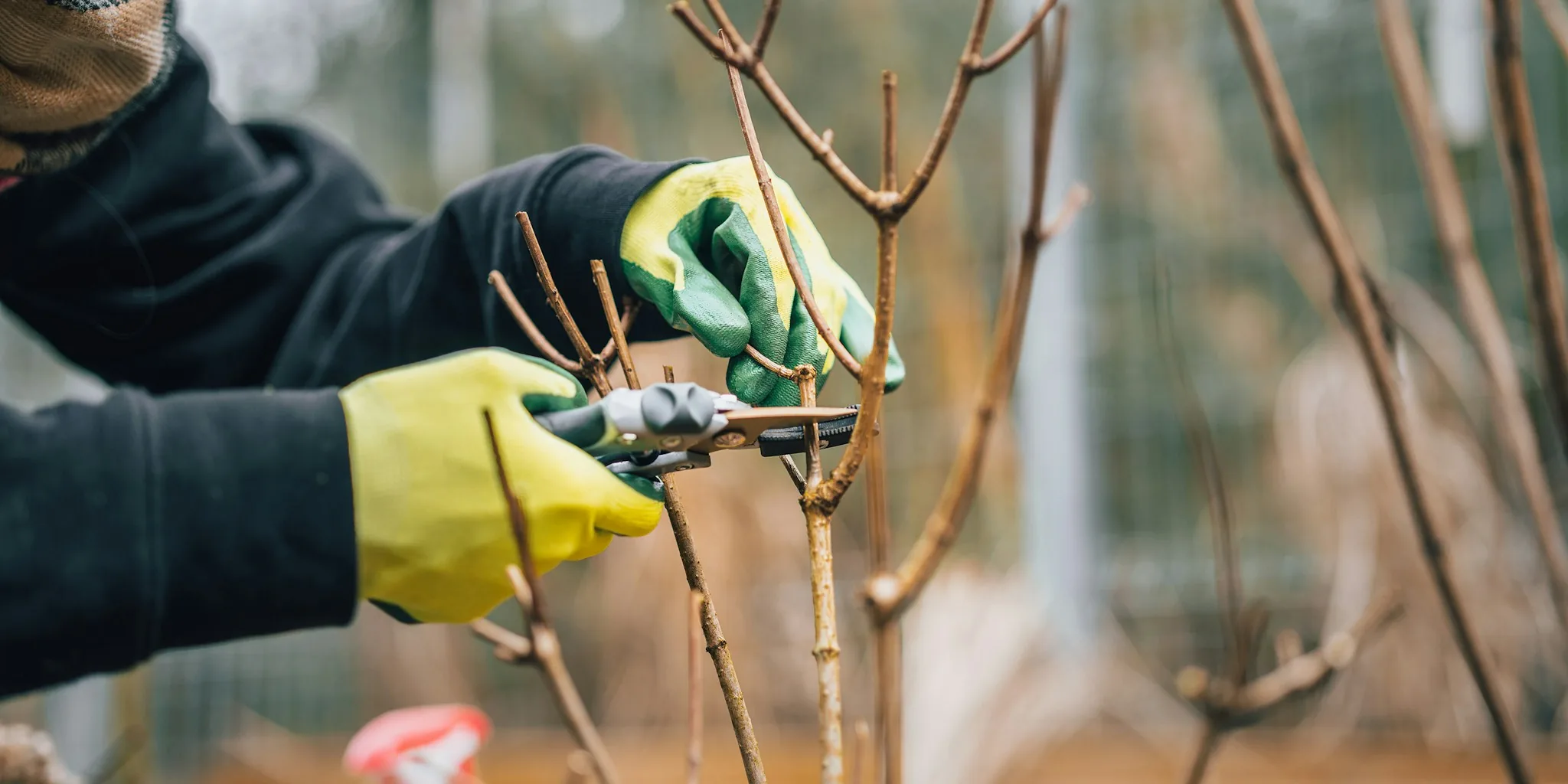

As summer winds down and fall approaches, many gardeners wonder whether their September garden needs a cleanup pass. The answer is nuanced: while extensive pruning in autumn can damage plants headed into winter dormancy, certain varieties actually benefit from strategic trimming during this window. Understanding which plants to prune in September and which to leave alone can mean the difference between a thriving garden next spring and one that struggles through the colder months.
Why September Pruning Requires a Different Strategy
Spring pruning invigorates plants because new growth has time to harden off before dormancy sets in. Fall is a different story. Heavy pruning in September stimulates tender new shoots that won’t establish themselves before frost arrives, leaving the plant weakened and vulnerable to winter damage. That said, light pruning of specific plants can tidy up your landscape and even prevent disease. The key is knowing which six plant types welcome the snips in early September.
Berry Bushes: Remove Spent Canes Now
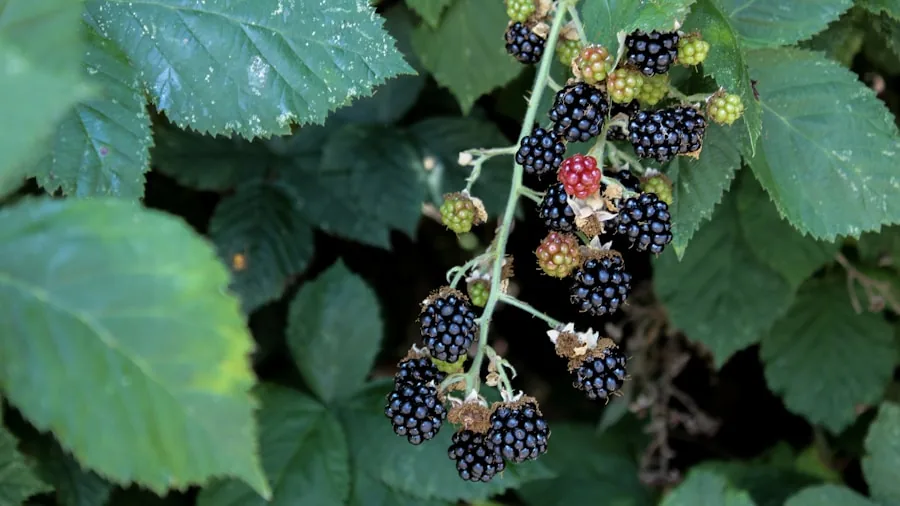
Blackberries, raspberries, currants, and gooseberries all follow a two-year cane cycle. First-year canes are green and produce no fruit. Second-year canes, called floricanes, bear fruit and then die. September is when you remove those exhausted floricanes at ground level, clearing the way for next year’s productive canes. Using sharp, sterilized pruners prevents disease spread between plants. The right pruning tools make this work faster and cleaner, and proper sanitization is essential for plant health.
Peonies: Clean Up Dead Material
If your perennial bed looks overgrown and messy by early September, peonies are often the culprit. These long-lived plants produce large, beautiful flowers but leave hollow stems behind. Remove all dead flower stems and basal foliage, cutting them at an angle to prevent water collection and rot. If new basal growth has emerged, prune just above it. This cleanup improves airflow and reduces the likelihood of fungal problems when spring arrives.
Mediterranean Herbs: Trim Before Winter Dormancy
Rosemary, lavender, oregano, and thyme are evergreen herbs from warm climates that cannot tolerate winter pruning. September is your window to give them a light tidy: snip browning stem tips, deadhead faded flowers, and reshape the plant gently. The goal is refinement, not severe reduction. These shrubs will maintain their structure through winter and push out fresh growth in spring if handled carefully now.
Yew Hedges and Foundation Plants: A Hardy Choice
Yew shrubs are tough enough to handle a September trim when other hedging plants cannot. Many homeowners prefer a single annual hedge cut, and September works well for yews. The challenge is keeping the top level. A simple trick involves pushing stakes into the ground at regular intervals, tying twine at your desired hedge height, and using that line as a cutting guide. Neat landscaping paired with well-maintained bed edges creates a polished overall appearance.
Shasta Daisies: Deadhead and Cut Back
These cheerful perennials with white petals and yellow centers brighten any border. Deadheading throughout the growing season extends blooms, but by September the plant naturally slows production. Once flowering ends for the season, trim stems back to just above the basal leaves and remove all garden debris. This cleanup reduces pest and disease overwintering sites and allows the plant to return stronger the following year.
Garden Phlox: Address Mildew and Thin for Air
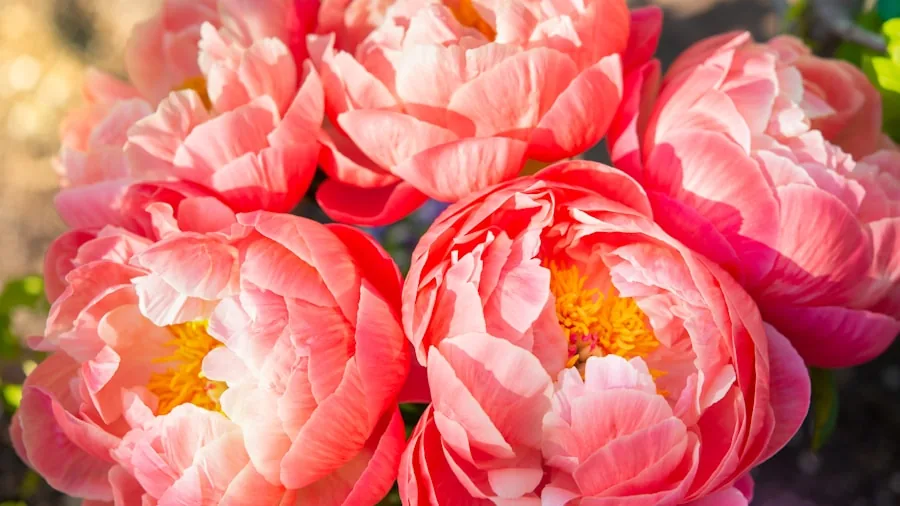
Garden phlox reaches peak bloom in early autumn and often battles powdery mildew in humid climates. Pruning helps on both fronts. Cut off the top third of tall stems to increase air circulation and reduce fungal disease risk. If you struggle with mildew year after year, this preventive trim is worth the effort. After the first hard frost, cut the entire plant to ground level. Protective gloves make outdoor work more comfortable during extended pruning sessions.
Plants to Leave Untouched in September
Not everything in your garden should see pruners in fall. Spring-blooming plants have already set flower buds, and cutting them eliminates next year’s display. Trees with ornamental seedheads provide winter food for birds, so leave them standing. Never prune roses in fall, as they’ll produce vulnerable new shoots that suffer in cold weather. Fruit trees like apples, cherries, and pears should wait for winter dormancy before pruning, when you can see the branch structure clearly and avoid stimulating frost-prone growth.
September offers a real opportunity to maintain your garden’s health and appearance heading into the colder months. By targeting the right plants and leaving others alone, you support both immediate neatness and long-term plant vigor.





Write Your Review
No reviews yet. Be the first to share your experience!