
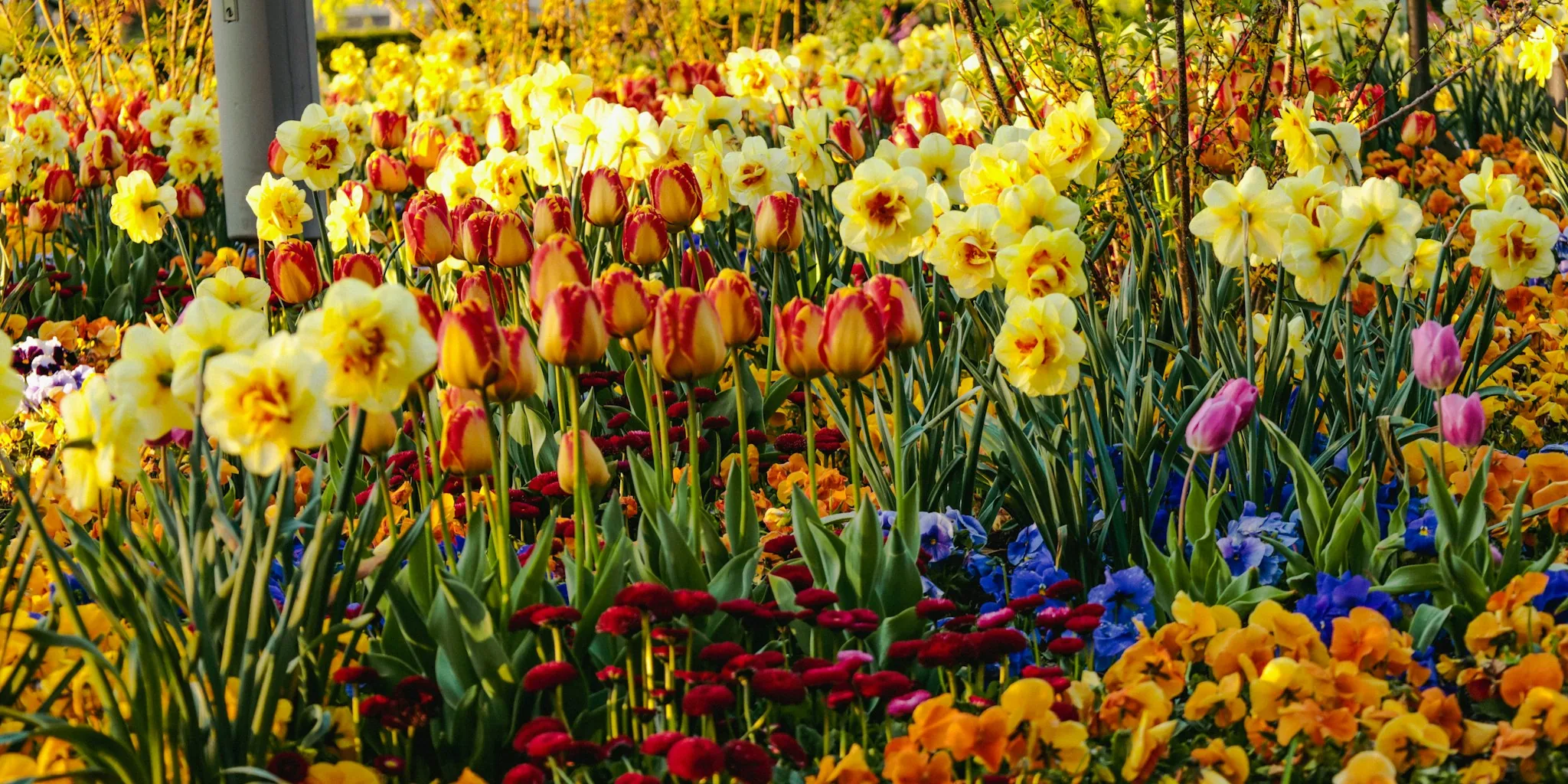

As summer heat fades and September arrives, most gardeners assume the growing season is winding down. But shoppers looking to extend their garden’s visual appeal have an excellent opportunity right now: fall-blooming bulbs that deliver stunning color in just a few short weeks instead of waiting until spring.
Unlike traditional spring bulbs that require months of cold soil dormancy, certain bulbs, corms, and tubers planted in early September exploit residual summer warmth to establish roots rapidly and produce flowers before winter. This means brilliant blooms can arrive in your garden by late September or October, providing not only visual interest but also critical nectar and pollen for native pollinators preparing for winter.
Why September Planting Matters
The key advantage of September planting is timing. These specialized fall-blooming varieties are adapted to warm, dry dormancy rather than cold, wet conditions. Getting them into the ground during early September while soil is still warm jumpstarts root development and triggers flowering within two to four weeks. This approach also supports local pollinator populations during their final foraging season before cold weather arrives.
The planting process itself is straightforward and takes just an afternoon. However, success depends on understanding a few critical requirements that differ from traditional bulb planting guidelines.
Essential Planting Conditions
Drainage is the single most important factor for fall-blooming bulbs. Heavy, waterlogged clay soil causes fleshy corms to rot before they can send up flower stems. Choose naturally well-draining locations such as sloped rock gardens, raised beds, or areas at the base of south-facing walls. If your native soil is dense clay, mix in coarse horticultural grit, perlite, or pumice to improve aeration and water movement.
Another critical detail: planting depth varies significantly from the traditional rule of three times the bulb’s height. Some varieties like Cyclamen hederifolium sit barely covered under an inch of soil, while others like Lycoris require their tips exposed to air and sunlight. Always check specific packet instructions before planting.
Wearing gloves during planting is wise, as some of these bulbs contain toxic compounds. Consider investing in a quality bulb planter tool for comfort and accuracy, especially if you have limited hand or wrist strength.
Six Fall Bloomers to Plant Now
Colchicum are perhaps the most eager of all fall bulbs. These corms are so enthusiastic they will sprout lilac goblets right on a kitchen shelf if left in their shipping bag too long. Plant them immediately upon arrival, three to four inches deep in rich, well-draining soil. They bloom within two to four weeks and produce elegant flowers that reach their full display when planted behind hostas or hardy geraniums.
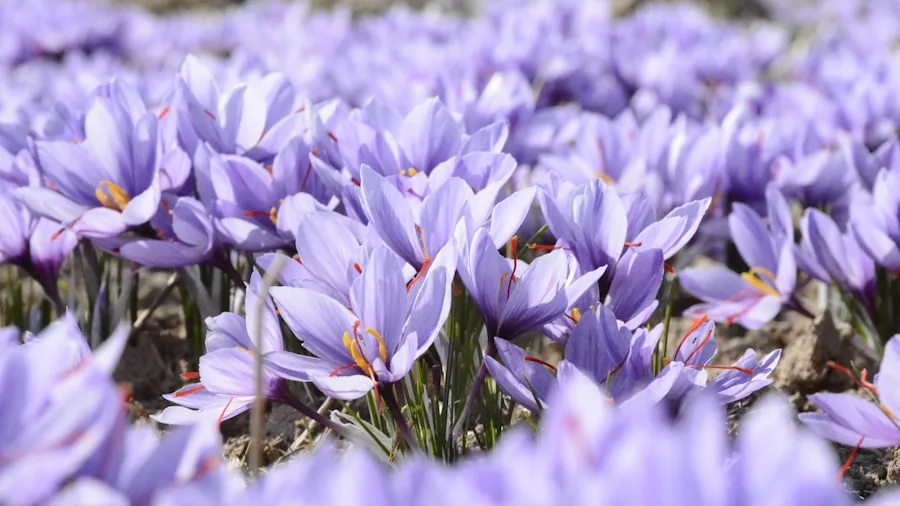
Saffron Crocus combines ornamental beauty with culinary value. These true crocuses produce delicate violet flowers with crimson stigmas that can be hand-harvested and dried to create the prized saffron spice. Drainage is absolutely critical. Plant three to four inches deep in terracotta containers or sunny, gritty borders. By mid-to-late October, flowers will emerge and healthy clumps will multiply steadily over subsequent years.
Autumn Daffodil (Sternbergia lutea) delivers cheerful, daffodil-like golden-yellow blooms in six-inch flowers. Native to Mediterranean hillsides, this bulb demands a gritty site and summer heat. Plant four to five inches deep at the base of a south-facing stone wall for best results. The dark green foliage persists through winter, providing garden texture long after other perennials fade.
Hardy Cyclamen thrrive in dry shade where many other bulbs fail, making them valuable for challenging garden spots. Plant the tubers only one inch deep with the concave side facing up, as these species root from the top rather than the base. Fresh tubers may produce primarily foliage during their first fall, but expect spectacular floral carpets by the second year. Covering newly planted tubers with hardware cloth for the first month deters rodents from digging them up.
Red Spider Lily produces tall, dramatic stems reaching twelve to eighteen inches, topped with coral-red flowers that open after the first soaking rain following hot weather. Proper planting depth is crucial: the long neck must sit at or slightly above soil surface. High-impact plants like this add instant designer-quality style to any autumn garden. Mark planting spots with stakes to avoid accidentally disturbing sleeping bulbs later.
Nerine produces stunning eighteen-inch stems with narrow, wavy-edged petals in vibrant pink. Blooming through October and into November, these flowers attract late-season butterflies and pollinators. Plant with the bulb top at or slightly above soil surface in the driest location available. In colder zones, grow them in terracotta pots that can be moved indoors for winter protection.
The urgency with fall bulbs is real: dormancy windows are narrow, and many varieties will begin sprouting if left sitting on shelves. Order early and plant immediately upon arrival. Consider timing fall bulb planting alongside September pruning tasks to maximize your garden transformation this season. The investment of a few hours now delivers weeks of color and pollinator support before winter arrives.




Write Your Review
No reviews yet. Be the first to share your experience!