
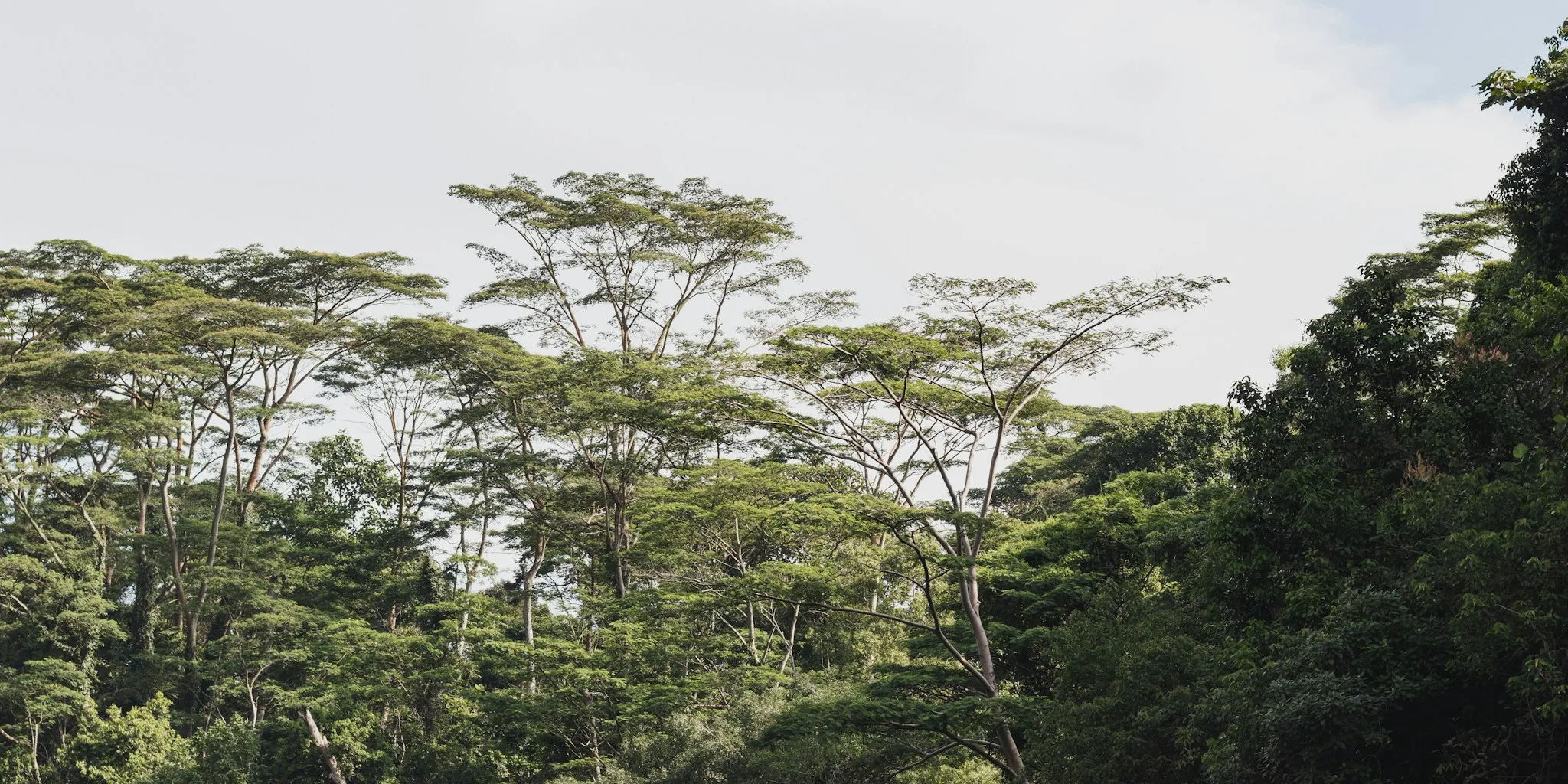

A Growing Supply of Environmentally Responsible Coffee
Coffee lovers in the United States and Europe now have access to a growing supply of coffee grown without driving deforestation in the Amazon. Over the past six years, nearly 400 farmers in Ecuador’s southern Amazonian region have adopted a forest-friendly production model that combines satellite monitoring, detailed record-keeping, and third-party verification. In 2025 alone, exports of this certified deforestation-free coffee surged to levels that matched the entire output from the previous three years combined, reaching 172.5 metric tons since the initiative launched in 2019.
This development matters to consumers because it signals that sustainable, traceable coffee is moving beyond small pilot programs and becoming a real market segment. The initiative now covers nearly 5,000 hectares of farmland, with over 1,200 hectares of natural forest actively preserved on participating farms. Unlike conventional agricultural expansion that clears forests to plant more crops, this model focuses on boosting productivity on land already under cultivation.
Meeting Strict New International Standards
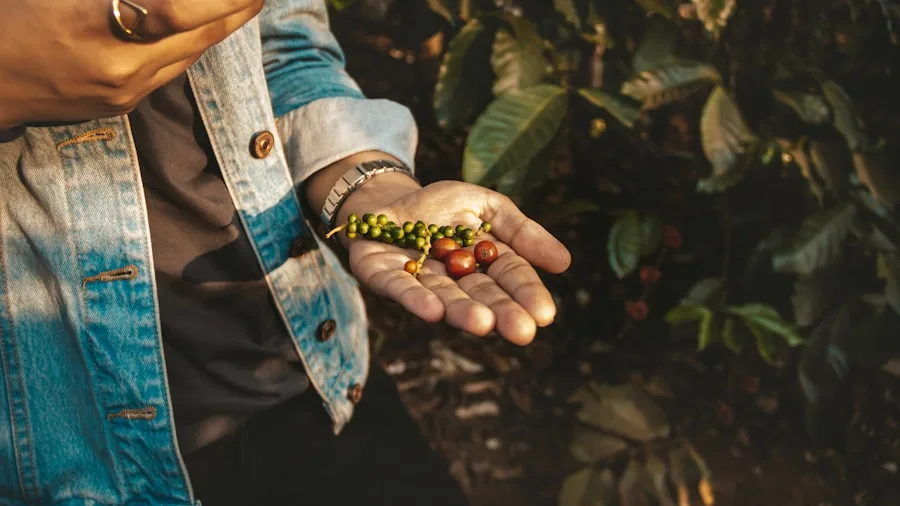
The timing is critical. The European Union Deforestation Regulation, known as EUDR, will prohibit products linked to forest clearing after 2020 from entering European markets. Coffee ranks among the commodities targeted by this sweeping law, which represents one of the most comprehensive efforts ever undertaken to prevent deforestation-driven trade. The deadline has been extended to December 2026 for large operators, with smaller producers gaining until mid-2027 to comply. Ecuador’s coffee growers have positioned themselves ahead of these requirements by implementing geospatial monitoring systems and producing detailed geographic proof that their coffee comes from non-deforested land.
For American shoppers, this means coffee imported to the United States from suppliers who also serve European markets will increasingly carry this type of environmental documentation. Several major European coffee brands, including Italian roaster Lavazza, are already incorporating Ecuadorian forest-friendly coffee into their supply chains, driving demand for traceable products.
Economic Benefits for Small Farmers
The model works because it improves farm economics for smallholder producers. Farmers participating in the program typically receive price premiums for deforestation-free certified coffee, offering more stable income and reduced vulnerability to market price swings. Between 2020 and 2024, more than 100 producers and technical staff completed workshops on international market standards and specialty coffee preparation, enhancing their ability to compete globally. By the end of 2025, the initiative had generated approximately $1.7 million in export value.
Participating farms integrate coffee with cacao, timber trees, fruit trees, and short-cycle crops in agroforestry systems. This diversified approach strengthens food security for farming families and reduces financial risk. One co-founder of a local producers’ association noted that the model allows her to tell customers, ‘I take care of the environment, I don’t cut down trees, and my coffee will be valued more highly.’ This storytelling carries weight with consumers increasingly interested in understanding where their coffee originates.
Better Farm Management Practices
Beyond environmental monitoring, the initiative has introduced stronger farm management systems. Farmers now maintain detailed field notebooks recording harvests, pruning schedules, production costs, and other operational data. This record-keeping enables year-to-year comparisons and reveals which practices deliver higher yields. Some participating farms have increased planting density from roughly 2,000 to 3,000 coffee plants per hectare while simultaneously improving fertilization and crop management techniques. Peer learning networks organized by local producers’ associations allow farmers to visit higher-yielding operations and adopt proven strategies.
What This Means for Coffee Consumers
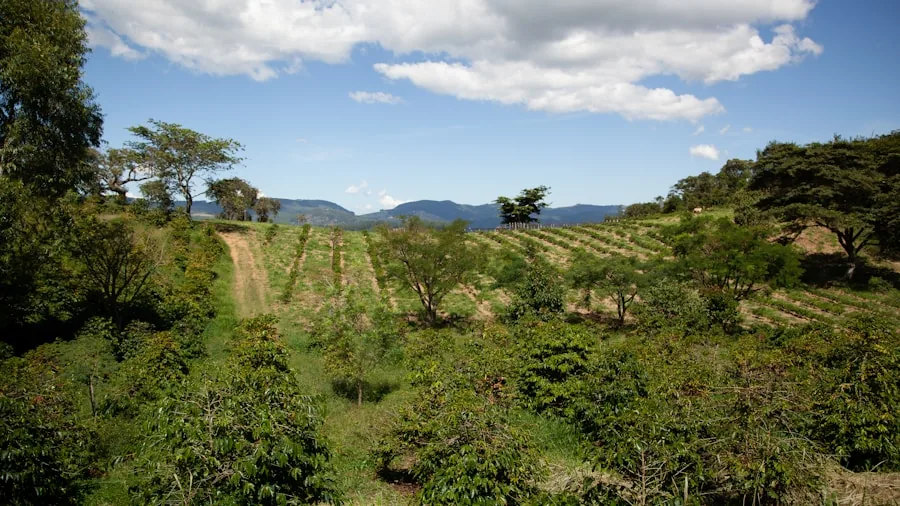
About 90 percent of coffee produced under this initiative reaches European markets, with France, Germany, and Italy among the leading destinations. However, as environmental regulations tighten globally and corporate sustainability commitments expand, more of this coffee will likely flow into North American supply chains. When shopping for the best ground coffees, consumers can increasingly ask roasters about traceability documentation and forest conservation practices on the label or company website.
The Ecuadorian government has launched a nationwide effort to georeference over 100,000 coffee and cacao producers across the country’s 24 provinces, helping farmers from both Amazonian and non-Amazonian regions meet EUDR traceability requirements. This broader registration effort will expand the supply of verified, forest-friendly coffee available to international buyers.
Scaling Challenges Remain
While results have been impressive, experts acknowledge that scaling deforestation-free production beyond pilot projects presents real challenges. Success requires sustained technical assistance, organizational support for smallholder associations, continued price incentives, and alignment with public policy. Conservation organizations and industry analysts emphasize that individual farm-level initiatives must combine with government support and market demand to achieve meaningful expansion across tropical agricultural regions.
The model developed in Ecuador has inspired similar efforts in Costa Rica and Colombia, and experiments with other climate-sensitive commodities such as cacao are underway. As environmental regulations tighten and consumer awareness grows, the economics of deforestation-free coffee will likely improve further, making sustainable sourcing an increasingly mainstream choice in the global marketplace.






Write Your Review
No reviews yet. Be the first to share your experience!