

Pet owners have long struggled with a fundamental challenge: cats are independent creatures that hide their problems well. By the time a busy owner notices behavioral changes, a small health issue may have already developed into something serious. Recent advances in smart pet technology are changing how cat owners monitor their animals’ daily habits and catch potential problems earlier.
The Challenge of Monitoring Indoor Cats
Cats sleep most of the day while their owners are home, making it surprisingly easy to miss subtle shifts in their routines. Unlike dogs, cats are skilled at concealing discomfort and distress. The litter box serves as one of the most reliable indicators of a cat’s wellbeing, offering clues about hydration, digestion, and overall health. Changes in frequency, appearance, or consistency of waste can signal developing issues.
The problem is that most owners scoop quickly and distractedly, at inconsistent times throughout the day. This makes it nearly impossible to build an accurate picture of a cat’s baseline habits or notice when something actually shifts. Was your cat using the box more often today, or did it just seem that way? Did the change happen yesterday or last week? Memory alone cannot reliably answer these questions.
Automated Monitoring Systems Now Available

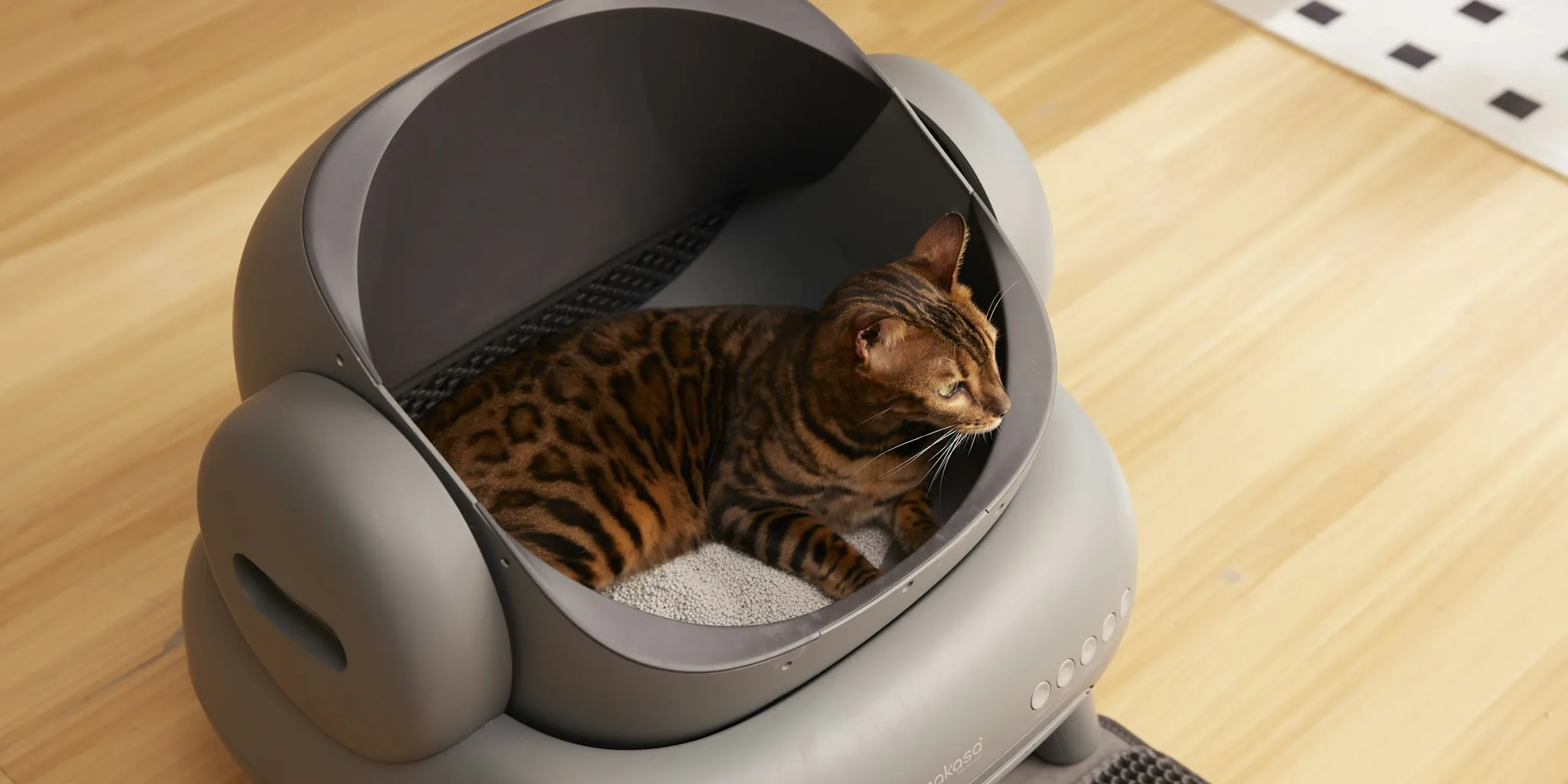
A new generation of interconnected pet devices is designed to solve this problem by automatically tracking your cat’s daily routines. Smart litter boxes automate scooping, waste packing and sealing, and litter refilling while simultaneously recording usage patterns. Instead of relying on memory, owners can review detailed records of when and how often their cat used the box.
Water consumption matters just as much as litter box activity. Some cats show strong preferences about how they drink, often favoring running water from a faucet over a stationary bowl. Smart water fountains equipped with sensors can be positioned throughout your home and tracked via app, encouraging better hydration while recording drinking patterns.
For families with multiple cats, feeding patterns become exponentially harder to track. One cat may graze constantly while another waits to finish the bowl after everyone else has eaten. Smart feeding systems now combine automated dispensing with AI-powered analysis to distinguish between individual cats and understand each one’s eating habits over time. This matters because sudden changes in appetite often precede other health problems.
The Power of Connected Systems
What makes these devices particularly valuable is their ability to work together as an integrated ecosystem. Rather than operating as isolated appliances, interconnected smart pet devices share information across litter boxes, feeders, water fountains, and other monitoring tools. Through IoT connectivity, this network collects comprehensive data about your cat’s daily routine, including bathroom habits, food intake, hydration, and activity patterns.
Advanced systems use artificial intelligence to analyze this collected data, looking for patterns and flagging changes that might warrant veterinary attention. A cat that suddenly drinks less or uses the litter box more frequently could indicate a urinary tract infection, thyroid problems, or diabetes. By catching these shifts early, owners and veterinarians can intervene before conditions become serious.
Manufacturers are also developing multi-cat recognition technology that uses behavioral data and machine learning to distinguish between individual cats in the same household. This allows owners to understand each cat’s unique patterns and identify which cat is experiencing a change in behavior.
What These Devices Cannot Do
It is critical to understand the limitations of smart pet technology. These systems are not diagnostic tools and cannot replace veterinary care. They cannot definitively identify illness or determine a cat’s health status. Instead, they function as an early warning system, helping owners notice changes worth discussing with their veterinarian.
The goal is not to automate away all interaction with your cat or remove personal involvement from their care. Rather, smart devices handle repetitive, time-consuming tasks like scooping and refilling litter, allowing owners to spend less time on chores and more time on observation and companionship. By automating the routine work, these systems free owners to actually notice when their cat’s behavior shifts.
Practical Benefits for Cat Owners
Keeping litter boxes and water sources fresh and appealing encourages better bathroom and hydration habits. Pet water fountains with app-based control can be repositioned around your home to suit your cat’s preferences and tracked remotely. Similarly, automated feeders paired with comfortable rest spaces help establish healthy routines while generating reliable usage data.
For multi-cat households especially, these connected systems address a real pain point. Parents with multiple felines finally gain visibility into which cat is eating enough, drinking adequately, and using the bathroom normally. This visibility translates directly into faster identification of health problems and more informed conversations with veterinarians.
Smart pet technology represents a meaningful shift in how owners can monitor their cats’ wellbeing. By transforming everyday routines into useful data and using AI to identify concerning changes, these systems act as a bridge between a cat’s naturally secretive behavior and an owner’s ability to provide timely care.





Write Your Review
No reviews yet. Be the first to share your experience!