

As summer lingers well into fall across much of the United States, many gardeners face a real challenge: scorching heat and sporadic rainfall are leaving once-vibrant garden beds wilted and lifeless. By early September, weeks of sustained heat combined with minimal moisture can transform thriving borders into exhausted, crispy landscapes. For shoppers looking to maintain beautiful outdoor spaces without constant watering and maintenance, there’s a smarter solution than running the hose daily.
Drought tolerant plants offer structured, vibrant color that naturally withstands dry spells without requiring excessive intervention. These resilient species often feature deep taproots that reach moisture far below the surface, or succulent leaves and silvery foliage designed to flourish even when rainfall is scarce. The real advantage for homeowners is that these plants can transform a heat-stressed garden into a lush display while saving time, water, and effort.
Why Now Is the Ideal Time to Plant
Early fall presents the perfect window for adding drought tolerant specimens to your yard. Soil temperatures remain warm, which allows young root systems to establish quickly before winter arrives. Planting now means these tough perennials will have a full growing season to settle in before facing next summer’s heat. This head start guarantees a wilt proof display that returns year after year to handle future droughts with grace.
Soil and Site Prep Matter More Than You Think
Success with drought tolerant plants depends far more on location and soil preparation than on species selection. These plants demand full sun, preferably at least 6 to 8 hours of direct light daily. They also require excellent drainage, which means avoiding heavy clay soils and overly rich amendments that encourage excessive leaf growth requiring more water.
If your yard has dense, water retentive clay, amend the top 6 to 8 inches of the planting bed with expanded shale, pumice, or coarse horticultural grit. These amendments naturally boost drainage and reduce soil compaction, supporting healthier root development. Skip high nitrogen fertilizers and heavy compost, which promote soft foliage that flops readily and demands more water.
Even drought tolerant plants need regular watering during establishment. For container grown specimens planted in warm soil, soak the root ball deeply every few days for the first three weeks, then gradually reduce watering as fall weather cools. A 2 inch layer of organic mulch can insulate roots and retain surface moisture while suppressing weeds.
Top Drought Tolerant Plants to Buy Now
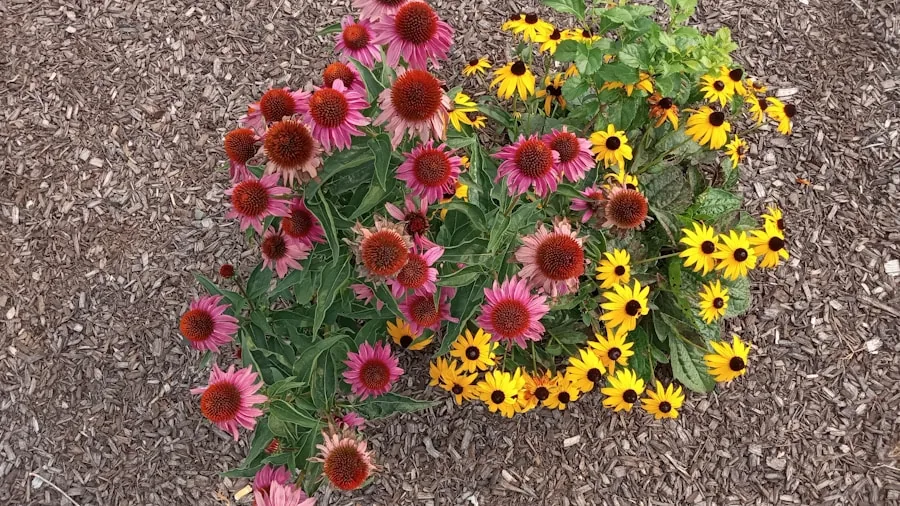
Coneflower is a widespread native perennial prized for large, daisy like flowers and minimal maintenance. Its extensive root system finds moisture deep in the soil, and once established it’s extremely drought resistant. Mature plants produce sturdy blooms with raised centers that attract late season butterflies and native bees. Choose a sunny spot with well draining soil, provide at least 6 hours of direct sun daily, and water only when there’s no rainfall.
Stonecrop (Sedum) is a large group of succulent perennials that store water in fleshy leaves, allowing survival in dry conditions. These hardy plants work in borders or containers and often change color as seasons progress. Select a full sun location with gritty, well drained soil. Water new plants to establish them, then leave them alone.
Russian sage is a drought tolerant perennial native to central Asia. Its fine, silver hairs reflect harsh light while tiny surface stomata minimize water loss. From midsummer to late October, it produces feathery clouds of lavender blooms. Plant in the driest, sunniest spot available and avoid heavy mulches that trap moisture and cause stem rot.
Blanket flower ranks among the most drought tolerant of all perennials, descended from native coastal and prairie wildflowers. It brings electric sunset hues and supports local pollinators. Plant in a sunny spot with well draining soil, and resist the urge to fertilize or overwater. These plants thrive in lean, sandy or gravelly soils.
Yarrow grows readily in poor conditions with flat topped umbels of frothy flowers that attract bees and butterflies. With deep roots and low soil requirements, it excels in sun baked beds. Give it full sun and well drained soil, water only during establishment, and avoid rich fertilizers that cause legginess.
Black eyed Susan is a great native choice for drought stressed landscapes. These plants light up borders with yellow rays around chocolate centers and possess deep roots and coarse foliage uniquely equipped to handle dry spells. Plant in full sun with well drained, even poor soil, and water only during establishment.
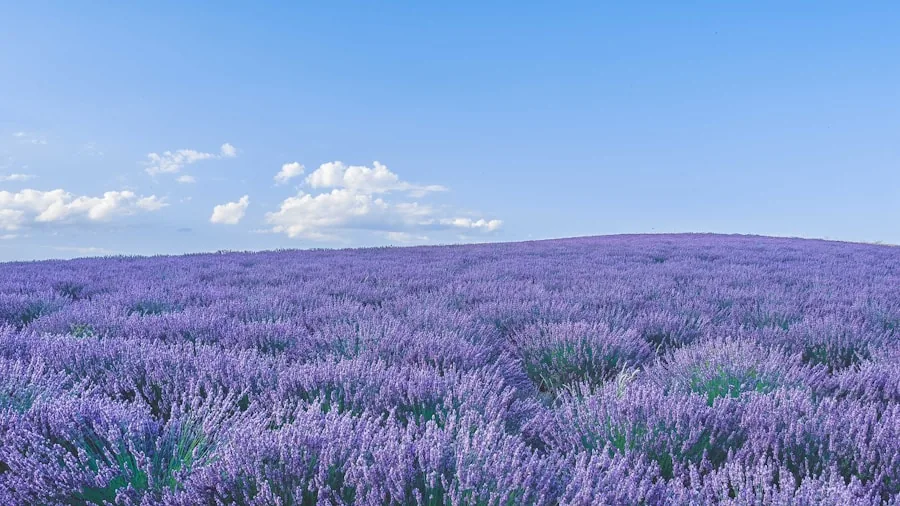
Lavender is native to the hot, dry Mediterranean. Delicate silvery foliage reflects intense sunlight while the woody frame keeps water loss minimal. Grow English lavender in full sun with at least 8 hours of daily direct light, elevated on a slope or raised bed. Mix coarse sand or crushed limestone into the planting hole to ensure rapid drainage, and use white gravel or pea shingle instead of organic mulch around the base.
When selecting garden pruners and other maintenance tools, look for quality implements that will help you deadhead spent blooms and prune these plants for maximum vigor. Investing in proper gardening gloves protects your hands while planting and tending your new drought tolerant specimens.
Beat the Heat Without Constant Watering
Late season drought doesn’t mean accepting a wilted, dying garden. By choosing plants adapted to dry conditions and placing them strategically in your yard, you can enjoy beautiful, varied beds well into fall and beyond. Plant now in the right locations with proper soil preparation, and these resilient perennials will reward you with masses of color for years to come.



Write Your Review
No reviews yet. Be the first to share your experience!