
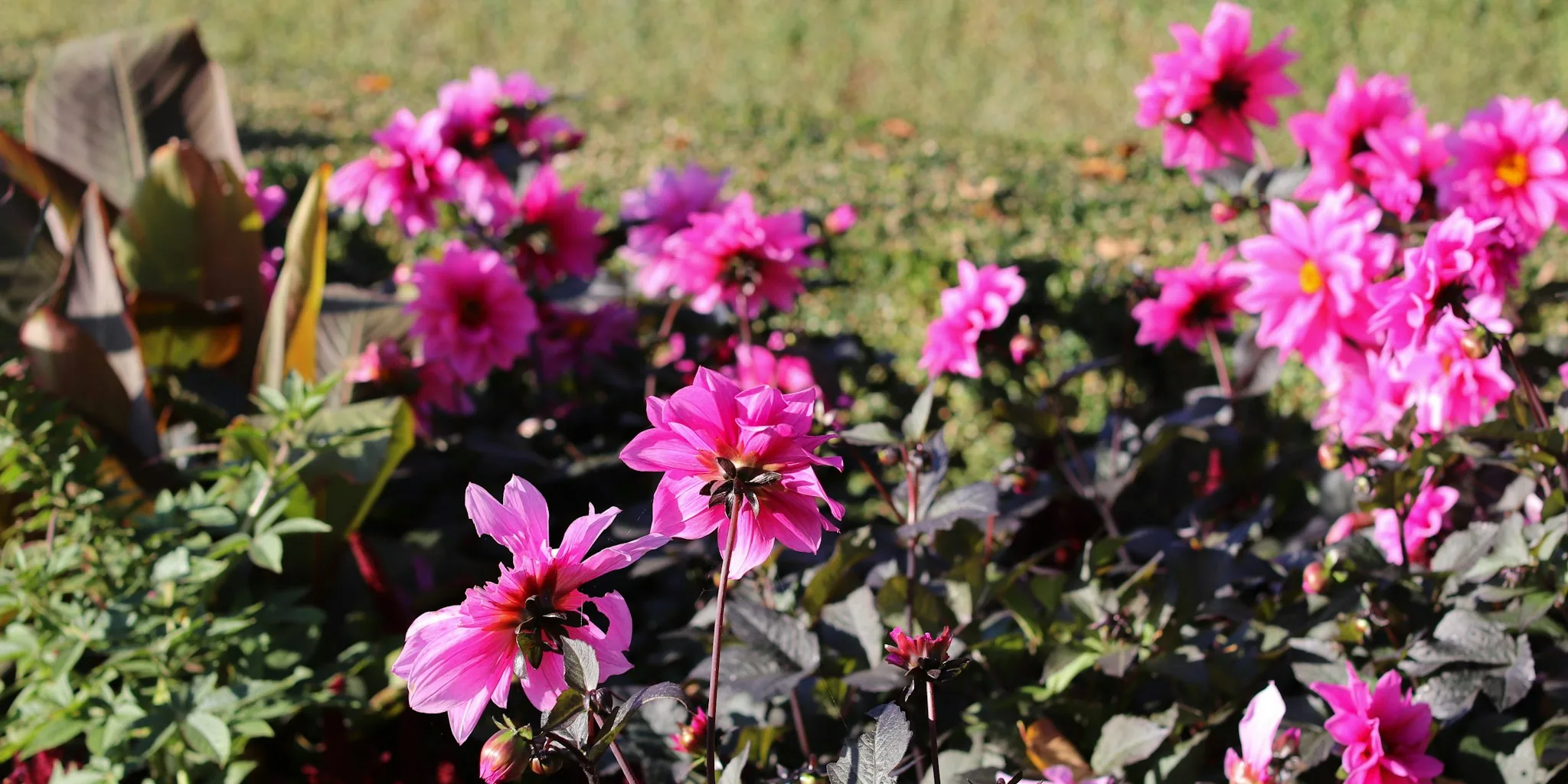

Whether you have been tending a backyard plot for years or just started exploring your green thumb, simple strategic changes can elevate your garden from ordinary to professionally polished. A seasoned gardener with two decades of hands-on experience recently distilled the most impactful design habits that actually deliver measurable results, offering shoppers practical strategies to maximize their plant investments and create landscapes that look intentional and cohesive.
Plant in Odd Numbers for Natural Appeal
One of the easiest wins involves rethinking how you purchase plants. Instead of buying two of a plant variety, buy three. Instead of four, select five. This approach leverages how our brains interpret spacing: even numbers read as overly organized and deliberate, while odd numbers feel spontaneous and naturally composed. When you shop for plants at your local nursery or garden center, this simple shift in mindset will change everything you select. Your borders will develop that effortless sophistication you see in magazine spreads, all from a minor tweak to your purchasing habits.
Repeat Key Plants Throughout Your Space

Rather than chasing every new specimen that catches your eye, choose three to five plants you genuinely love and use them repeatedly across your borders. This creates visual rhythm and makes amateur gardens look professionally designed instead of resembling impulse buys. Beyond aesthetics, this strategy is also kinder to your wallet. You avoid spending forty dollars on unfamiliar plants you might accidentally kill, and your budget stretches further. This approach transforms your garden into a cohesive composition rather than a scattered collection of random specimens.
Plant in Drifts Instead of Dots
Positioning plants in loose, mingling groups delivers far more visual impact than scattering the same number of plants individually across your beds. Allow them to touch and flow together naturally, creating the illusion of self-seeded drifts even though you spent time deliberately arranging them. Even ordinary plants gain presence and drama when massed this way. The effect mimics how plants establish themselves in nature, offering an authentic look that reads as sophisticated to any observer walking through your garden.
Edit Ruthlessly When Plants Underperform
This step requires courage and objectivity. If a plant is in the wrong color, wrong location, or simply not working despite your hopes, move it or remove it entirely. Gardeners often hold onto struggling specimens far too long, hoping they will improve next season. A gap in your border is not failure; it is an opportunity for something better. When you do remove plants, having the right tools matters, so quality equipment makes the work easier and faster.
Establish Evergreen Structure First
Before planting anything decorative, install your foundational plants: yew, boxwood, and other structural shrubs. Then plant everything else through and around them. This single upgrade makes the biggest visual difference to any border and is not just a professional landscaper trick. You gain year-round structure and avoid that depressing winter look of bare sticks and brown stems. Your garden maintains form and presence even when deciduous plants have dropped their leaves, creating visual interest in all seasons.
Allow Plants to Self-Seed for Natural Combinations
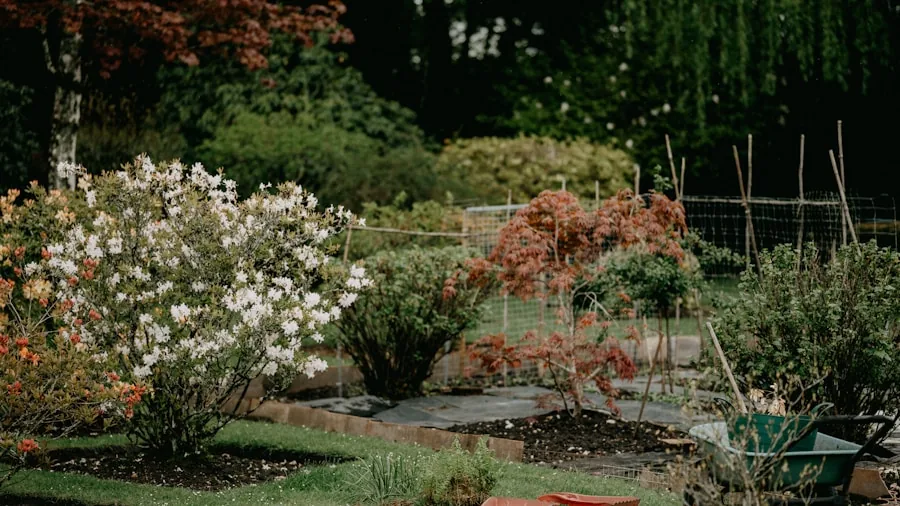
Stop deadheading every faded bloom immediately. Leave seedheads in place and let plants drop seeds where they choose. This laziest of all garden strategies often yields the most rewarding surprises. Self-seeding plants naturally find ideal locations you would never consciously select, like cracks in paving or the base of walls. Some of your most stunning plant combinations will happen entirely by accident through this approach. You can save money by skipping raised garden beds and other infrastructure when you let nature do some of the work.
Think in Layers for Visual Depth
Arrange plants by height: tall varieties in back, medium plants in the middle, and small specimens in front. This ensures every plant receives adequate light, every plant remains visible, and your border gains depth rather than looking flat. For island beds visible from all sides, place the tallest plants in the center and work outward. This layering principle works regardless of your garden geometry and instantly makes borders appear more mature and thoughtfully composed.
None of these strategies demands complicated techniques or expensive materials. Most cost nothing beyond your time and attention. Once you implement them, you will wonder how you ever gardened differently. The result is a garden that looks like you have been doing this for decades, even if you started this season. Incorporating these principles with thoughtful plant choices ensures your garden remains attractive year-round while staying within budget.






Write Your Review
No reviews yet. Be the first to share your experience!