


Every offseason, professional football players flood social media with glimpses of their training sessions, and this year fans and fitness enthusiasts have been captivated by the explosive athleticism on display. What many people don’t realize is that beneath all the viral clips and highlight-reel moments lies genuine, actionable fitness wisdom that translates directly to civilian workouts. We analyzed the most talked-about NFL training content to extract five practical lessons that can reshape how you approach your own fitness.
Move with Explosive Intent, Not Just Heavy Weight
One of the biggest takeaways from viral running back training videos is the emphasis on speed and power rather than pure load. Elite players demonstrate that explosive movement quality matters as much as the weight on the bar. When you lift, the goal isn’t always to go heavier: it’s to move whatever weight you’re using with maximum velocity and control.
A practical application is the quick-switch single-leg hip thrust. Start lying on your back with feet near your glutes, then explosively drive your hips upward while lifting one leg. Quickly alternate feet while maintaining hip position. Perform this for 30 seconds, rest for 60 seconds, and complete three sets. This drill trains your body for rapid directional changes while building glute power and balance, two pillars of athletic performance. Pair this explosive training with properly supportive workout shoes that provide stability during dynamic movements.
Strength Training Should Focus on Fundamental Movements
Professional receivers and linemen consistently return to basic exercises like dumbbell presses, bench presses, and deadlifts as the foundation of their strength work. The lesson here challenges the Instagram aesthetic: simple, unglamorous exercises build the most reliable strength gains. Specialized drills and complex movements have their place, but they shouldn’t replace fundamental compound lifts in your primary training block.
The reasoning from elite players is straightforward: master the basics with perfect form, then apply that strength to sport-specific or activity-specific work. This philosophy eliminates wasted effort on movements that look impressive but don’t translate to real-world performance. When you’re selecting workout apparel that allows full range of motion, you’re setting yourself up to execute these fundamental patterns with proper mechanics.
Don’t Neglect Multiplanar Movement and Lateral Strength
Many gym-goers default to forward-and-backward motions, missing the rotational and lateral demands that athletic performance requires. Professional athletes frequently include lateral lunges with dumbbells, landmine exercises, and side-to-side sliding movements. These exercises target the inner thigh muscles and obliques, groups that play an underrated role in sprinting and rapid direction changes.
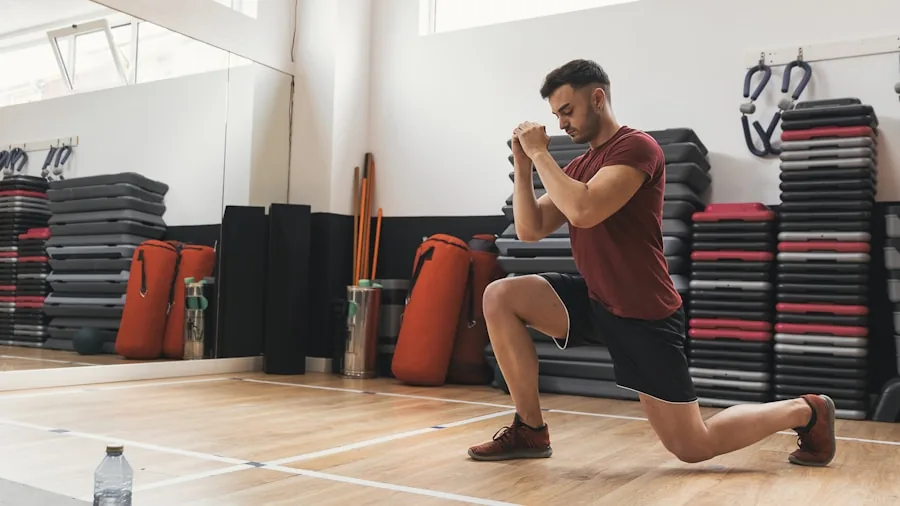
Incorporate lateral lunges holding a single dumbbell in goblet position for three sets of three to five reps. Add kneeling box jumps to build explosive power in a different plane of motion. This diversity in movement quality prevents imbalances and builds the kind of functional strength that transfers to daily life and recreational activities.
Planks Evolve Beyond Basic Endurance Holds
While standard planks remain valuable for core stability, professional athletes demonstrate that planks can serve as a dynamic platform for additional challenge. Once you can hold a plank with perfect form for 90 to 120 seconds, progress to plank variations rather than simply extending hold time. Medicine ball throws while in plank position, kettlebell slides across the ground, and shoulder taps all force your core to stabilize under dynamic stress.
Start with plank shoulder-taps, alternating taps from right hand to left shoulder and vice versa for 30 seconds per set across two to three total sets. This variation builds more meaningful core strength than extended static holds alone.
Single-Leg Jumping Builds Force Production for Real Performance
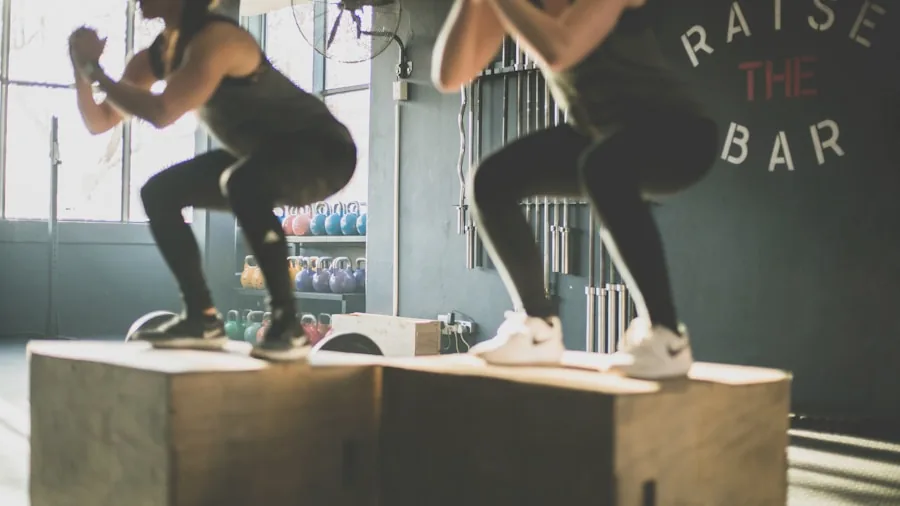
Single-leg jump variations teach your body to generate force efficiently, a cornerstone of athletic power. Start with a low box or step, place your left leg on the elevated surface with knee bent, then explosively jump upward, landing back in the starting position. Complete three sets of six to eight reps per side.
This movement pattern is scalable: begin with minimal height and progress as your strength improves. Unlike movements that only look impressive on camera, single-leg jumps directly translate to faster sprinting and higher jumping ability. Understanding muscle recovery after demanding jump training is equally important, as explosive power work generates significant fatigue.
The broader message from professional athletes’ offseason training is that sustainable, results-driven fitness doesn’t require exotic exercises or constant innovation. Instead, master explosive movement quality, return to proven fundamentals, work across multiple planes of motion, and challenge your stability in new ways. These principles, proven by the world’s most athletic humans, work just as effectively in your own workout program.






Write Your Review
No reviews yet. Be the first to share your experience!